




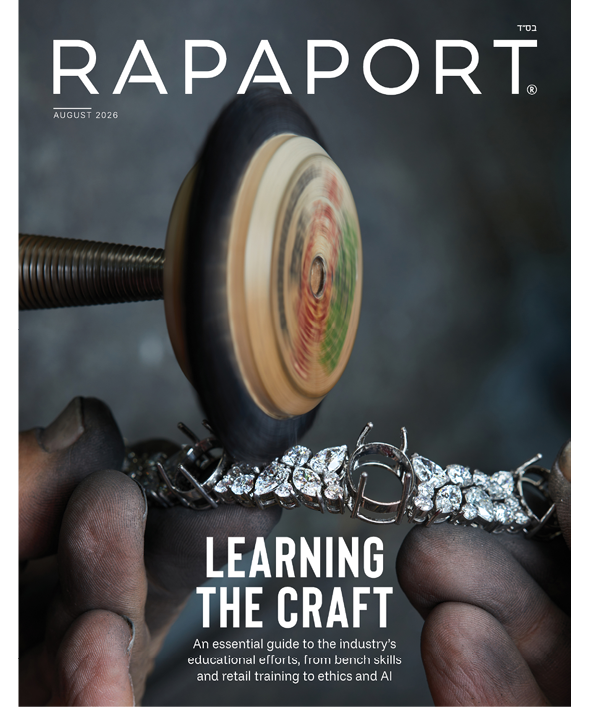

In-person experiences are just as important as formal training, if not more so.

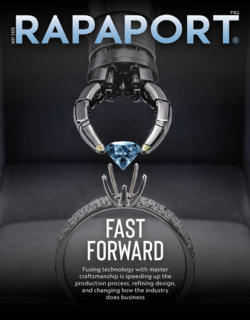
AI is changing how people work, but the knowledge that will drive the diamond trade cannot be downloaded or automated.
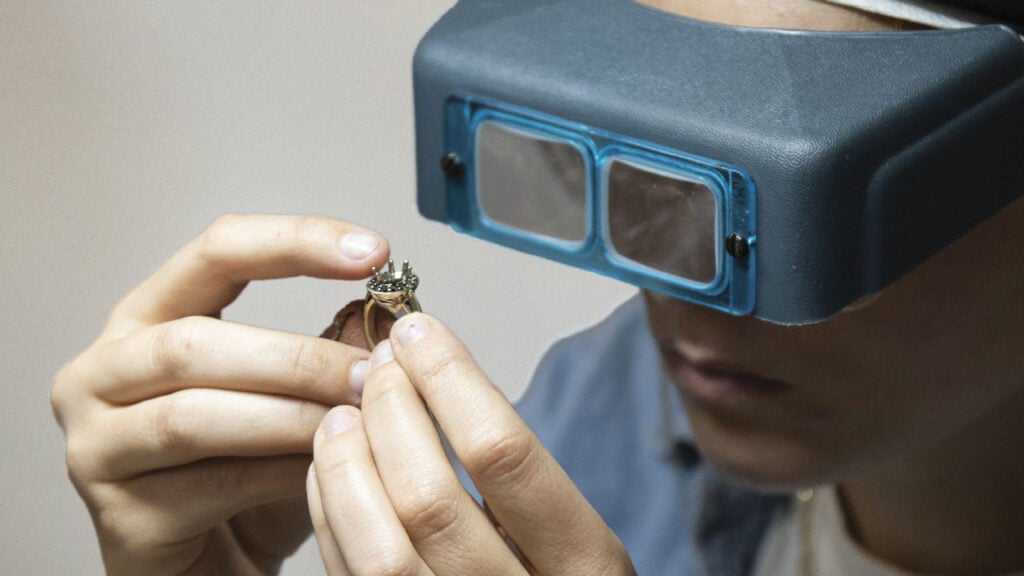
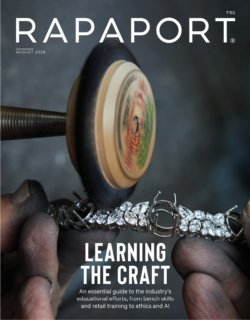
Where can entry-level artisans and sales associates get the knowledge and resources they need to succeed?
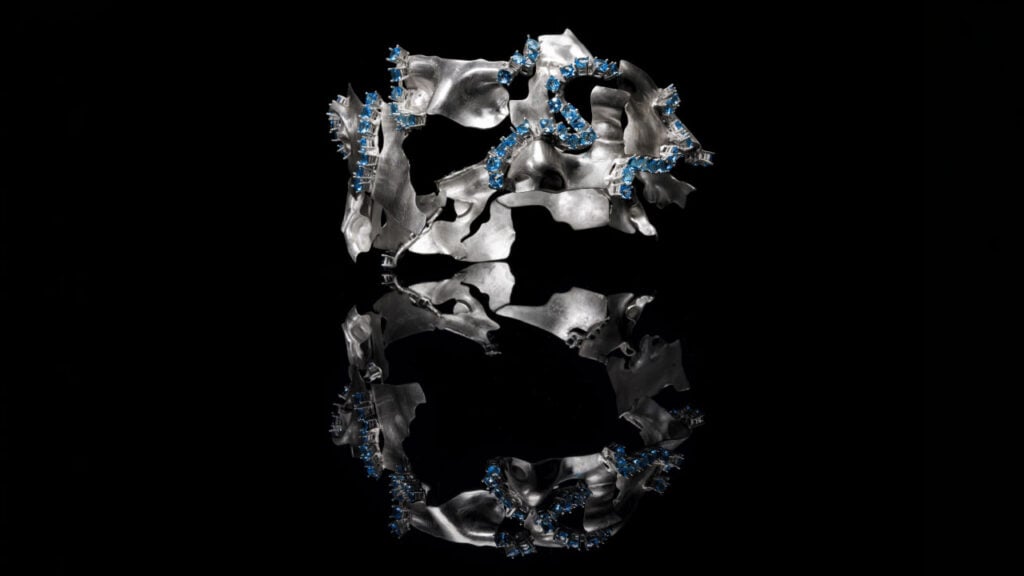
Jewelry educators are grappling with how to utilize this tool without cutting into students’ creativity.
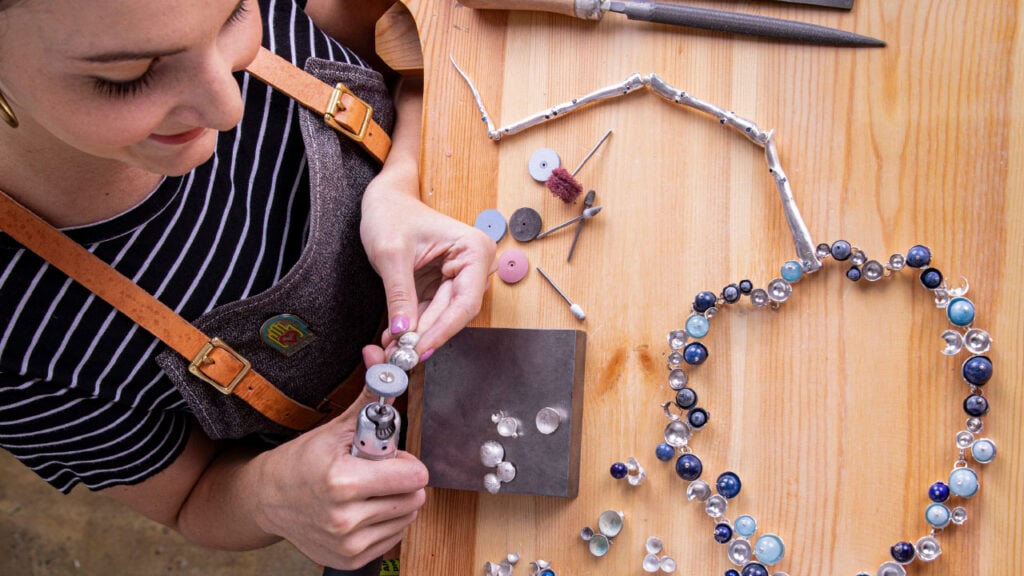
As skilled craftspeople retire or leave the profession, the industry needs to invest more in training their replacements.

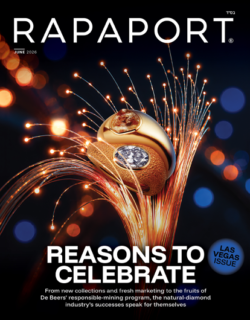
A guide to the initiatives and entities working to ensure a responsible industry.
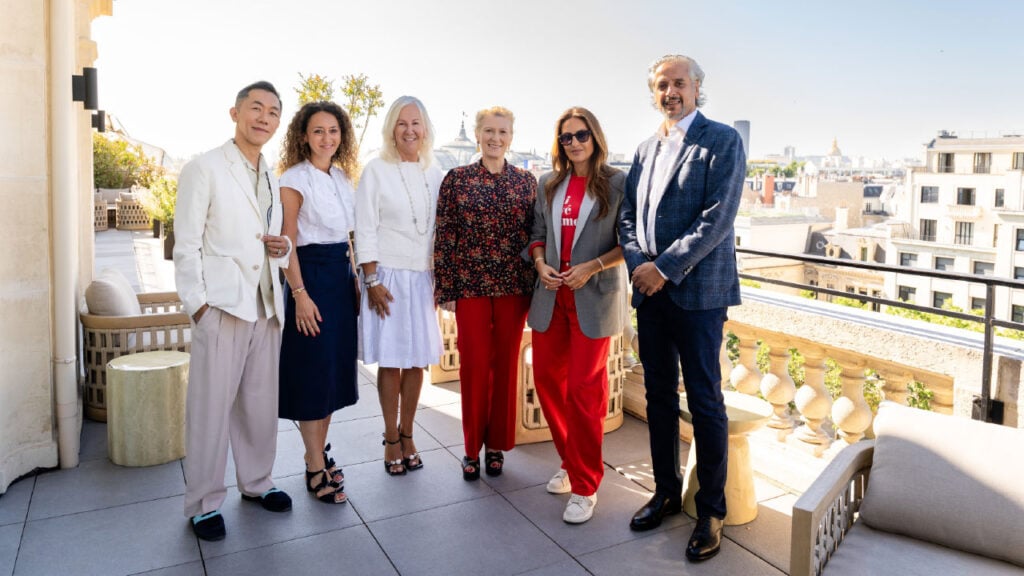
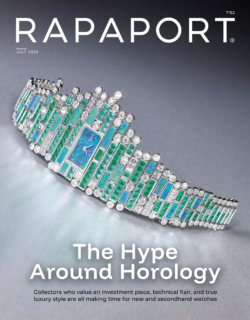
Collaboration, transparency and education are among the key focus points for sustainable business in the watch and jewelry world.

A recent session at The Jewelry Symposium brainstormed solutions to staffing challenges in the industry.
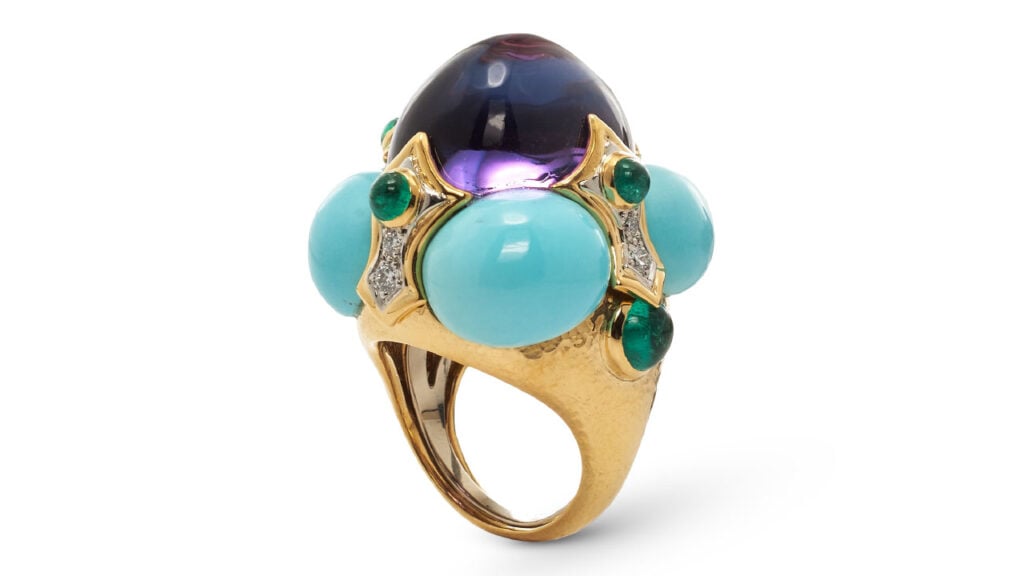
From his signature animal bracelets to his Art Deco-inspired sautoirs, the New York designer injected a burst of youth and boldness into the mid-20th-century jewelry scene.

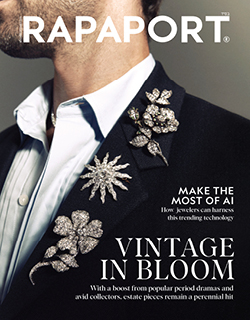
In the era of AI search results, companies that don’t answer the questions users are asking will be left behind.
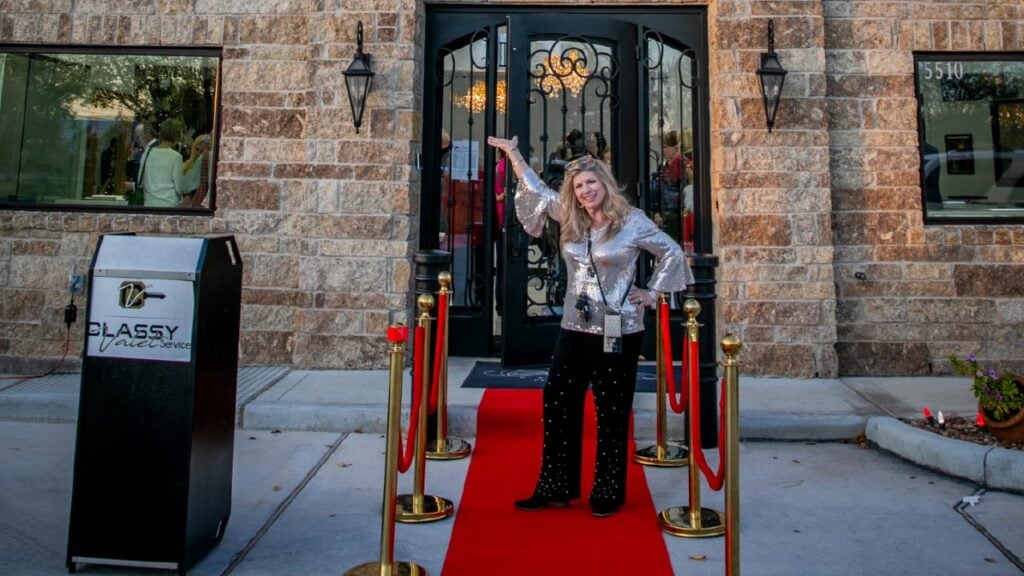
After 24 years in business, Amber Gustafson navigated permit headaches, a vanishing elevator contractor and an electricity shortfall before she could cut the ribbon on her flagship.
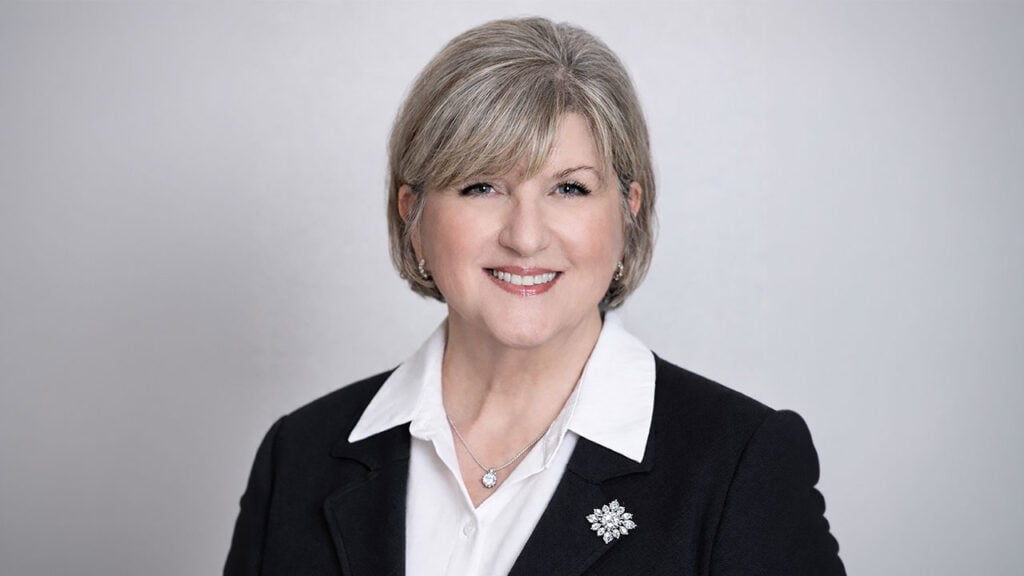
Charleen Pfaff of Edge Retail Academy uses her decades of experience in the industry to help store owners improve their performance.

From a snapshot to a lock of hair, or even the portrait of a loved one’s eye, these necklaces contain multitudes.
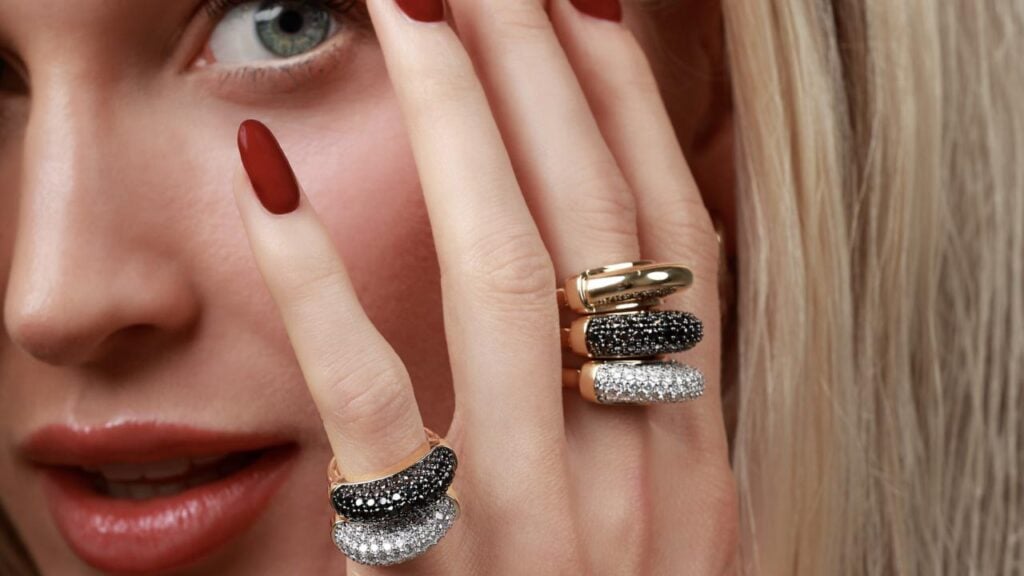
Designer Rosanna Fiedler combines gold and silver with hard stones and diamonds in her her stackable pieces.
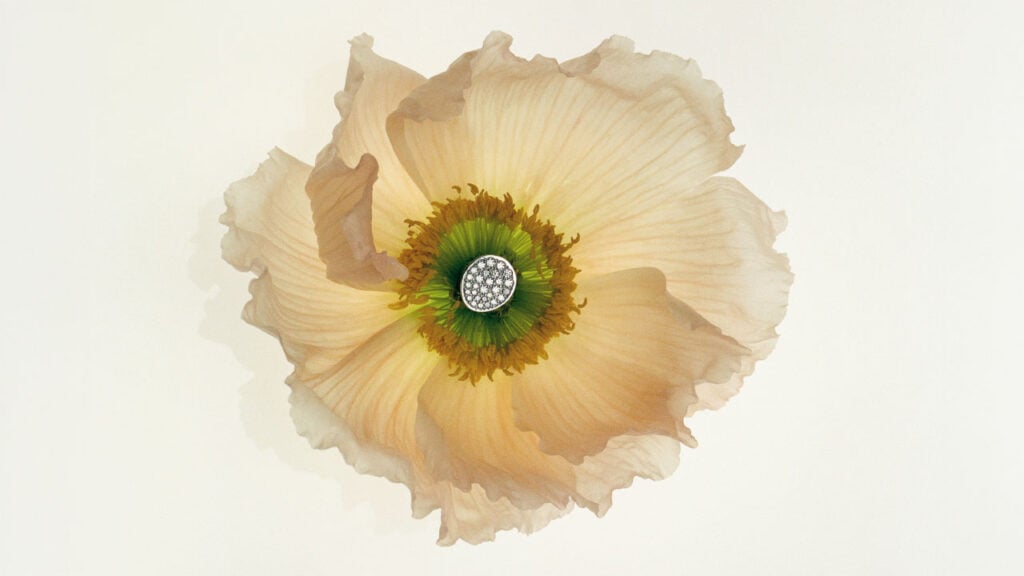
With topics including Ukrainian talent, exceptional watches, and the work of Elizabeth Gage, this crop of literary releases is bound to impress.
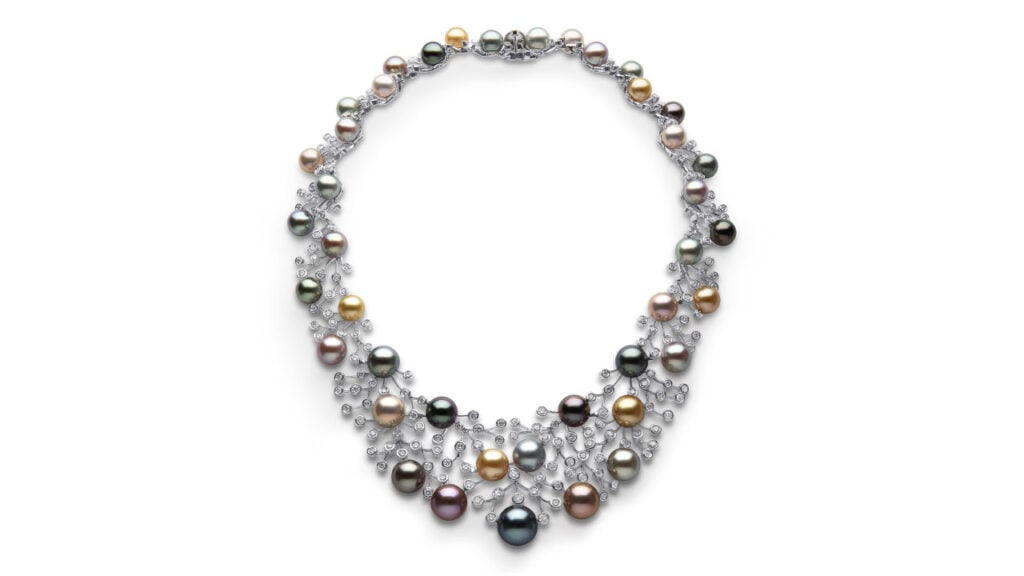
In her new book, the gemologist delves into this lustrous gem’s contemporary relevance, its versatility, and the myths that surround it.
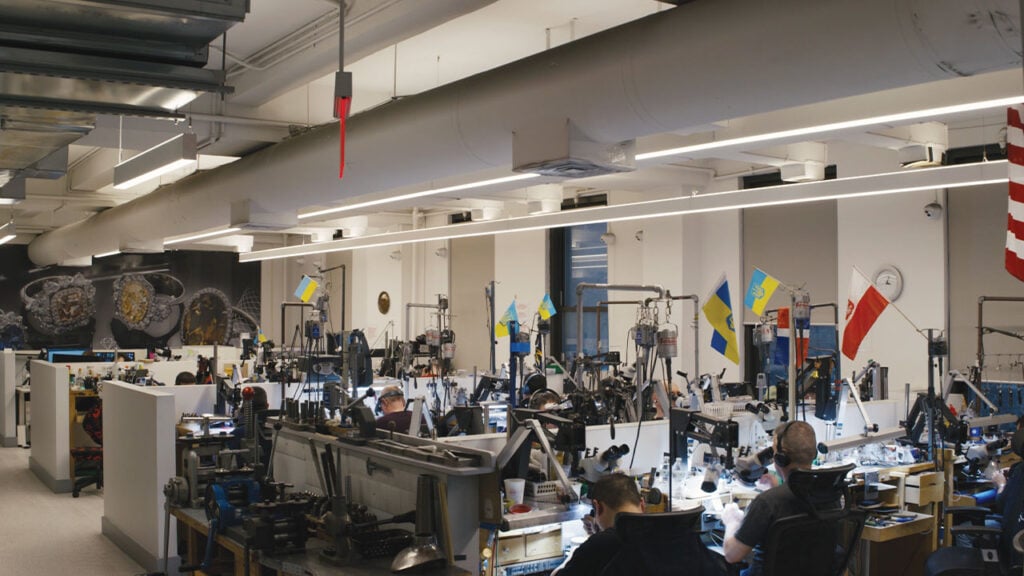
This family-owned New York jeweler gives clients a level of service few others on 47th Street can match.
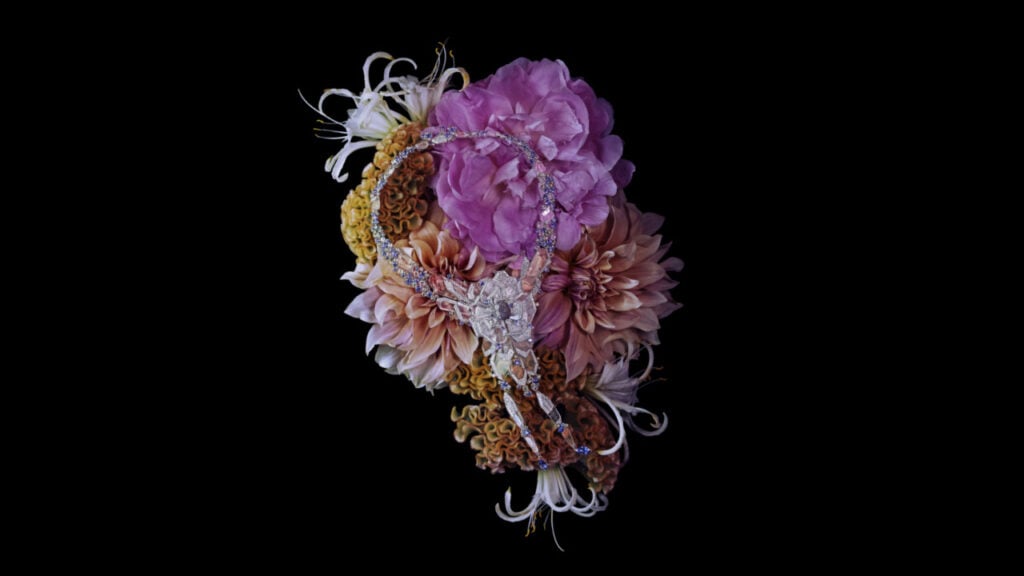
From alexandrite to sapphire, these rare stones are finding a place in one-of-a-kind jewelry.
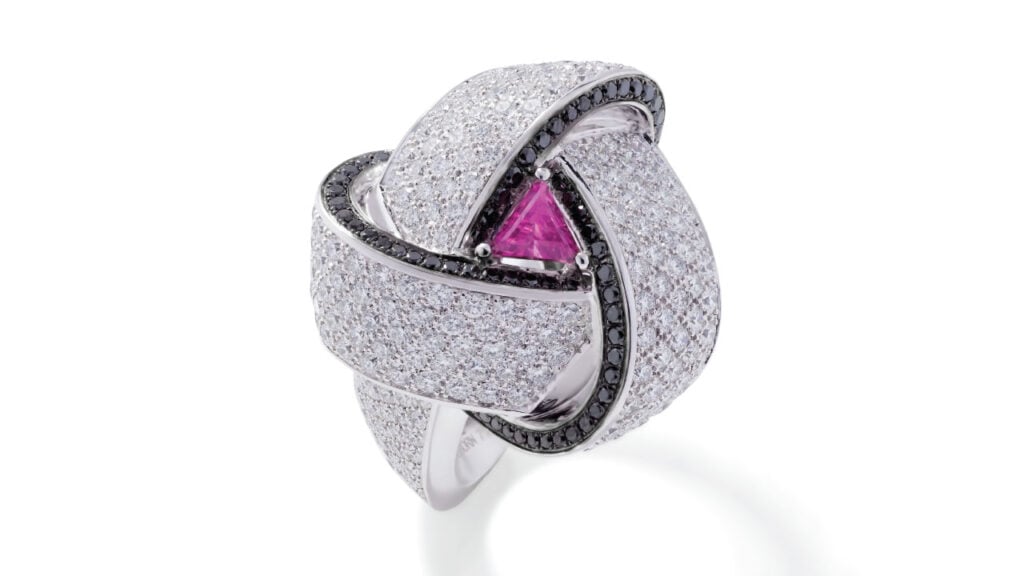
The Asian country offers a rare combination of skilled craftspeople, access to gems, and international appeal.
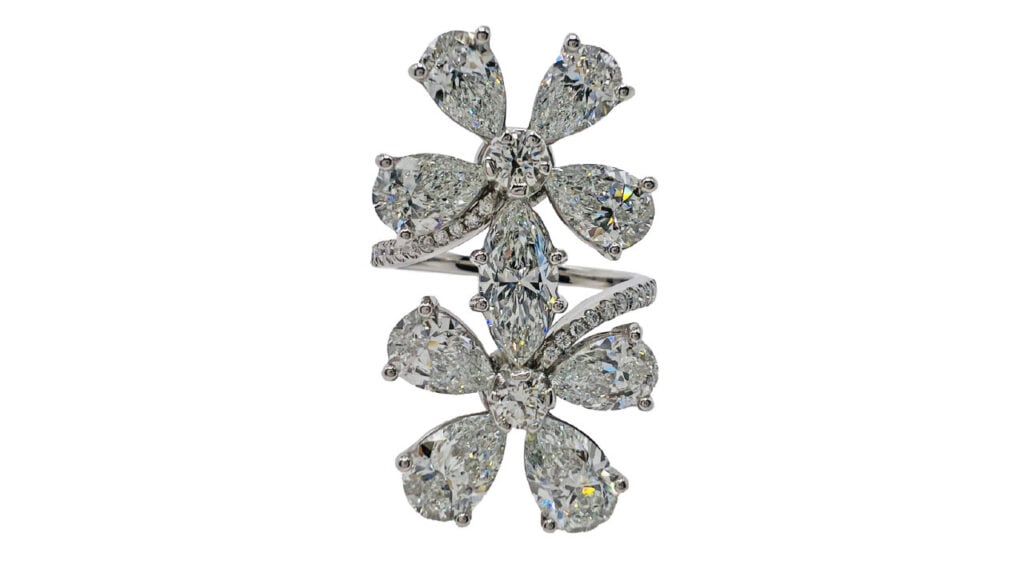
With custom jewelry on the rise, the Calibrated Ordering Platform helps retailers and manufacturers get the stones they need.
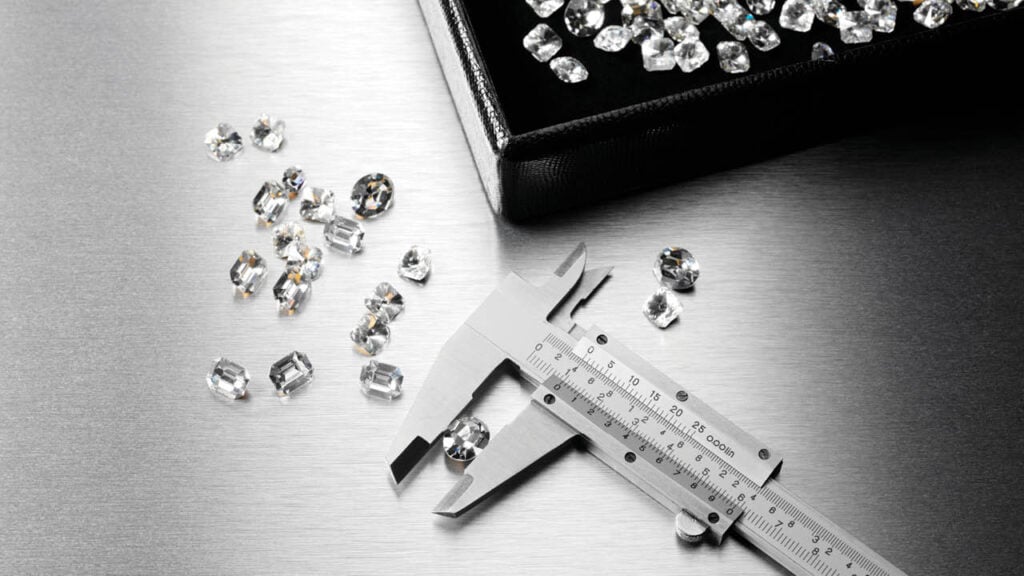
Dive into the proprietary diamond data shaping the industry’s business decisions.