



Charleen Pfaff has been in the jewelry industry for the last 45 years. It runs in the family: Her father, husband and oldest son are watchmakers, and her daughter works for timepiece brand Omega.
“That experience is what really helps me along with my clients,” says Pfaff, who joined jewelry-focused business-coaching firm Edge Retail Academy nine years ago. “I know the front of the house and the back of the house, and I feel really fortunate to have found myself in a consulting position because of that experience.”
When she was interviewing for the coaching job at Edge, she recalls saying, “Wait a minute, I can take 40 years of experience and help people have better businesses?” When the interviewer said yes, Pfaff didn’t hesitate: “Where do I sign?”
The first step of her coaching process is getting clarity, and she does this by analyzing the client’s data, looking at key performance indicators such as profit margin, gross profit dollars, and stock levels. From there, the relationship becomes collaborative as she uses the data to create a customized strategy with her clients.
“My approach is always very friendly and hands-on and results-oriented, because that’s what they’re looking for,” she says. “They come to us for a change, and that’s what we do for them.”
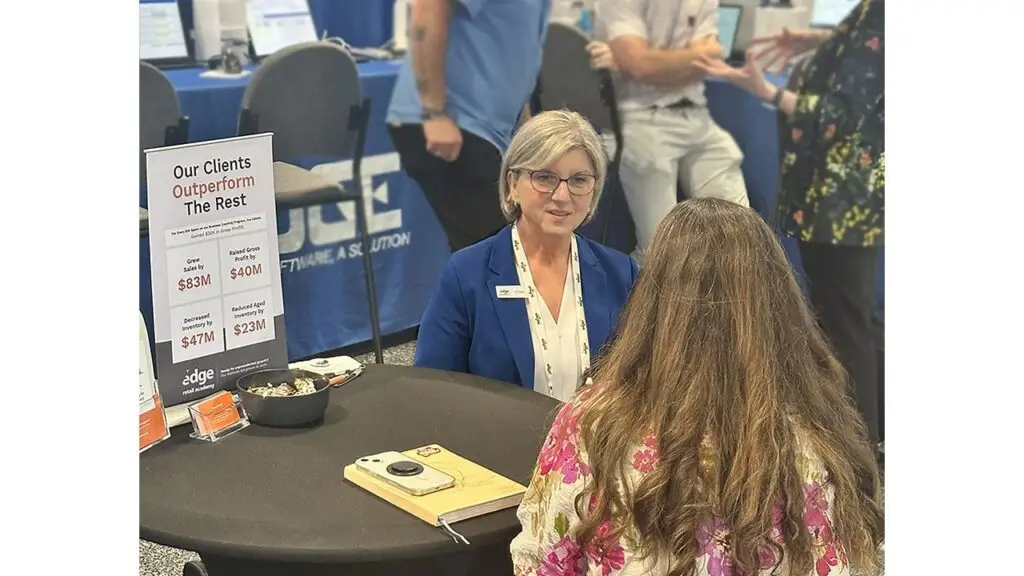
Pfaff describes her coaching style as data driven, honest and supportive. She tells her clients the truth, with love, whether they want to hear it or not. When people feel challenged and supported at the same time, she explains, it creates a safety zone that enables them to change.
The retailers that see growth are the ones who come to Edge with an honest desire to learn, she says, while those that stay stuck tend to live in the past – a trait she’s noticed especially in multigenerational businesses.
Another thing that can keep retailers from growing is their approach to inventory. The problem, Pfaff has found, is when store owners “don’t look at [their inventory] as an investment, [even though] it is the largest investment they’re going to have. They look at it as, ‘Oh, it’s pretty jewelry,’ and they get very involved emotionally with it and think everybody should love it. So they let their emotions drive their business.”
Pfaff believes every jeweler should make it a weekly habit to look over their business records and monitor their performance indicators. Doing this “creates awareness about their business and gives them accountability and the ability to change course if they need,” she says.
Main image: Charleen Pfaff. (Edge Retail Academy)