

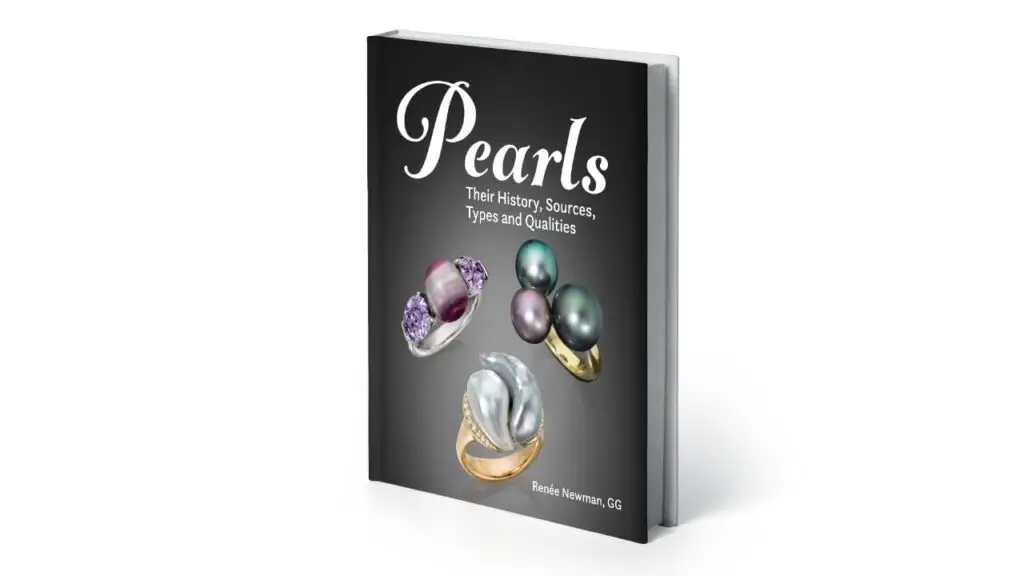
Best known for her practical and accessible books on diamonds, gemstones and jewelry, gemologist Renée Newman has spent decades helping readers make informed buying decisions. Her latest title, Pearls: Their History, Sources, Types and Qualities, published by Firefly Books, is a comprehensive exploration of one of the jewelry world’s most storied gems.
In your view, what has remained emotionally constant about pearls despite changing fashions?
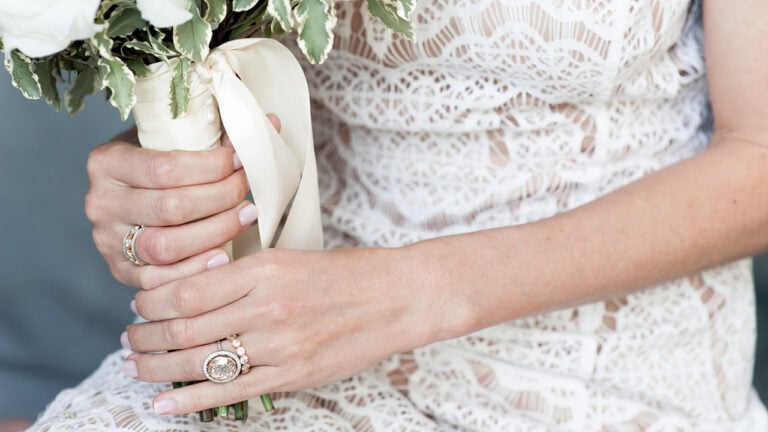
Pearls have remained a symbol of purity and natural beauty because they don’t require polishing or faceting to look attractive. They continue to be a popular wedding jewel – a tradition that dates back hundreds of years to when, according to legend, the Hindu god Krishna retrieved a pearl from the sea to adorn his daughter on her wedding day.
Pearls occupy a fascinating space between gemology and symbolism. Do you think contemporary audiences are redefining what pearls represent today?
I think contemporary audiences and jewelry designers are expanding what pearls represent and how they are worn. In the 1900s, white akoya pearl necklaces were featured on women models and seen on queens and first ladies. Today, pearls of all types have become a hot fashion item, even for men. Joc Pederson of the Atlanta Braves baseball team made headlines when he wore a cultured-pearl necklace while playing in the 2021 World Series.
Custom jewelry designer Cynthia Renée has developed a system that uses cultured-pearl studs as the foundation for interchangeable jewelry. Multiple looks can be created with earrings that have a removable post and a drop adapter so the pearls can either be worn as studs or drops, like her amethyst and cultured-pearl earrings.
Many gemstones are prized for perfection, yet some of the most compelling pearls are irregular, baroque, or subtly imperfect. Why do you think pearls allow for a different conversation around beauty and value?
It’s true that some of the most compelling and distinctive pearls are irregular and baroque, like a few of the pearls from Kojima Pearl. They are therefore in high demand by jewelry designers who want to create one-of-a-kind jewelry. However, the pearls that have obtained the highest auction prices have been natural and either round or very symmetrical, with a good surface quality and luster. That’s because rarity is important to pearl connoisseurs, and it’s difficult to find lustrous, large, round, blemish-free natural pearls. Baroque freshwater pearls became very popular after large quantities of cultured round freshwater and saltwater pearls were introduced to the market, causing their prices to drop significantly.
A similar situation has occurred with diamonds. Prices of high-clarity, D- to F-color, round manmade diamonds have plummeted because they have flooded the market. Synthetic diamonds are no longer prized for perfection, because they are common. High-quality diamonds, however, still command high prices, because they are rare and from nature.
You devote attention not only to classic pearl varieties, but also to lesser-known types from conch, melo, abalone and nautilus sources. Was there a particular type of pearl that surprised or fascinated you most while researching the book?
I was surprised to see the purple- and white-striped natural pearl in Assael’s Spiny Oyster Pearl and Spinel ring, because I had never seen one like it before. Pearl sellers call it a spiny oyster pearl, but it is not from an oyster. It’s from the same superfamily as a scallop – Pectinoidea. Biologists identify it as a Spondylus calcifer pearl.
After decades of writing educational gem books, what do you think consumers – and even jewelry professionals – still misunderstand most about pearls?
One of the most misunderstood things about pearls is the way in which natural whole pearls form. They do not form as a defense or protective mechanism against a foreign irritant such as a parasite or grain of sand that becomes lodged inside its mantle. Pearl researchers have sliced open hundreds of natural pearls and examined millions of radiographs under magnification and have not found irritants inside of them. Natural whole pearls form as result of an injury to the mantle tissue of a mollusk, caused by a marine invader. Epithelium cells from the upper mantle layer are then transferred into the connective tissue of the mantle and form a pearl sac in which a pearl will grow. Chapter 2 in my Pearls book goes into more detail about pearl formation and includes photos and diagrams explaining it.
Do you think pearls are underestimated in the wider luxury conversation compared with diamonds and colored gemstones, or are we entering a true pearl renaissance?
Pearls are only underestimated by people who have not been exposed to luxury pearls. Historically, pearls were worn by royalty and very wealthy people. Pliny the Elder said in his Historia Naturalis Book IX that “the topmost rank of all things of price is held by pearls.”
The introduction of low-priced Chinese cultured pearls to the market lowered the public perception of pearls as a luxury product while allowing everyone to have the pleasure of wearing them. Record auction prices and high-end designer jewelry have reemphasized pearls’ importance in luxury jewelry.
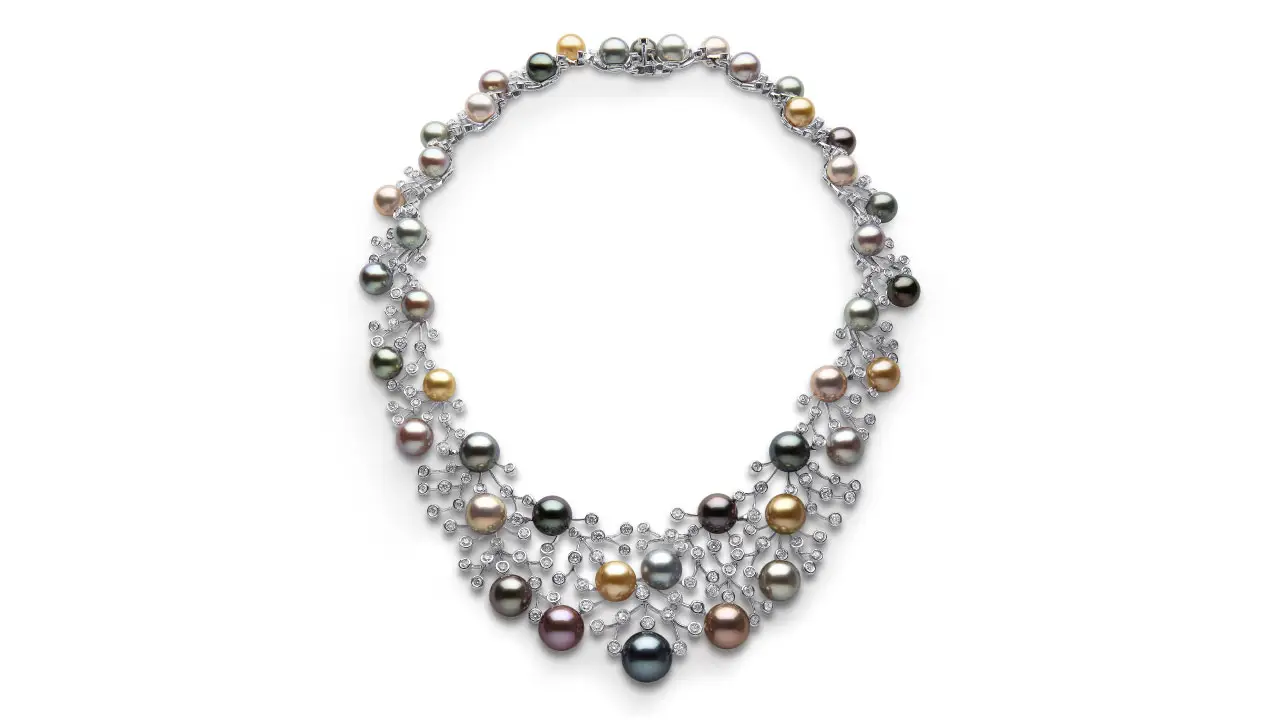
Main image: Necklace with diamonds and South Sea, Tahitian and Chinese freshwater cultured pearls. (Yoko London)