

Gen Z consumers are searching for more authenticity in their lives. When it comes to material items, they don’t want to know what something is, they want to know what it represents and why they should care. Embracing old-school flip phones, vinyl records and vintage clothes is only half the story. They want real emotion, real relationships, and things that speak to their individuality, culture and interests.
Unfortunately, diamond and jewelry marketing has yet to catch on. While previous ads worked well for a long time, they no longer hit the right notes, and instead of recalibrating, the industry seems intent on rehashing the same old angle, just with a newer, prettier bow on it.
“The luxury industry in general has become an incredible marketing machine, but in [doing so, it loses] some of what’s really palpable about the brand,” says consultant Marie Driscoll, a National Retail Federation (NRF) Top 50 Voice of Retail recipient. The industry is “no longer creating desire…they’ve touched that nerve too many times.”
By all rights, Gen Z’s natural inclination toward authenticity should present the ultimate opportunity for the trade to make its case for natural diamonds, argues Pam Danziger, founder of luxury consulting firm Unity Marketing. So why isn’t it working?
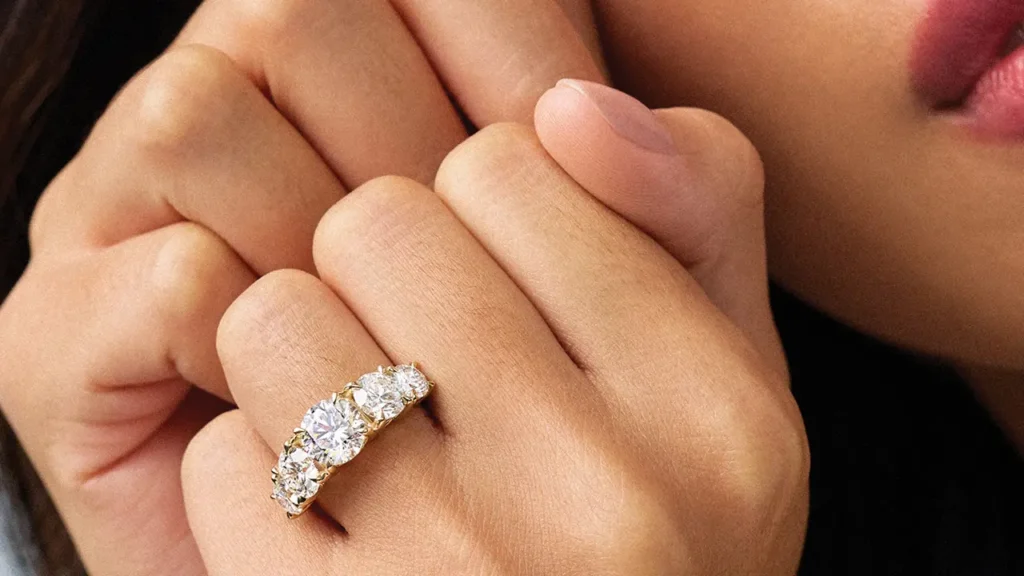
Missing the meaning
Tara Nolan, founder of luxury consultancy group Contre Courant, believes it’s less about the diamond industry having an advertising problem, and more about it having a meaning problem.
“The fact that you can’t advertise your way out of a meaning problem is kind of the crux of where a lot of this rub and tension is,” she explains. “It’s not about lab-grown versus natural, it’s about the essence of what it means to feel recognized by an item, but only if that item is actually resonating with them. For instance, I have a Tiffany & Co. watch my mom gave me, and it was her push present to herself when she had me. It doesn’t matter that it’s Tiffany, or how much it’s worth; it’s about the meaning, and I find so much more appreciation for a gift like this than had she gone out and bought me a $40,000 watch from Cartier.”
Consultant Robert Passikoff takes this a step further. “Luxury has learned to attach itself to identity and aspirations, and to a lesser degree to achievement, belonging and self-expression,” says the founder and president of luxury branding and research company Brand Keys. “Diamonds still disproportionately attach to relationship status. Customers don’t necessarily need another jewelry product; they need a reason to care about diamonds.”
It used to be that the “acid test” for whether an ad was authentic to a brand was to take the brand’s name off it and substitute any other brand name, he says; if you couldn’t tell the difference, there was a problem. Even having a Tiffany ad in robin’s-egg blue isn’t enough; it has to say something about the brand’s identity and how the jewelry connects to the person who will be wearing it.
Beyond meaning, however, there is a need for imagination and inspiration, says Driscoll. “Diamond marketing is stale. It’s no longer engaging. Even a delicious hot fudge sundae is boring if you have one every night. They’ve lost their innovation and creativity. It’s interesting how they seem afraid to change something that worked for a long time, even though it’s no longer working. Marketing has to be relevant to culture and changes, and what works in 2026 may not work in 2027. What worked in 1950 and 1960 is no longer working. You had an incredible run, and the fact that something lasted that long is amazing, but now you have to try something new.”

The right angle
The experts are quick to point out that there are some diamond and jewelry companies hitting the right notes.
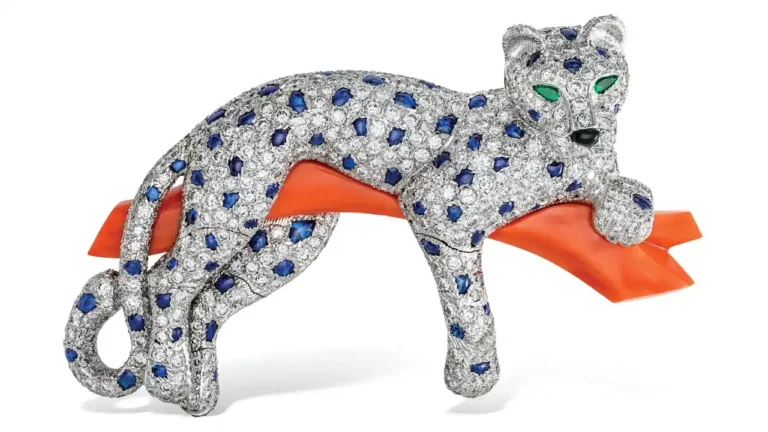
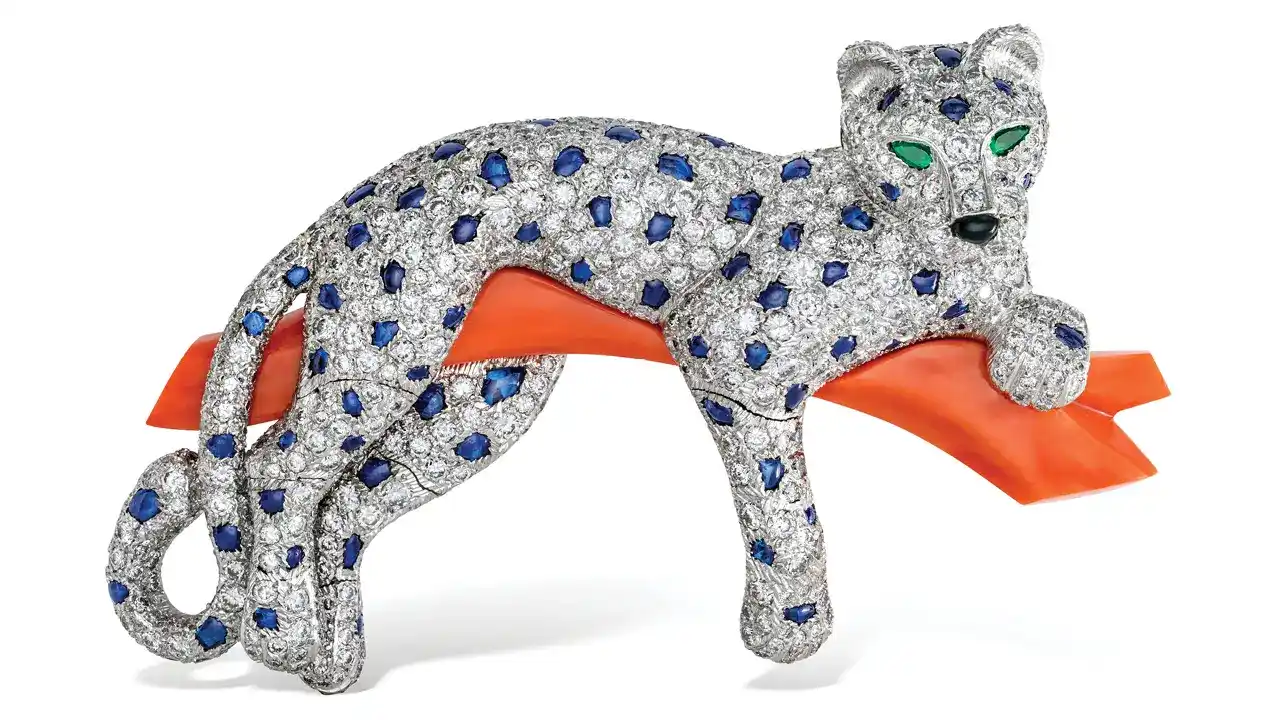
“Cartier has a very specific look, and the use of their panther is iconic,” says Nolan. “I passed by a billboard in Paris, and it just had their name and the panther, and it’s not trying to be anything it isn’t. It’s just there, and you’re looking at it, and it’s just another impression. They’re not trying too hard.”
Cartier is low-key in other ways, continues Nolan. She references a secret party the maison held, with gated walls and no phones allowed. No content was posted about the party, but everyone knew it had happened and wondered what had gone on there.
“Sometimes the best marketing is what you don’t know and see, versus what you do,” she says. “[The party has] become lore, but that’s where it stopped. All I saw online was a headline in a niche media outlet, but that was it. That’s kind of a flex.”
Thierry Nataf, president and CEO of the Luxury Consulting Company, also sees Cartier as a leader in the space. The maison is “probably one of the best examples of a good stretch and how they can balance a global message that works with several generations,” he says. “They use ambassadors in different age groups, they’re very clear in the way they communicate, and their design is very powerful – they have a fetish animal which everyone recognizes.”
Nataf points to Chanel as another strong marketing voice for jewelry. The company, which began as a fashion brand, uses its entire pipeline to get to know its customers’ habits, tastes and culture, and applies that to each of its labels, including jewelry.
“They have a very strong brand, which goes beyond the speech of stone,” he says. “You’re not going to do beautiful sales just because you have a beautiful diamond; you need to add other ingredients. Chanel has an enriched vision about who its consumer is, because it has shoes, fashion, bags, etc., so it can get in the consumers’ mind-set. Take Chanel No. 5. They developed jewelry with the number five, and it’s highly recognizable when someone is wearing it.”
Pandora is Driscoll’s choice for a marketing winner, as the Danish jeweler allows people to put pieces together on their own, letting them tell their own story, not the brand’s. She also mentions pearl company Mikimoto, which holds customer parties with storytelling to explain why a Mikimoto pearl is different than any other pearl you can get. “There are other people there who have bought the pearls, and you’re sitting among them, and it’s like a community they’ve created of people who appreciate and value the same things you do.”
A page from other playbooks
The experts believe the diamond and jewelry trade can learn from other luxury industries when it comes to piquing and retaining consumer interest. Many businesses within the luxury sphere – including spirits, cars, handbags, fashion and watches – have found ways to appeal to all generations of consumer, including the newest.
Nataf brings up Land Rover’s innovative approach to getting its name out there. The carmaker sponsors the Netflix series The Gentlemen, in which actor Theo James’s character drives a Land Rover. James also features in its ads outside the show.
“What you need to do is to have an omni media setup, with the product featured on Netflix, together with Instagram advertising, an online interview, chats in forums, etc.,” says Nataf. “You need to create invisible links, create a relationship, circle them with it.”
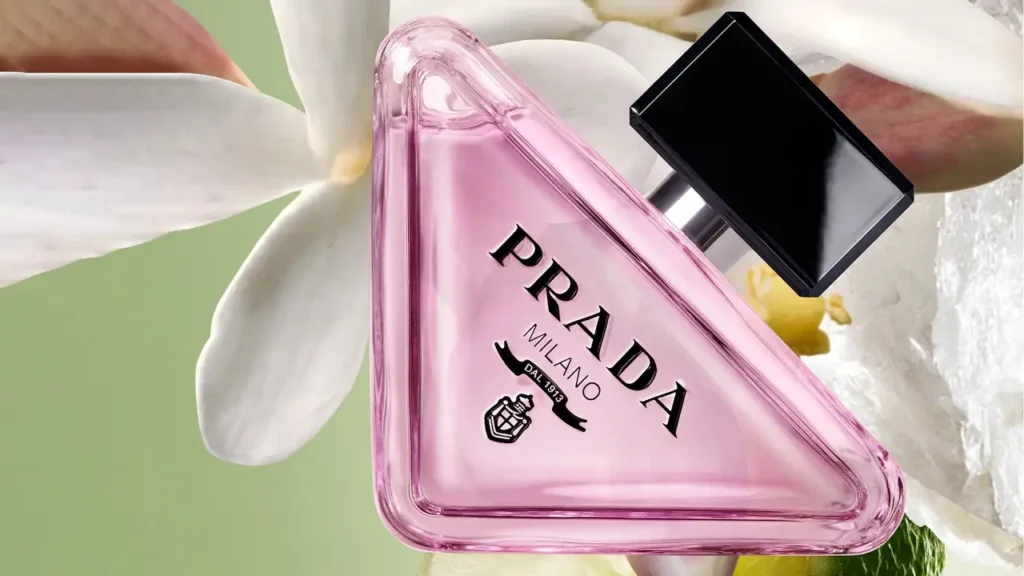
Prada took a similar tack with its Paradoxe fragrance, he notes: The brand ambassador it tapped for the perfume was actress Zendaya, whose husband, Tom Holland, was already the face of its Paradigme men’s fragrance. The move linked the brand narrative with the couple’s real-life connection.
Fashion brand Loewe is one that Nolan cites as doing marketing right: It was one of the first to offer smaller, lower-ticket items such as keychains as an entry point, with the same level of craftsmanship as its main products. It worked because consumers were eager to own a Loewe product, and this was a way to hook new customers on the brand. Most recently, Loewe sent gardening kits to its top customers. Not only is gardening having a “moment,” explains Nolan, the move shows that Loewe is eco-friendly and cares about its clients. While slightly off-brand, it’s a creative way to keep customers thinking about the company.
Lore perfume is another one she highlights: “They design their perfumes in a very unique way. They talk about feelings rather than a scent profile or a certain nose. One of their latest, which is completely sold out, plays into the feeling of being cozy and evokes a Saturday morning at home, watching cartoons and eating Lucky Charms cereal. Everyone remembers those kinds of moments, so it immediately hits that nostalgic, emotional chord and makes you feel something. That type of direction is extremely powerful when it comes to designing a set of communications.”
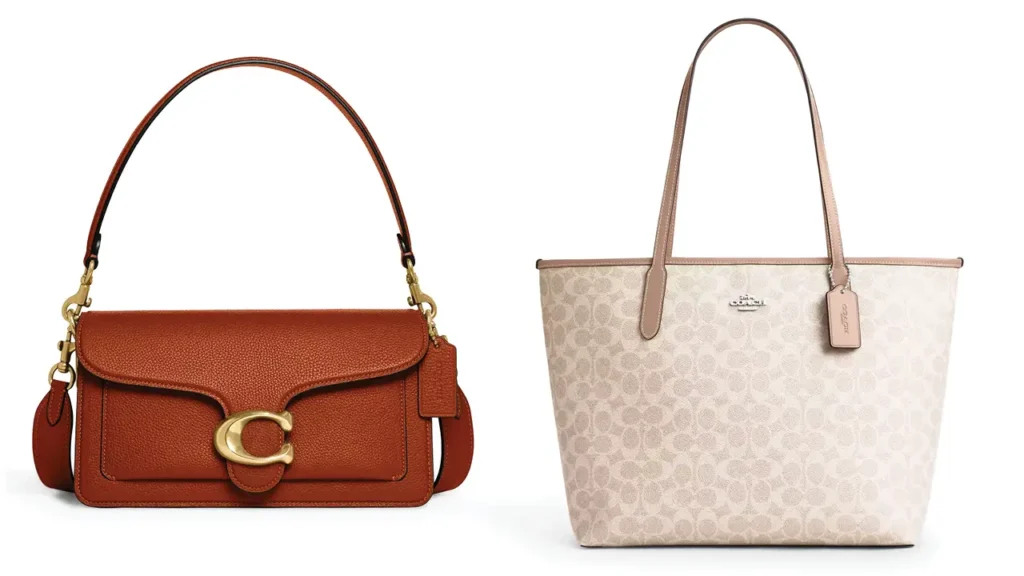
Passikoff and Driscoll both agree that Coach is doing a great job creating desire for its handbags. Coach has “thrown out the assumption that luxury has to be perfect, and instead made itself a part of ordinary culture” by using imperfect leather to signify individuality, says Passikoff. Driscoll notes that the handbag company actually sends representatives to clients’ homes to get to know who they are and what they’re looking for. As with Pandora, this empowers consumers to tell their own stories.
And the story is essential, according to Passikoff. “If you look at Porsche, it went with the tagline ‘Driven by Dreams,’ which meant the car wasn’t the hero, it was the consumer’s dream that was the hero. That’s how you engage someone – by making it their own, by letting them write their own story. Your product is just the avenue by which they do that.”
His ultimate example of a campaign for any industry to follow, however, comes from far outside the luxury sphere, with an effective tagline that’s remained unchanged for about 58 years: “‘The Few, the Proud, the Marines’ is one I think outdoes almost all others out there. It’s ‘Who are you going to be? Who are we going to make you? What are you going to deliver?’ rather than just ‘Army strong.’”
Applying the lessons
Knowing how other luxury brands make it work is important, but having a clear map of what the diamond industry can pull from those companies to implement in its own marketing is even more vital.
Having a distinct identity and a clear vision of who you are as a brand is key, says Nataf, stressing that brands should not define themselves through comparison to others. “Diamond or not diamond, real or not real, that’s not the point. You first need to know yourself.”
You also need to know your target customer, says Danziger. “Brands that really want to grow in the natural-diamond space need to zero in on consumers who will appreciate their value proposition” – ones who will have occasions that would merit a natural diamond over a lab-grown.
Nolan and Driscoll feel the natural-diamond industry needs to take a hard look at the narrow focus its marketing has, and the way it affects potential consumers.
“It’s more about celebrating human moments, and the stories that we can celebrate continuously, not just engagements,” says Nolan. “I mean, you got engaged, great, here’s the ring, that’s the ritual and tradition, and we should definitely still acknowledge that. But I think there are other human moments and rituals in people’s lives that are much more modern that should also be celebrated. I started my own business – that’s a big thing. Someone got divorced, and it’s awesome because they didn’t want to be in that marriage? Congrats, go get a diamond. Why not? It doesn’t have to be reserved for just that one thing, and that also makes people feel excluded from the conversation, and you never want to exclude people. You want to find new ways to bring them in and connect, so they feel like it’s something cool and say, ‘Okay, I’m interested, tell me more.’”
Driscoll agrees that consumers should be able to celebrate all “meaningful moments” in life with a diamond. However, Passikoff holds a slightly different view: that the focus shouldn’t be moments at all.
“I think you want to stay away from occasions,” he says. “Diamonds in particular have areas of cultural identity that you can relate to in terms of achievement and aspiration and taste and belonging. It’s not just about the occasion, but the person wearing it. Historically, diamond marketing was ‘I’ve got a diamond, I’ve got an occasion, here’s what the emotion should be.’ That’s not the way modern marketing works. It should really be ‘Here is the person, here is their identity, here is their culture, and oh, by the way, here’s the object you can have that marks that.’ That’s a big difference. Love is an emotion, and that’s right. But it doesn’t have anything to do with pride, or self-image. There are lots of areas that are emotional, and love is one of them, but that can’t be all you’ve got.”
Experiencing the difference
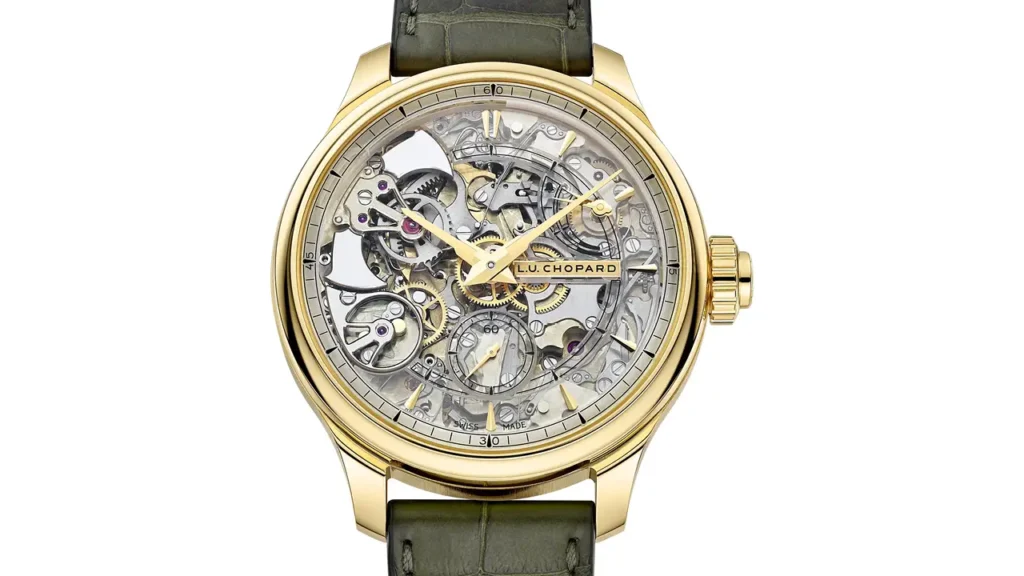
Creating an experience is also a great way to interact with customers and build brand bonds with them, Nolan says. Chopard sponsored an event she attended in Sardinia, where the lights went down about a third of the way into the evening, and models wearing the jeweler’s pieces wove their way around the tables under spotlights.
“It was one of the most wow moments I’ve ever seen, and it kind of hit me midway through that I wasn’t viewing a campaign or being advertised to, I was actually in it,” she recalls, adding that being able to see, touch and feel an item helps buyers experience it better.
Diamond jeweler Blue Nile, meanwhile, went the experiential route when it sponsored influencer Greta Louise Tomé’s birthday party earlier this year.
“Rather than put out a campaign, they owned the moment,” Nolan says. “Their whole approach was ‘Hey, it’s a moment for you, it’s your birthday, let us throw you a party.’ They had diamonds for her, and they gave all her guests jewelry. They allowed her to curate the room and bring in people who mattered to her, and they got more people involved in participating with the brand, which I thought was smart. And of course, there was content creation off the back of that.”
Clothing brand Ralph Lauren has long aligned itself with the US Open, an event that fits with the company’s aesthetic of American sports, American lifestyle and the outdoors, Driscoll points out.
And while not every brand has the money to launch a big event or sponsor a major athletic tournament, there are many things smaller companies can do on a lesser scale that can still have a big impact, notes Nolan.
“I was in Amsterdam during Fashion Week, and I found an event that sounded cool,” she says. “It had been underwritten by a jewelry brand whose average price point was much lower. They had diamonds and gemstones, but they were more gold-heavy. They rented out the garden of the Van Loon Museum, and they had a mysticism theme.” The brand, Wouters & Hendrix, set up vitrines with its Forbidden Fruit collection. “They had podiums with Greek goddesses dancing and a woman playing cello, and you could walk around and look at the jewelry. And in the middle was someone handing out cards that directed you to their boutique, where they had a tarot card reader, which drew people into their store. It was unexpected, and I can’t imagine the budget was very high, but it was cool. And tarot card reading is very popular with Gen Z right now, but it also fit into their jewelry theme of forbidden fruit and mysticism and witchery, so it felt authentic.”
Brands that want something more low-key but still outside the box should think about “incredibly askance collaborations, like diamonds and hot sauce,” advises Driscoll. “If you can make it work, you’re creating brand awareness, you’re creating a moment, and best of all, you’re not competing with each other.”
Driscoll is also an advocate of outdoor advertising, because the number of eyes on it is greater. “I’ve seen incredible ads for Marc Jacobs and Gucci at the subway station, or ads that run for long walkways so you can’t miss them. Places like Grand Central Station or [in-flight ads] on airplanes work because you get people’s eyeballs on them for a prolonged period of time.”
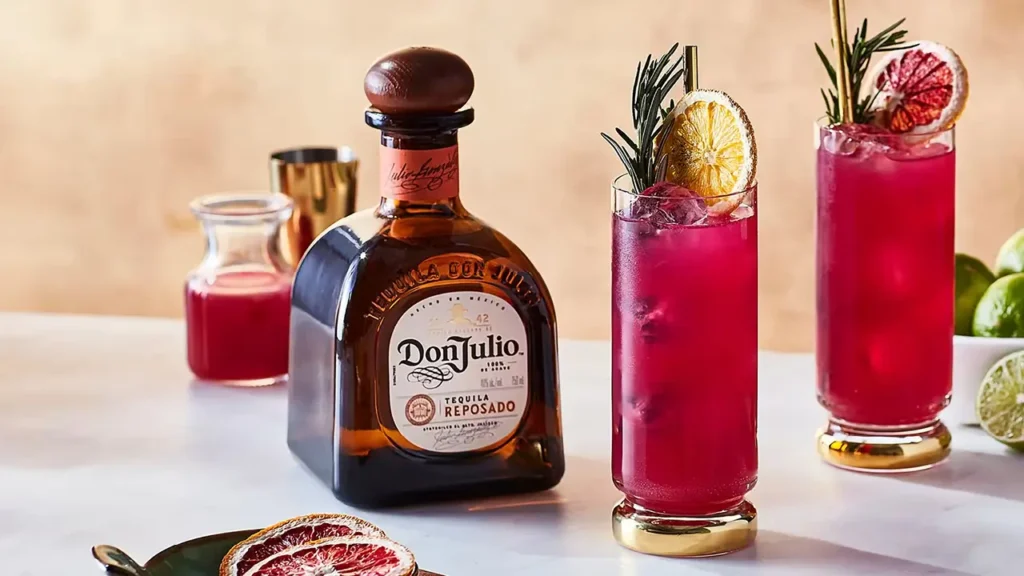
And if brands can attach their products to meaning beyond their category, they have more of an opportunity to nab consumers, Passikoff remarks. “Look at tequila: Don Julio relates itself to heritage, music, fashion and nightlife. [The brand creates] limited editions, where the bottle itself has become a cultural object.”
The fame game
Many brands also like to use celebrities to bypass some of the need for a really catchy or meaningful campaign. The hope, when using people with a large number of fans, is that those followers will become your followers as well, because they want to be just like their idols. But while the experts do see the validity of using celebrities in marketing, they also warn that it’s more complex than just having Ariana Grande or Roger Federer wearing your diamonds or watches.
“The selection process for a brand to say, ‘We want to sponsor this particular artist or creator,’ is extremely important, because, for example, Taylor Swift’s Swifties are absolutely crazy about her, so if she were to work with Tiffany, [the company] would definitely sell more product,” says Nolan. “The curation of the individual chosen is the most important thing – everything from their value to their interests, what their medium is and how it fits into the brand DNA and the brand vision, is absolutely critical.”
Driscoll agrees, though she believes it’s not quite as simple as “build it and they will come.” Celebrities naturally capture attention, so using them will attract “a certain amount of the people, depending on how they feel about the celebrity,” she says. “It might make them look at a product, but the product still has to speak to them. For instance, a celebrity being used to market a fragrance – it’ll get me up to the counter, and I’ll smell the fragrance, but if I don’t like the fragrance, I’m not going to buy it.”
While Nataf sees the benefit of the “use a celebrity, gain their followers” approach, he agrees with Nolan that the person must be authentic to the brand, and not just chosen for being a mega-star or influencer. He also warns that using celebrities can be detrimental if the partnership doesn’t last.
“It’s true that celebrities can be a very good way to accelerate your development and bring you short-term results, but it’s important to keep that celebrity yours,” he elaborates. “If they leave you suddenly, or if you can no longer afford them, it can create negative publicity for your brand. You also have to be careful, because there is a certain fatigue with celebrity marketing we are seeing now, where the public is aware the star is getting paid to promote a brand, so it can sometimes appear less convincing or authentic.”
Room to recover?
The biggest question is whether fresh marketing can actually reinvigorate the industry, or whether the moment has passed and consumers have moved on. Nataf believes the trade can absolutely recover, but it will take work, adaptability and a willingness to change.
“[Marketers] need to be conscient of the challenge,” he says. “They need to say, ‘Okay, I have to accept and embrace change. Let’s invent something, let’s take some risks, let’s do new things.’” He stresses that there’s no one-size-fits-all solution; it’s unlikely that a blanket campaign like “A Diamond Is Forever” will work for the industry at large. “Brands now need to find their own niche and their own authenticity.”
Danziger agrees, admitting that she doesn’t “see any way of reinvigorating the natural diamond industry as a whole.”
Regardless, she says, marketers need to go beyond simply evoking emotion, and give the consumer a reason to value the product. “That takes a whole different set of skills and communication beyond just a fancy tagline. You’ve got to go deeper; you’ve got to express more, and you’ve got to communicate in a different way. Each brand has to look at itself, figure out what the value proposition is that will really resonate with consumers.”
That’s not to say brands should eschew the emotional side, says Nataf. “There is that part of craftsmanship and beauty and artistry that really creates emotion, and you need that in jewelry; it can’t be only rational. You get people [interested] through emotion. They need to vibrate, from the hum of the car they drive, to the taste of a glass of champagne, to the smell of a fragrance, to the feel of a diamond ring. It’s all linked to our senses, and to our perception of pleasure. There is always room to add a new story to even a very long story, because humanity is made up of stories.”
Main image: A Cartier Panthère clip brooch. (Christie’s)