
Indian weddings represent one of the most significant opportunities in the global bridal jewelry market. Rising affluence, strong cultural continuity, and global mobility among consumers of Indian descent, are driving sustained demand for Indian wedding jewelry well beyond India.
A Financial Times 2025 report highlights how Indian consumers and businesses are increasingly shaping global luxury and jewelry demand, particularly in the US and Europe, where weddings drive cross-border jewelry consumption.
Unlike Western weddings, Indian weddings are multi-day celebrations, involving multiple ceremonies, outfit changes, and distinct jewelry requirements. As a result, bridal jewelry spend is typically far higher, with consistent demand for gold jewelry, natural diamonds, and colored gemstones.
This blog will explore:
- Understanding the Indian Wedding Timeline
- Gold Preferences and Bridal Design Trends
- Popular Gemstones in Indian Bridal Jewelry
- A Resilient and Expanding Wedding Economy
- Sourcing Indian Bridal Jewelry with Confidence
- A Growing Opportunity for the Global Jewelry Trade
Understanding the Indian Wedding Timeline
Wedding season typically takes place between October and February. Indian weddings are structured around a sequence of events rather than a single ceremony. These often include the engagement, mehndi, sangeet, wedding ceremony, and reception, each with its own aesthetic expectations.
The economic scale of these celebrations continues to grow. India’s wedding industry is valued at about $130 billion a year across roughly 10 million weddings, and a 2025 Business Today analysis expects record levels this season. Jewelry is the single biggest expense, accounting for roughly 15% ($19.5 B) of total wedding spending, according to ABC News, which cites a Jefferies report putting the average Indian wedding at nearly $55,000.
Lighter diamond jewelry is typically chosen for pre-wedding functions, while heavier traditional gold jewelry and statement pieces are reserved for the main ceremony.
Retail insight: Indian brides rarely purchase one set of jewelry. Instead, they curate multiple pieces across events, increasing overall spend and deepening retailer relationships.
Jewelry Traditions & Cultural Significance
Indian bridal jewelry carries deep symbolic and financial meaning. Many purchases are made with long-term value in mind, often intended to remain within families for generations.
Core elements of Indian bridal jewelry include:
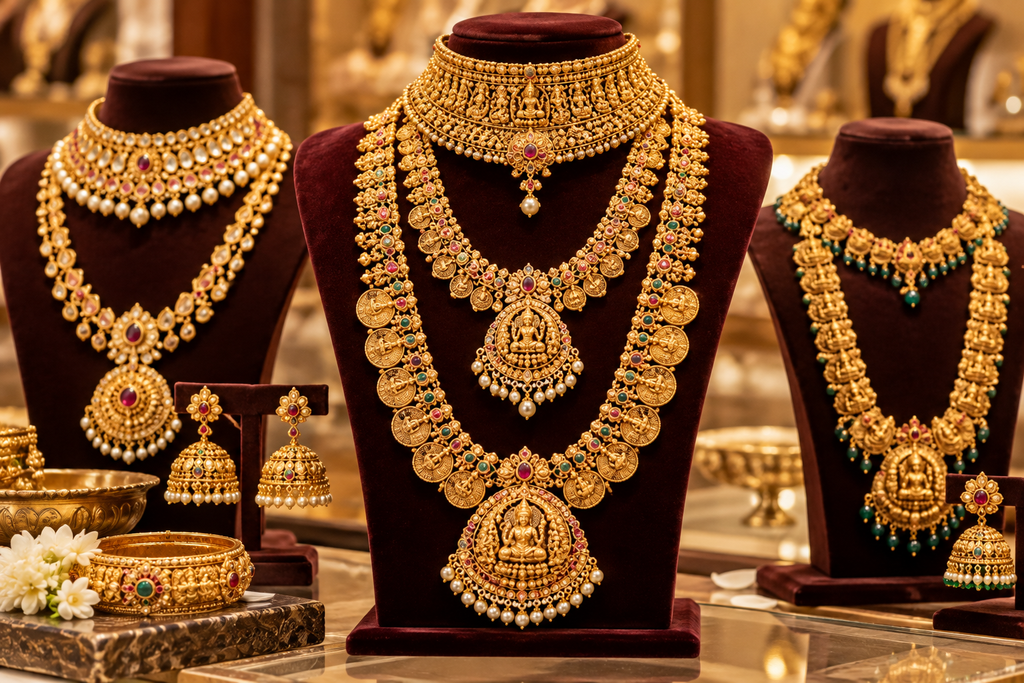
- Layered necklace sets, combining chokers, mid-length necklaces, and long haar designs
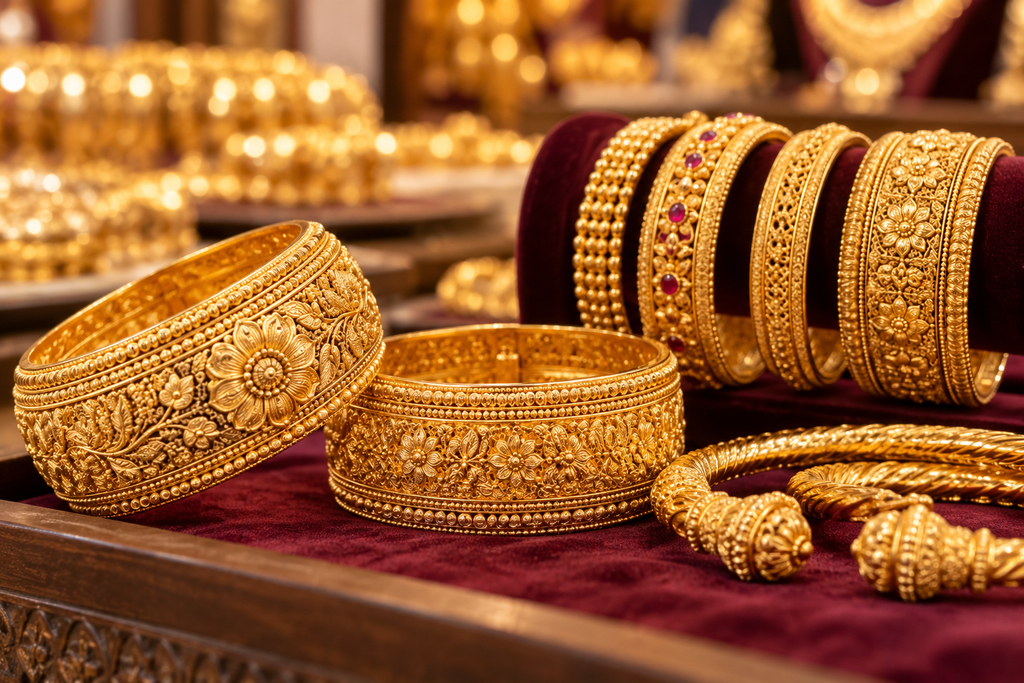
- Gold bangles and kadas, frequently worn in multiples
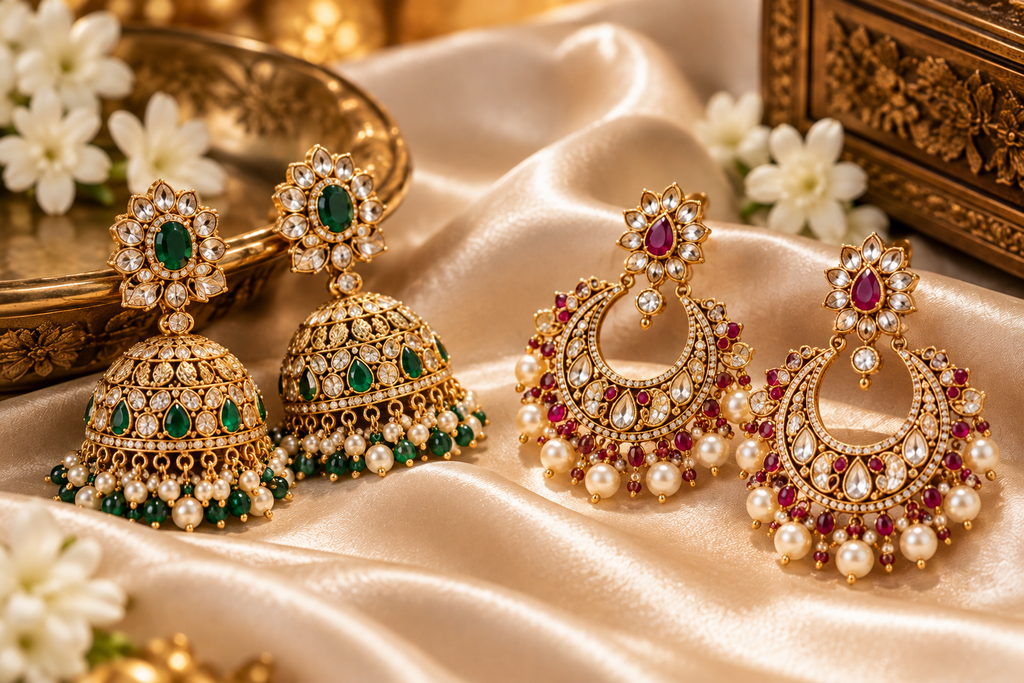
- Statement earrings such as jhumkas and chandbalis
- Maang tikka and bridal headpieces
- Nose rings (nath), commonly associated with regional traditions
The importance of bridal jewelry to India’s gem and jewelry trade is consistently emphasized by the Gem & Jewellery Export Promotion Council (GJEPC), particularly in the context of exports and global retail demand.
Popular Gemstones in Indian Bridal Jewelry
While natural diamonds are increasingly central to modern Indian bridal jewelry, colored gemstones remain deeply embedded in bridal traditions.
Retailers serving this market should be familiar with strong demand for:
- Diamond bridal jewelry worn across multiple wedding events
- Rubies, traditionally associated with prosperity and strength
- Emeralds, valued for heritage and visual impact
- Sapphires, used in both classic and contemporary designs
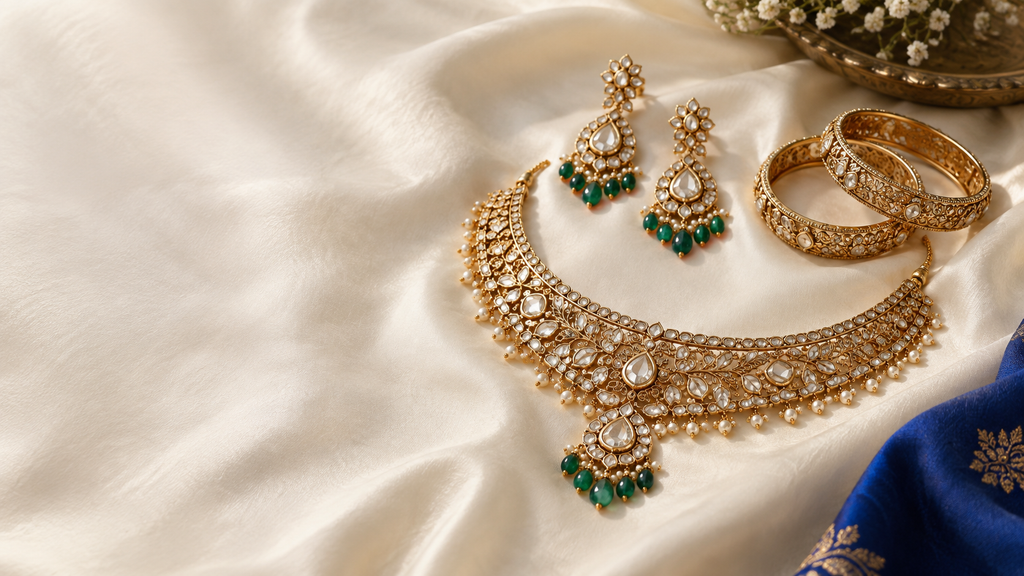
- Uncut and Polki-style diamonds, prized for traditional craftsmanship
The Natural Diamond Council reports that engagement rings, including loose stones and semi-mounts, accounted for 38% of US natural diamond jewelry sales by volume in 2025, based on more than 4 million transactions at 2,500 specialty jewelers. Research from the World Gold Council reinforces the central role weddings play in sustaining gold jewelry consumption.
Gold Preferences and Bridal Design Trends
Yellow gold jewelry, particularly in 18K and 22K, remains the preferred choice for traditional Indian weddings due to its cultural importance and long-term value perception. According to the World Gold Council’s India market insights, weddings remain one of the strongest structural drivers of gold demand.
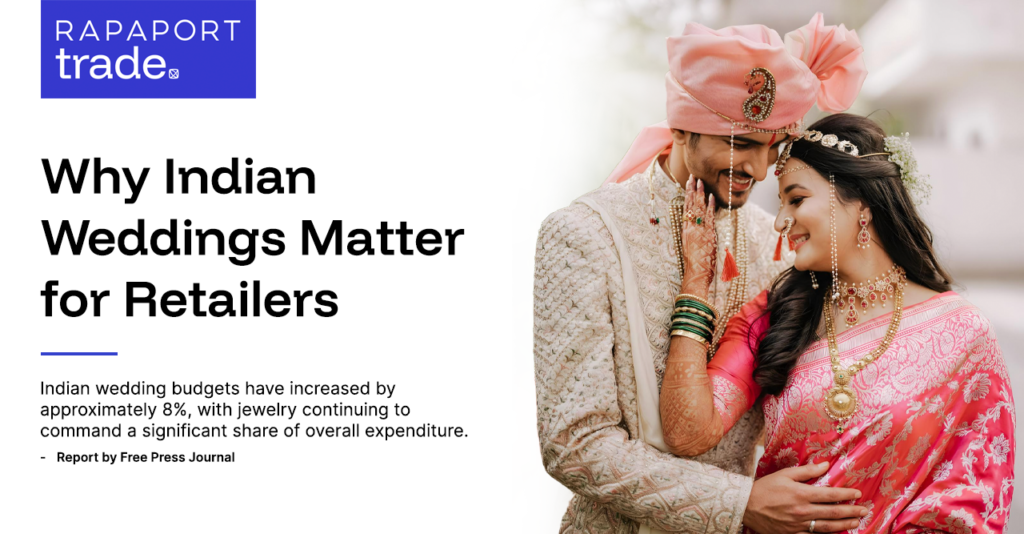
Despite elevated gold prices, spending continues to rise. A 2025 report by the Free Press Journal notes that Indian wedding budgets have increased by approximately 8%, with jewelry continuing to command a significant share of overall expenditure.
At the same time, preferences are evolving. White gold and diamond-forward designs are increasingly popular among younger and diaspora brides, a shift reflected in Times of India wedding trend coverage 2025.
A Resilient and Expanding Wedding Economy
The strength of the Indian wedding market is extending well beyond peak seasons. According to the Financial Express, jewelry retailers are expected to benefit from sustained bridal demand into 2026 underlining weddings as a long-term growth driver rather than a cyclical trend.
Sourcing Indian Bridal Jewelry with Confidence
Serving the Indian wedding market requires reliable access to natural diamonds and gemstones across a wide range of qualities and price points. Transparency, scale, and diamond supplier credibility are essential.
Platforms such as Rapaport Trade enable jewelry retailers to connect with verified suppliers worldwide, supporting efficient sourcing for Indian bridal jewelry, diamond collections, and custom designs. Beyond sourcing, the new Rapaport Ring Builder* feature on Rapaport Trade makes custom natural diamond engagement rings easy to offer. Your client picks the stone and the setting from more than 100 options, and Rapaport handles quality control, so you can deliver a made-to-order ring for the engagement without managing the process yourself.
A Growing Opportunity for the Global Jewelry Trade
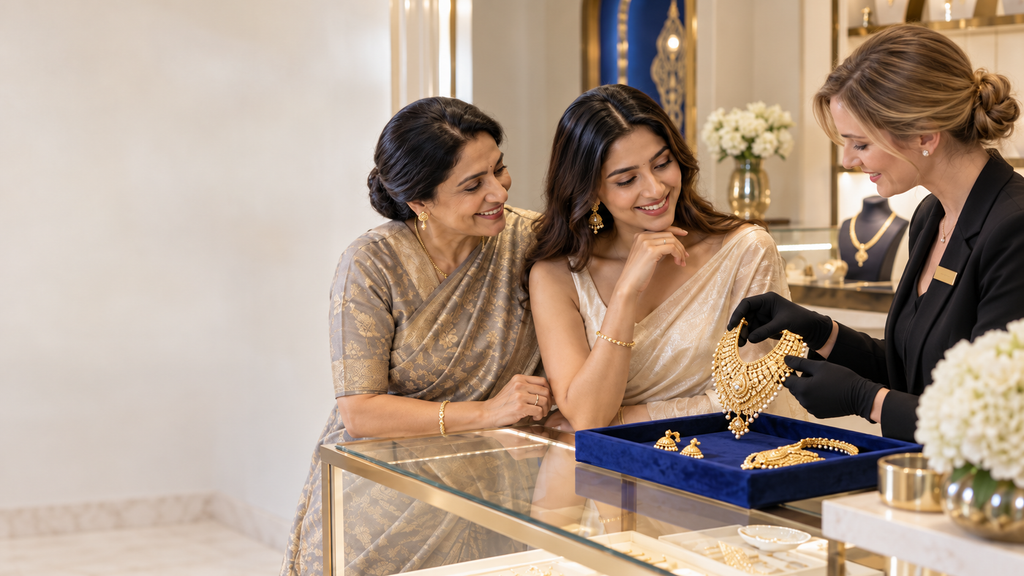
Indian weddings represent a high-value, culturally and economically driven segment of the global bridal market. For jewelry retailers in the US and Europe, understanding Indian wedding structures, bridal jewelry expectations, and sourcing dynamics is critical to long-term growth.
Retailers who invest in this understanding are better positioned to increase bridal sales, strengthen relationships with Indian-origin clients, and compete effectively in an increasingly global jewelry marketplace.
* Rapaport Ring Builder is currently only available to Rapaport Trade members in the US.