
Part of the Retailer’s Monthly Birthstone Guide, a monthly feature from Rapaport Trade highlighting birthstones, selling insights, and storytelling strategies for jewelry professionals.
In This Guide:
What Makes Diamond Such a Strong April Seller?
Diamond: The Timeless Icon of Brilliance & Strength
What Makes Natural Diamonds Special
Marketing Ideas to Boost April Diamond Sales
Care & Maintenance to Share with Customers
What Makes Diamond Such a Strong April Seller?
April’s birthstone doesn’t need an introduction, but it does deserve a strategic retail spotlight. Diamonds remain the world’s most recognized symbol of love, longevity, and luxury. For April birthdays, anniversaries, bridal shoppers, and self-purchasers, diamonds have an unmatched appeal across all jewelry categories.
Why they sell:
- Instantly recognizable symbolism that supports emotional purchasing
- Ideal for milestone gifts: anniversaries, engagements, birthdays
- Available across a wide spectrum of qualities and price points
- Exceptional upsell potential through cut, color, clarity, and traceability
- High conversion rates due to familiarity and timelessness
- Perfect gemstone for cross-merchandising with colored stones
April is also an optimal time to refresh your diamond storytelling, update staff training, and promote natural diamond differentiation, especially as consumers increasingly seek transparency, rarity, and assurance.
Diamond: The Timeless Icon of Brilliance & Strength
Quick Facts
- Hardness: 10 on Mohs scale
- Visual appeal: Superior brilliance due to high refractive index and strong dispersion
- Colors:
- Near-colorless range (D–Z)
- Fancy colors: pink, blue, yellow, green, orange, brown, black, and extremely rare reds
- Cuts:
Round brilliant, oval, pear, emerald, princess, cushion, radiant, marquise, heart, plus vintage cuts and modern geometric shapes such as kites and shields.
- Primary sources:
Russia, Botswana, Canada, Angola, South Africa, Democratic Republic of Congo
- Symbolism: Love, purity, resilience, commitment
What Makes Natural Diamonds Special
Key Features to Showcase:
As consumer conversations evolve, retailers benefit from reinforcing the inherent attributes that only natural diamonds possess:
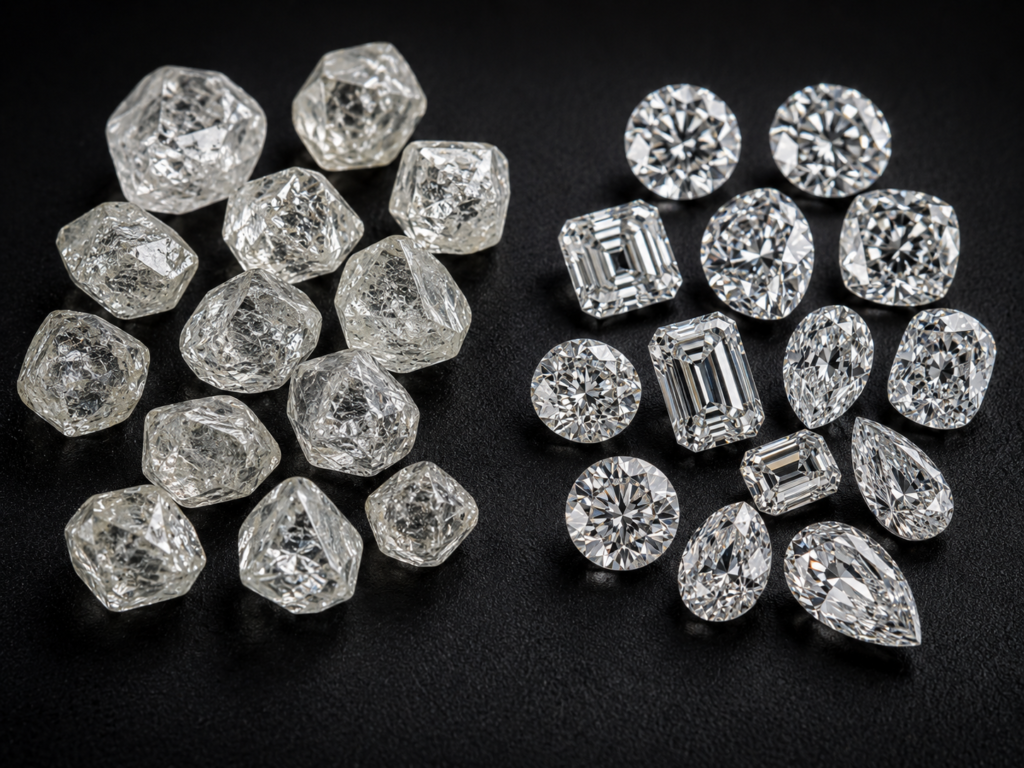
- Unmatched brilliance: Diamonds’ exceptional optical properties make them the most visually dynamic gemstone on the market.
- Enduring durability: With a Mohs rating of 10, diamonds are ideal for lifelong wear, especially bridal and milestone gifting.
- Universal compatibility: Works with every metal color and all design aesthetics, from classic solitaires to modern minimalism.
- Rare fancy colors: Pinks, blues, and greens allow for high-end upsells and engagement with collectors.
- Traceability advancements: New mine-to-market technologies support retailers to build trust and credibility.
- Longevity of value: Natural diamonds retain cultural relevance and long-term emotional and financial value.
Celebrity & Style Connection to Diamonds
Diamonds continue to dominate red carpets, celebrity proposals, and cultural fashion moments.
- Taylor Swift’s vintage cushion-cut engagement ring
- Selena Gomez’s distinctive marquise diamond styles
- Beyoncé’s Cowboy Carter tour bolo tie featuring 19 carats of diamonds
These touchpoints help demonstrate modern relevance and reinforce aspirational buying behavior.
Selling Tips for Diamonds
Here are some practical ways retailers can increase sales for these unique gemstones:
1. Lead with brilliance and cut quality
Most shoppers associate diamond quality with sparkle first. This gives an easy place to begin, educating customers on how symmetry, polish, and proportions influence light return.
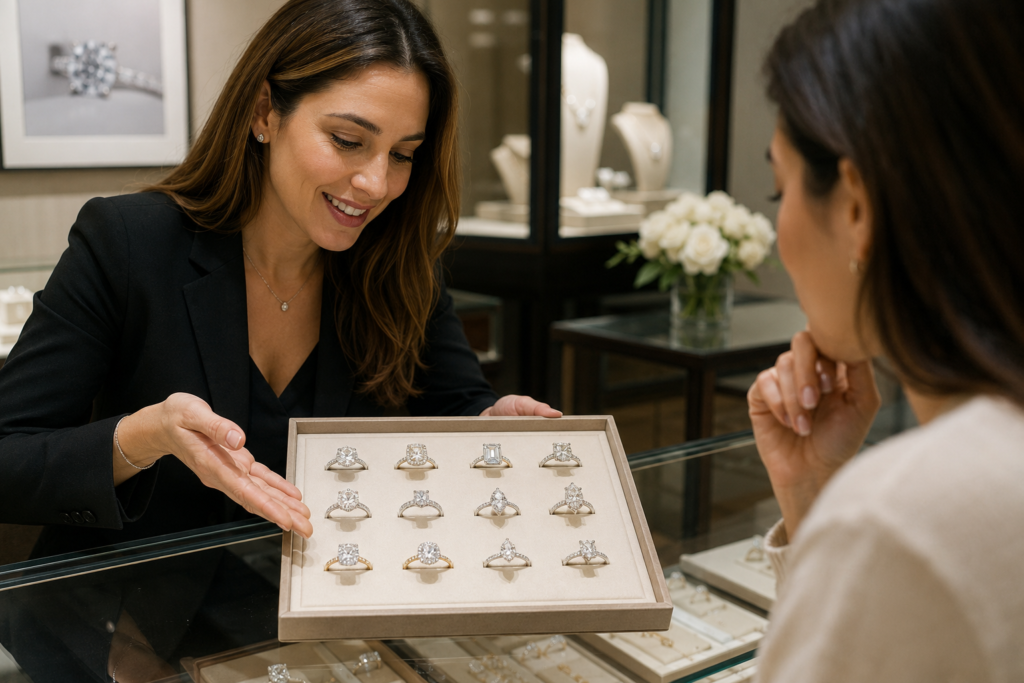
2. Use side-by-side comparisons
Show light performance differences across cuts, clarities, and colors to help customers self-identify preferences.
3. Introduce traceability early
Today’s consumers increasingly ask where their diamonds come from. Give them simple, meaningful explanations about origin and ethical sourcing, while supporting your own due-diligence through trusted supplier networks.
4. Promote fancy shapes
Ovals, pears, radiants, and cushions often appear bigger than their carat weight suggests, making them attractive options for style-conscious or budget-aware clients.
5. Encourage stacking & add-ons
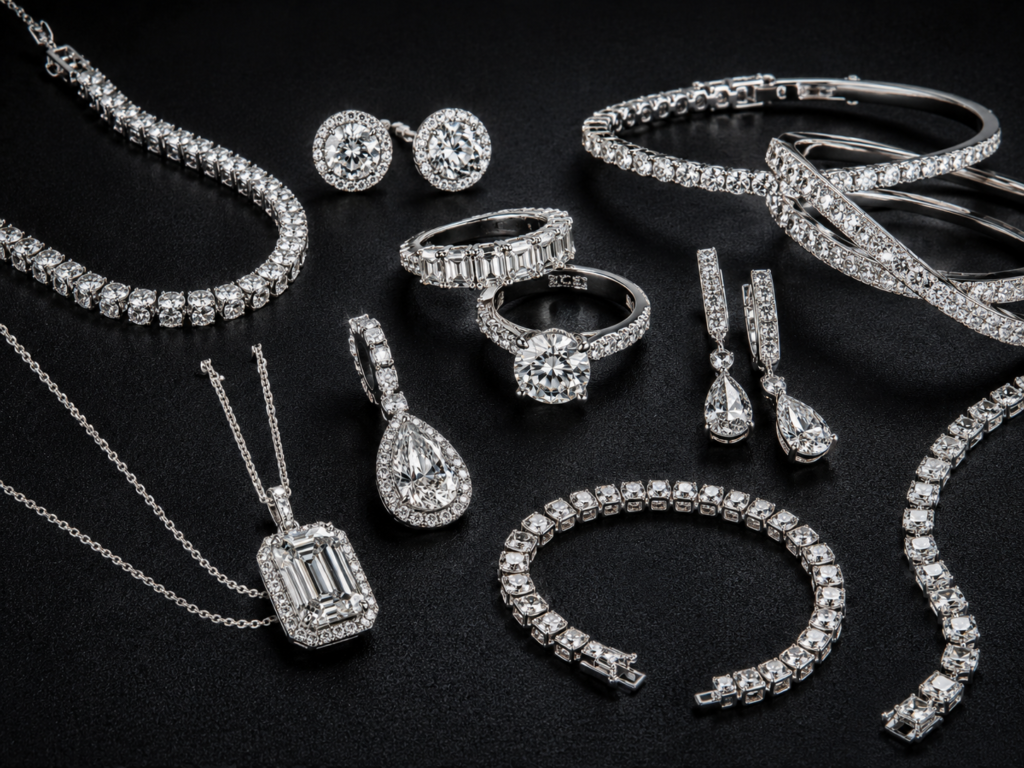
Diamond studs, pendants, bands, and bracelet companions drive seamless upsells.
Marketing Ideas to Boost April Diamond Sales
- Create a Natural vs. Lab-Grown Comparison Display
Focus on educating your consumers on:
- Rarity
- Value retention
- Environmental and social impact
- Price trajectory
- Long-term symbolism
- Promote “Diamond Upgrade Month”
Encourage customers who purchased wedding rings to upgrade in size, quality, or setting for anniversaries, renewing of vows or milestone gifts.
- Feature “Behind the Stone” Narratives
Origin stories, cutting craftsmanship, artisan processes, and ethical sourcing all add meaningful value.
- Offer short in-store workshops
For first time buyers who want to enrich their understanding before they select engagement rings, you can offer staff-led sessions about cut quality, diamond myths, and care tips to support trust-building and lead to future conversions.
- Build social content to connect with future buyers
- Rare natural pinks and blues account for less than 0.01% of global supply
- Popular fancy shapes have surged among Gen Z & Millennials
- 5 Things You Didn’t Know About Natural Diamonds
- How to Spot Superior Cut Quality
- Why Natural Diamonds Retain Their Value
Care & Maintenance to Share with Customers
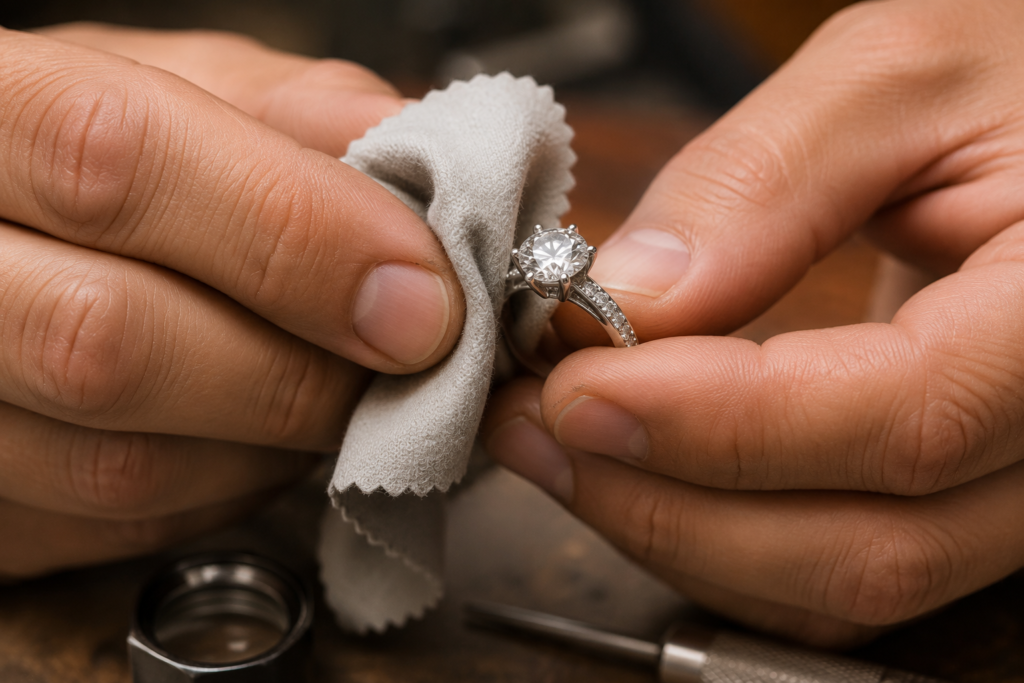
Use these simple care guidelines with every diamond purchase:
- Ultrasonic cleaners are safe for most diamonds unless the stone has significant inclusions or the setting is delicate.
- Clean regularly with mild soap and warm water.
- Remove jewelry before applying lotions or chemicals.
- Store diamonds separately to prevent scratching softer gemstones.
- Have prongs checked annually to ensure secure settings.
Providing a printed or digital “Diamond Care Card” can help build a long-term relationship and trust with your customers and encourages repeat visits.
Why Diamonds Sell Year-Round
Even beyond April, diamonds remain foundational to jewelry retail:
- Strong emotional connection supports milestone, bridal, and self-purchase categories.
- Extensive cut, size, and price ranges ensure accessibility across budgets.
- Pairs beautifully with colored gems for modern, expressive designs.
- High consumer recognition means shorter education cycles and faster conversion.
- Natural diamonds retain relevance and prestige even as trends shift
As the world’s largest diamond and gemstone trading network, Rapaprt Trade (formerly RapNet) enables jewelry professionals to source verified rubies across origins, sizes, and quality levels. With transparent pricing and trusted listings, Rapaprt Trade (formerly RapNet) helps retailers confidently stock and sell one of the market’s most powerful gemstones. Explore our gemstone plans and see how you can source rubies on Rapaprt Trade (formerly RapNet) to keep your showcases competitive and compelling.
Get The Competitive Advantage on Rapaport Trade
As the world’s largest diamond and gemstone trading network, Rapaport Trade empowers retailers to source, price, and sell natural diamonds with confidence. Get a demo and see how you can get access to verified suppliers, pricing insights, and instant search tools to keep your diamond assortment competitive and compelling year-round.
Supporting Your Gemstone Strategy with Rapaport Trade
As the world’s largest diamond and gemstone trading network, Rapaport Trade connects you with thousands of verified listings, spanning Tanzanite, Zircon, Turquoise, and beyond. With trusted suppliers, transparent pricing, and cutting-edge search tools, Rapaport Trade gives retailers the confidence to source smarter, price accurately, and sell more effectively.
Ready to expand your gemstone business? Explore Rapaport Trade’s membership plans to access exclusive trading opportunities, verified suppliers, and real-time market insights, all designed to help you grow your colored gemstone sales with confidence.
Grab your FREE Birthstone of the Month Selling Companion.
Rapaport Trade FAQ’s
Is Rapaport Trade’s diamond trading marketplace only for natural diamonds?
Yes, Rapaport Trade’s marketplace is exclusively for natural diamonds.
Can anyone become a Rapaport Trade member?
No. All members are strictly vetted before joining Rapaport Trade. Applicants must provide proof of identity, a valid business license in the industry, trading references and invoices, and pass an OFAC compliance check.
Are there any trading commissions or transaction fees on Rapaport Trade?
No. Rapaport Trade operates on a commission-free model, meaning there are no hidden commissions or transaction fees when you buy or sell a diamond or gemstone, allowing you to maximize your profits.
Does Rapaport Trade offer the best wholesale pricing on diamonds, gems and jewelry?
With thousands of Rapaport Trade suppliers worldwide listing their merchandise, buyers can access highly competitive pricing on over 1.6 million diamonds, gems, and jewelry pieces.