

Every day, I have a front-row seat to one of the largest marketing experiments in the jewelry industry. Hundreds of wholesalers post on Facebook, hoping to catch the attention of retailers. Some crush it, others are the marketing equivalent of dry toast.
Running the Jewelers Helping Jewelers group has given me the chance to watch thousands of jewelry posts succeed or fail in real time. After years of watching this happen over and over, you learn a few things.
The companies getting the most attention aren’t selling the rarest diamonds or the newest designs; they are the ones that are the most human. Nobody wants to make friends with a tennis bracelet. They want to make friends with the cool person who designed the tennis bracelet.
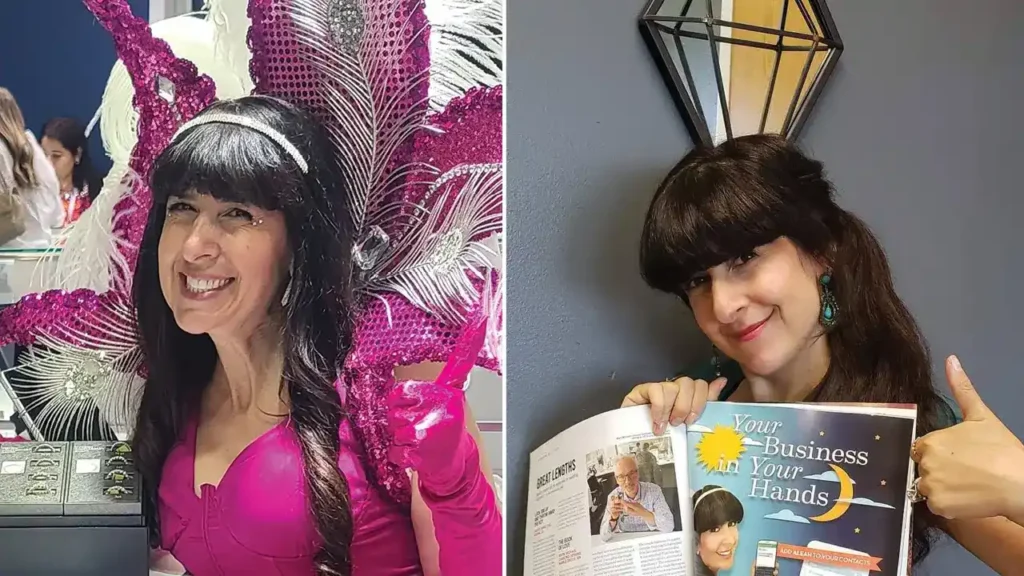
Show your face. Show your family. Show your dog. Show your bench jeweler. Show your factory. Show yourself celebrating. Show yourself eating tacos at JCK. Don’t disappear behind product photos.
People don’t just buy jewelry; they buy jewelry from people. They want to meet the designer who sketched it on a napkin, the bench jeweler who built it, the family that’s been cutting diamonds for three generations. In an industry where retailers can compare prices in seconds, you become the competitive advantage. Your story is the one thing nobody else can duplicate.
Starting a conversation
I’ve also noticed something else: The highest-performing vendors spend less time talking at retailers and more time talking with them. Instead of announcing, “Here’s our new platinum bridal collection,” they ask, “Are your brides asking for more platinum or white gold this year?”
Marketing has changed. Attention isn’t something we receive simply because we have inventory. It’s something we earn by inviting people into a discussion. Questions create engagement, and engagement creates relationships.
Another pattern appears almost daily inside the group. Someone proudly posts, “Check out our website!” My first thought is always the same: Why? What’s in it for me? For anyone?
Too much marketing is written from the seller’s perspective instead of the buyer’s. “We carry beautiful eternity bands.” That’s nice. Now try this: “Need a size 8.5 eternity band by tomorrow? We probably already have one.” Same product. Completely different message. The first tells me what you sell; the second solves my problem.
That shift – from talking about yourself to talking about your customer’s needs – may be the simplest improvement a vendor can make.
Price vs. value story
The way we talk about price is another fascinating area. Nearly every company claims competitive pricing, great service, outstanding quality. If everyone says the same thing, none of it becomes memorable. The vendors that stand out have something larger than a price list: They have a value story.
Maybe they’ve specialized in recycled diamonds for decades. Maybe every stone is personally inspected. Maybe they answer the phone on the second ring. Maybe they just returned from Antwerp with firsthand market knowledge.
Those aren’t just facts; they’re reasons to trust you. People rarely buy because someone is cheapest. They buy because someone feels like the smartest decision. That feeling comes from the story surrounding the product.
We live in an attention economy. If you can get people’s attention, you can sell them something. The easiest way to get attention is simple: Surprise! Instead of another perfectly lit ring on another perfectly posed hand, show me something unexpected. Put the ring on your accountant. On your shop dog. Give me something that interrupts the endless parade of identical jewelry photography. Safe marketing gets ignored. Interesting marketing gets shared.
Remember that stories have always sold luxury better than specifications. Disney doesn’t sell rides; it sells stories. Luxury brands don’t simply sell handbags or watches; they sell identity. Jewelry is no different.
One of my favorite examples is from market researcher Anne Bowers, who ran an experiment in which she sold the same ring three times on eBay. Each time, it brought in a dramatically different price. The only thing that changed was the story behind the piece. But suddenly the value changed with it.
A clear message
There’s one last lesson I’ve learned after watching more jewelry posts than I can count: Keep it simple. One product, one idea, one goal. Then tell people exactly what you’d like them to do: Comment. Call. Request a memo. Ask for a price list. The most beautiful marketing piece in the world accomplishes very little if the customer doesn’t know what happens next.
Running Jewelers Helping Jewelers has taught me that retailers aren’t looking for more advertisements. They’re looking for better relationships. The companies that understand that – and market like real people – are usually the ones everyone remembers and shops with.
And now, if you’ll excuse me, I have to get back to helping jewelers help jewelers.
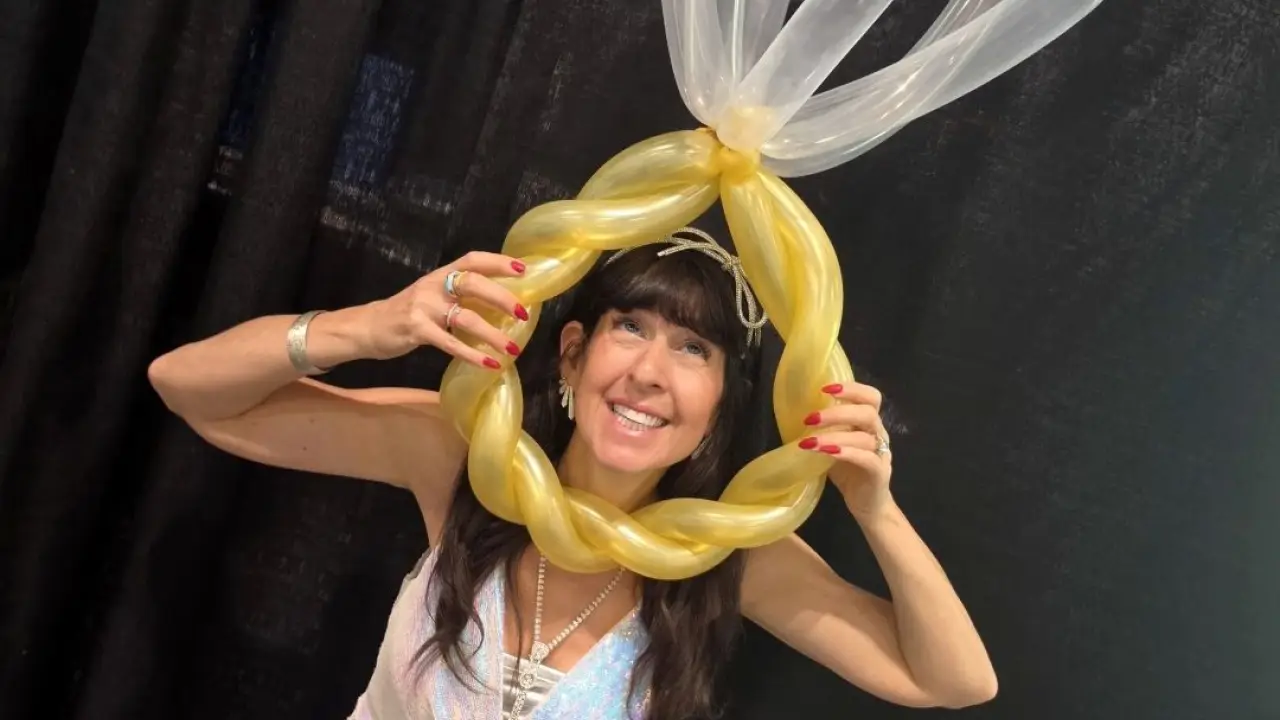
Aleah Arundale, a fifth-generation jeweler, runs the Jewelers Helping Jewelers Facebook group and is a loose-diamond wholesaler at Olympian Diamonds.
Main image: Aleah Arundale. (Aleah Arundale)