

My journey to marketing came through the entertainment industry, where you quickly learn that everything starts with a story. What makes someone care? What draws them in? What makes them want to keep watching? There has to be a connection. Or as we say in entertainment: There has to be an emotional hook.
I’ve carried that thinking with me throughout my career, because marketing really isn’t all that different. Before I think about the platform, before I create the campaign or even tinker with the creative, I ask a much simpler question: What is the story?
For jewelers, that question should be relatively easy to answer, because you are surrounded by stories every day. The jewelry industry has something marketers in other industries work incredibly hard to capture: emotion. Jewelry marks beginnings, endings, achievements, relationships and memories. It gets handed down, reinvented, given away, and sometimes kept forever.
The stories are already there.
Think about why people walk through your doors. The jewelry may be what you’re selling, but there’s something bigger that is always happening around the purchase – the “why?”

Turning facts into features
I’ve found that the industry tends to lead with what we want people to know: We have a new collection, we carry this designer, we offer custom design, we’re having an event, we’ve been in business for 50 years.
Those are facts. And there is certainly truth in storytelling. But those facts aren’t necessarily stories on their own.
For example, “We do custom design” is a service. Taking a grandmother’s diamond that hasn’t been worn in 20 years and turning it into something her granddaughter will wear every day? That’s a story told through custom design.
Being in business for 50 years is an accomplishment. Helping multiple generations of the same family celebrate engagements, anniversaries, birthdays, and everything in between tells me why those 50 years matter.
Good marketing finds that distinction. And sometimes the most important story isn’t about the jewelry at all. It’s about the relationship you’re creating with the person buying it.
Independent jewelers have an incredible opportunity here. Over time, you and your sales associates get to know your customers. You know what matters to them and what doesn’t. You remember the pieces they’ve purchased. You know their families. You know the next big milestones. You know when someone wants your opinion and when they need time to decide for themselves.
That knowledge creates trust. And trust creates relationships that can last for years – ideally generations. Those relationships are part of your brand story, part of your identity as a jeweler who celebrates life’s milestones with your community.
Look inside
Today’s marketing channels are multilayered, which can be a blessing and a curse. How do you decide what message to communicate, and then where and when and how to deploy it? To execute that, a clear brand strategy and business identity are key.
If you don’t have that, start there. Whether you’ve inherited a generational name or acquired a well-known brand, the key to moving forward is establishing your aesthetic, brand voice, and business personality. In either scenario, you aren’t starting the story; you’re entering it, and then tasked with continuing it.
Moving an established brand forward means taking risks. You’ll need to decide what elements from the past deserve to be protected, what needs to evolve, and where your story begins. You don’t need to – and shouldn’t – erase what came before you to create your own brand identity. Think of it as a reintroduction: “I’d like to reintroduce you to [name of store].” Show people what you’re keeping, what you’re changing, and most importantly, who you are.
Once you’ve done that, start listening for stories happening all around you.
Start by paying attention to what is already happening inside your store. Your sales associates are your marketing gold mine. Ask them why someone is buying a piece, not just what they’re looking for. Talk to your sales team about the conversations they’ve had that day. Ask your bench jeweler what they’re working on. Look at what your team considers completely routine, and ask whether a customer would find it interesting. Hold staff meetings daily – a short morning debrief, a team huddle.
You might be surprised by how many stories are coming through your front door, and how much marketing material can come from the people sitting right in front of you.
The heart of the messaging
Once you’ve captured the stories of why people are coming to you – the emotions, the moments in their lives they want to celebrate – only then do you start to think about where and how to communicate those stories.
An email, a 30-second video, a social post, an event, an ad, a billboard. Or maybe it’s none of those. Maybe the story is told person-to-person in your store. Marketing isn’t simply a paid medium. Storytelling is in everything you are already doing. You need to refine the messaging.
Before you ask, “What should we post?” or “What should we promote?” or “How much is this going to cost?” ask a better question: What happened here today that was emblematic of celebration and deep emotion and might resonate with someone?
Find that story. That’s where the marketing begins.
Erin Moyer-Carballea is CEO of Fruchtman Marketing.
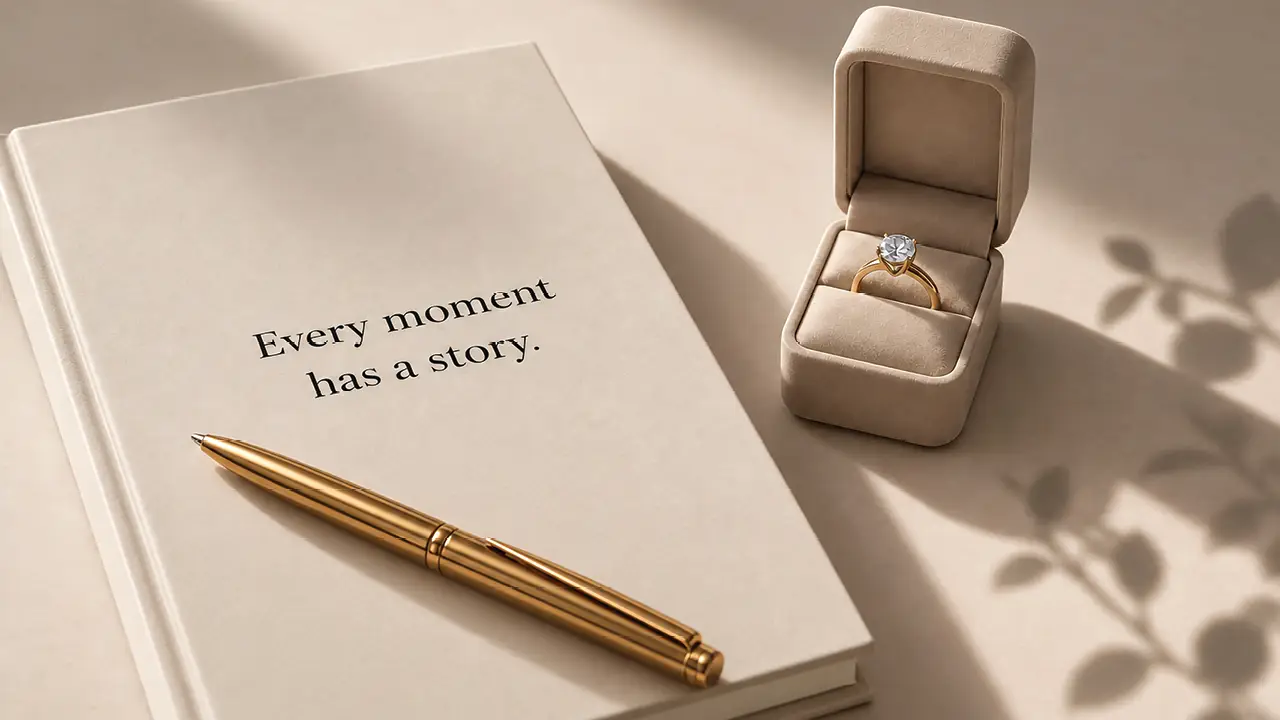
Main image: ChatGPT