

For a foreign independent jewelry brand, entering America is rarely a singular decision, according to leading brand consultants. It is a slow culmination of trade fairs, trunk shows and client relationships that, if successful, can look like a well-chalked out strategy.
That was the path that London-based Lebanese designer Nada Ghazal followed to make inroads in the US, which she calls “the most significant international market for our growth.” Business has grown organically from those shows and relationships, she says.
For Russian designer Alexander Laut, who founded his brand in Hawaii, the trajectory was similarly incremental, moving from private clients to “retail partnerships, international jewelry shows, private presentations and exclusive client events.”
But international growth should not mean changing the identity of the brand, says Ghazal. “It should mean learning how to express that identity in a way that feels relevant to different people.”
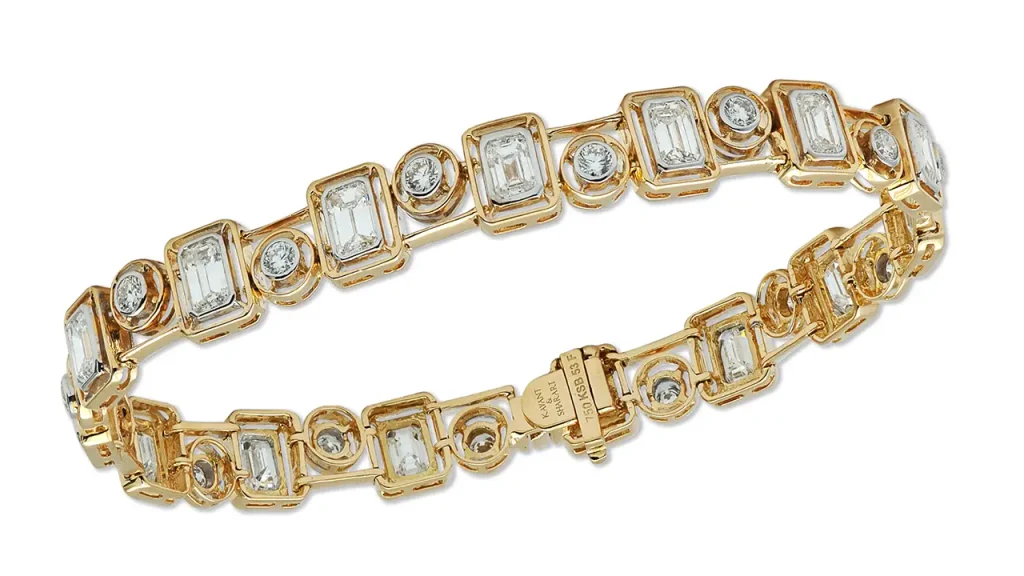
This is an instinct that other interviewees share. Nuttapon “Kenny” Yongkiettakul and Shar-Linn Liew, the husband-and-wife duo behind Bangkok-based Kavant & Sharart, believe strongly in having a “distinct point of view rather than trying to please every type of customer.”
Playing with the particulars
Still, there are some aspects worth adapting to the target market, designers say.
“What I am willing to adjust is the way we tell the story,” says Ghazal. “The presentation, the retail environment, the emphasis we place on certain pieces.”
Joy Haugaard, cofounder of New York-based brand Lionheart, echoes that approach in the jeweler’s Paris and London locations. “The same collection can work across all three markets, but different pieces tend to rise to the surface. It made me more conscious of how I present the work, the imagery, the styling, the story I tell.”
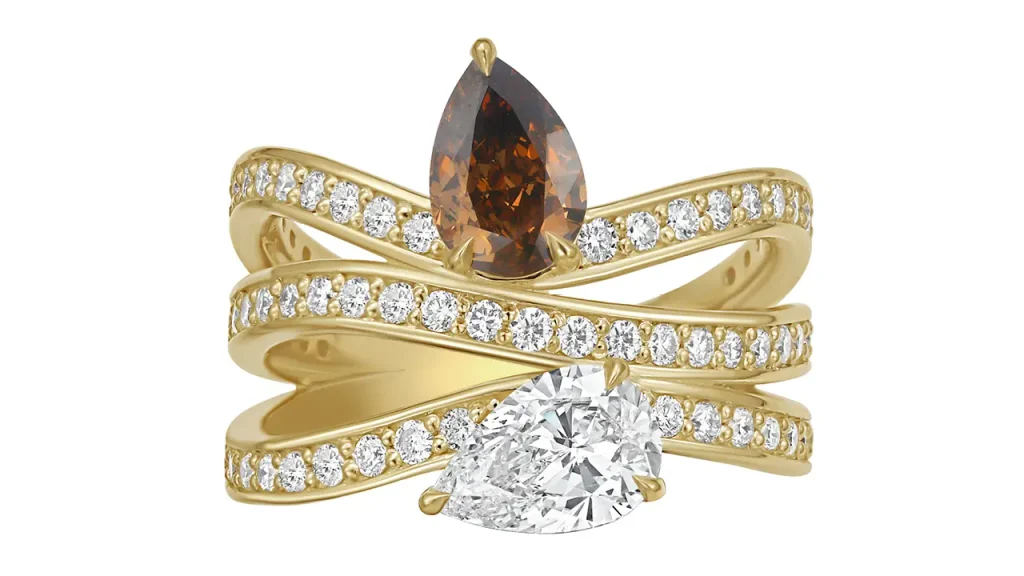
Materials, too, can differ. Amélie Huynh of Paris-based jeweler Statement says her brand leaned harder into yellow and white gold once it entered the US, “because it’s highly popular here,” while European clients gravitate toward rhodium-plated silver and pink gold. Turkish brand Aponine found a similar divide: “In the US, we see a very strong preference for yellow gold, while rose gold has become much less prominent,” reports cofounder Nisa Cakar.
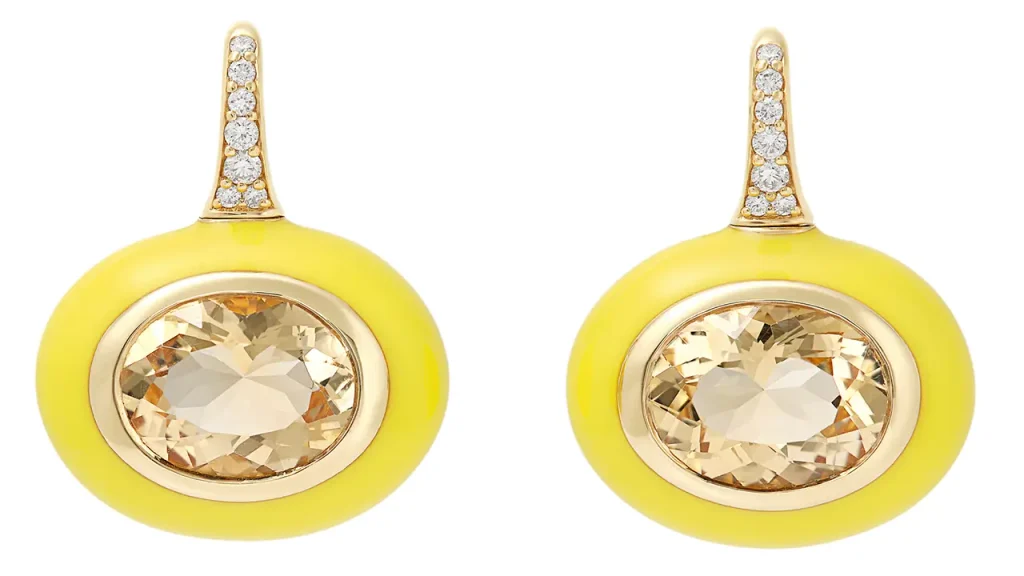
UK-based Robinson Pelham amended pieces’ weight as gold prices climbed. “Our adjustment has been to offer the same design language but expressed with lighter-weight silhouettes,” explains Vanessa Chilton, the brand’s creative director and cofounder, highlighting its Gloria and Tsar Star earrings as an example of “a mega look but with less heavy gold.”
Weight, in fact, continually comes up as the most tangible cultural tell. Tony Goldsberry, founder of Rock House sales agency, has watched international collections land or fail on this detail alone. “There are some cultures that are quite comfortable wearing heavier earrings; however, Americans generally prefer a lighter fit.”
Goldsberry cites Indian designer Sabyasachi Mukherjee’s foray into the American market as the clearest case study of the model working. The brand “took a cultural Indian aesthetic and tweaked it to resonate with a sophisticated American audience.” Its 2026 high-jewelry collection leans on maximalism, pairing colorful gemstones with Georgian and Belle Époque elements.
Mistaken assumptions
What happens when a brand skips this groundwork is its own cautionary tale, comments Lauren Abend, cofounder of PR agency Mega Mega Projects. She points to the most common misstep: “The first assumption is that the new market will respond the way their original market did, which is rarely the case.”
The American preference for lighter-weight jewelry is one example, though Duha AlRamadhan, founder of Kuwaiti fine-jewelry retailer Aubade, has watched the reverse stereotype play out with Gulf clients: “We can’t count how many times people have assumed that with our clientele, bigger is better. We’re not after the intricate, heavier pieces often associated with the region.”
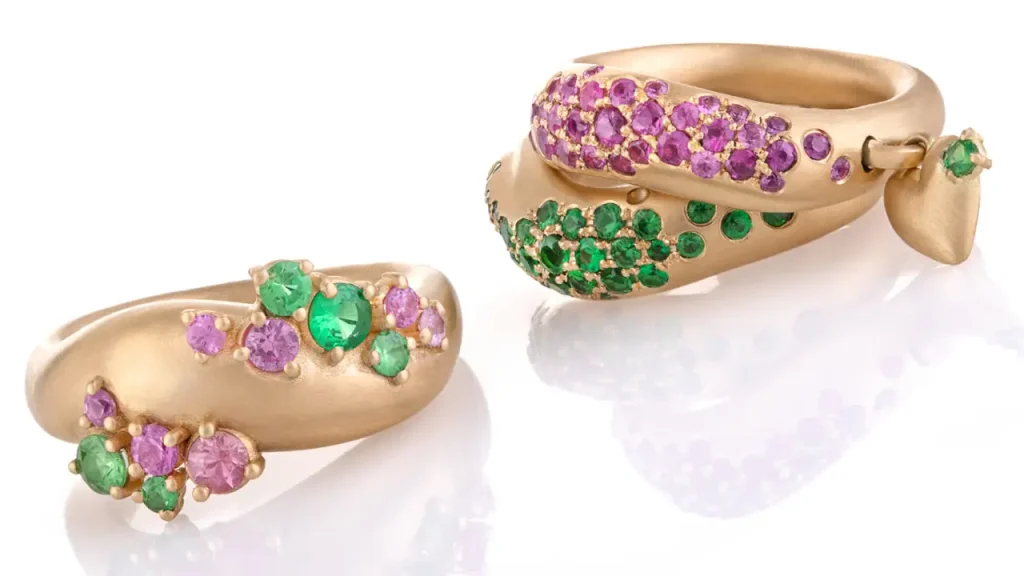
A penchant for boldness does show up vividly in collections by Karina Choudhrie, who splits her time between Dubai and London. At Couture Las Vegas, where she exhibited for the third time this year, she has watched American retailers and press gravitate toward her brand’s most theatrical work. “America is more ready to experiment and style with color,” she says, pointing to her Big Splash Circus collection, which drew crowds “purely because it offers so much joy.”
A good story
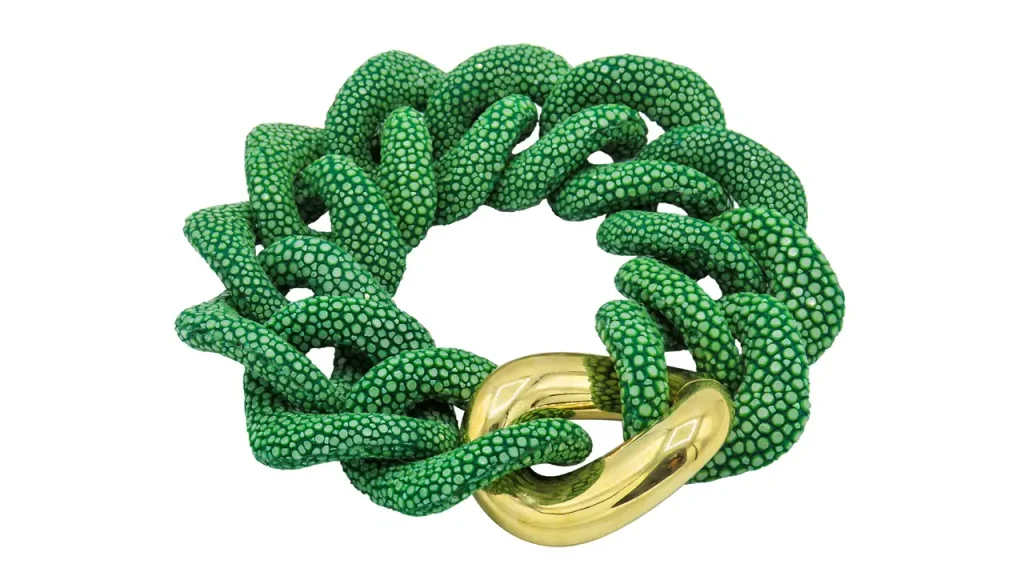
But boldness alone doesn’t explain why a piece resonates. Rosena Sammi, founder of The Jewelry Edit, argues that the real draw isn’t color or carat weight, but narrative. Introducing Antwerp designer Salima Thakker to American clients, Sammi deliberately built the story around sustainability rather than sales projections, hosting a “Caviar & Conscious Luxury” event around Thakker’s upcycled stingray-skin bracelets.
“We wanted to introduce her to clients interested in discovering a brand with a strong point of view,” she relates. “That is the most effective way to introduce a new designer: Find the authentic story that will resonate, and create an experience around it.”
Authenticity is a must, agrees Aubade brand and buying director Harriet Lindsay. “As soon as a designer starts producing a product they don’t personally believe in, it’s amazing how quickly clients can sense that.”
For consultant Francesca Simons, hitting the right notes in a foreign market requires making a disciplined distinction “between what is core to the brand and what is flexible.” Her namesake New York business advises jewelers such as Marie Lichtenberg and Spinelli Kilcollin, both of which have made forays into the Middle East. “Craftsmanship, design philosophy, and sense of rarity should remain consistent,” she says, but “how those elements are presented can be adapted.”
For all that groundwork, though, visibility is still the fastest way to get your foot in the door, according to Simons: “A single piece on [a pop star like] Rihanna or Dua Lipa can compress years of market-building into a season” – a reminder that sometimes a single photograph can make a market pay attention.
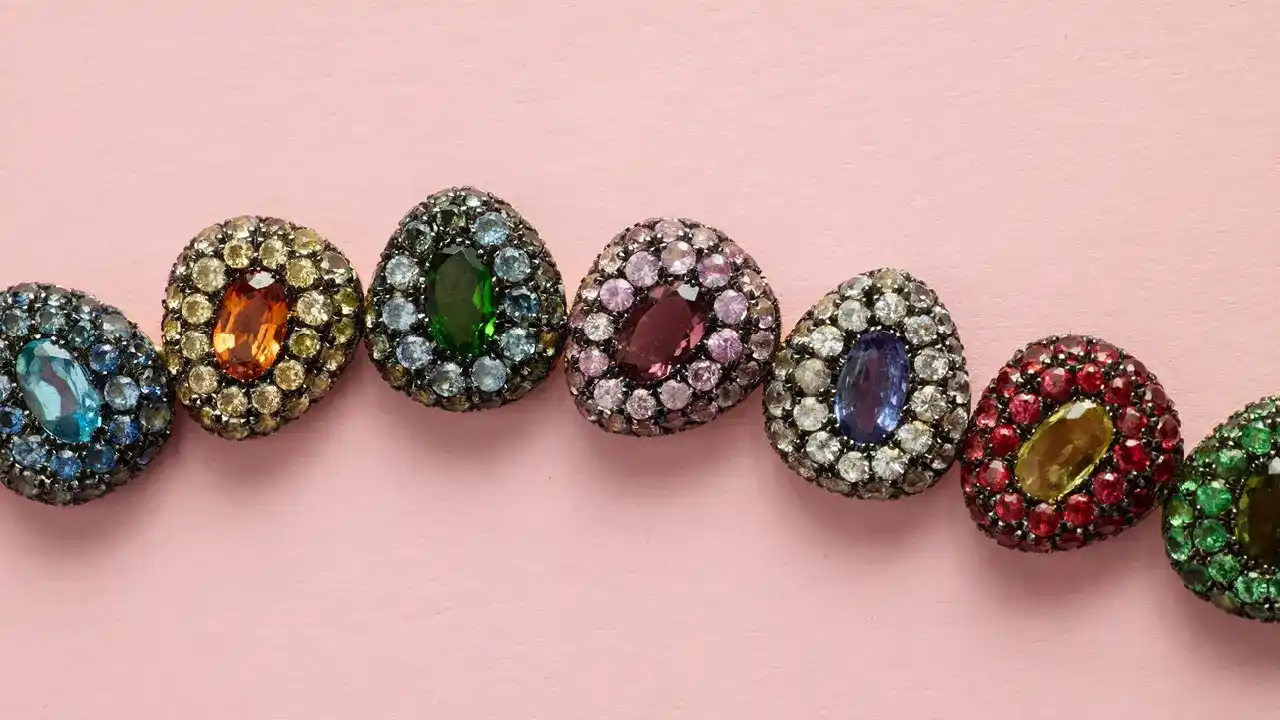
Main image: Aponine Bonbons necklace with precious stones. (Aponine)