

Usually operating from the other side of the desk, jewelry publicist and consultant Francesca Simons got a taste of the power of influencer marketing firsthand last summer. She was on holiday in Greece when she posted a few images to her Instagram of bracelets from Van Den Abeele, a brand she’d just discovered.
“I received over 60 requests from buyers, friends, and people I don’t actually know, all asking if I could buy them one and ship it out,” she says. With 16,400 Instagram followers, Simons would be considered a “micro-influencer” – someone with a following between 10,000 and 100,000 – but with her industry connections and invested community, it translated into significant sales for the jeweler.
“No one knew the brand, and now some big retailers are picking it up just from my Instagram account,” relates Simons, who then took Van Den Abeele on as a client.
Her experience underlines the impact of influencer marketing – brands partnering with social media content creators to leverage their followers. Compared to traditional advertising, it consistently delivers higher returns on investment for most brands while often costing a lot less. It’s only set to grow, too; with a market value of $26.15 billion in 2025, influencer marketing is expected to account for $197.69 billion by 2035.
The method’s effectiveness all comes down to the power of personal recommendations: 92% of people trust those from friends and family above all other forms of advertising. And in this age of parasocial relationships, the people we see every day on social media have become akin to our friends and family – meaning their recommendations can hold a lot more sway.
Size doesn’t matter
But it’s not about partnering with the biggest influencers out there and hoping for the best. Community and engagement are emerging as far more important metrics than follower count. In fact, micro-influencers can have some of the biggest impacts, with an average Instagram engagement rate of around 3.86% – more than triple the 1.21% average of mega-influencers (those with one million-plus followers).
“We don’t always look at numbers or how much of a following they have,” says Bhumi Khimavat, founder of Miraki, which makes customizable modern fine jewelry. “We focus more on the person’s lifestyle, and also the community they have built, because that has such an impact.”
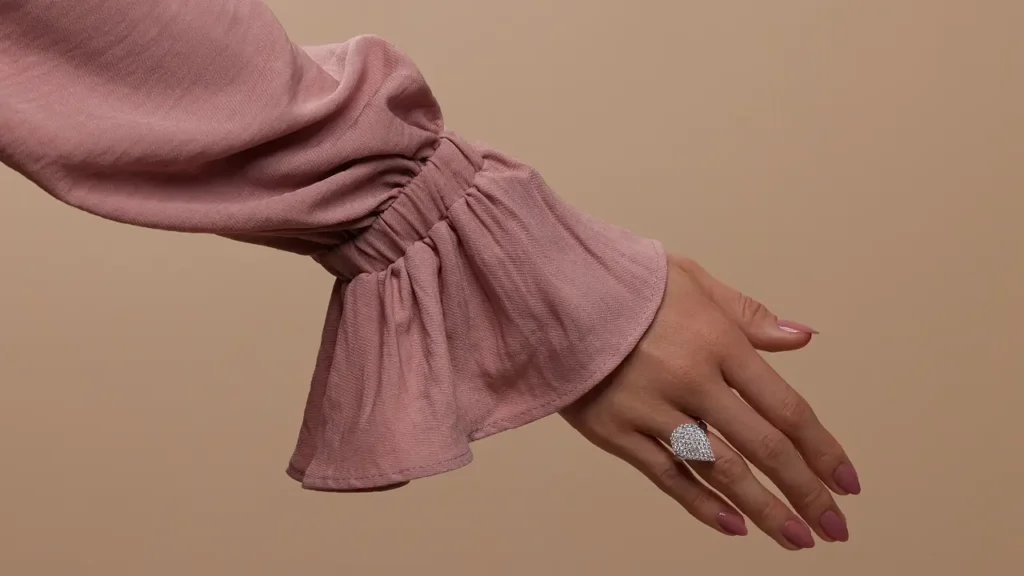
Miraki’s current strategy focuses on organic gifting rather than paid placements, allowing creators to choose pieces they genuinely like and post about them if they want to. The brand works with micro-influencers like Kristel Kalm (60,000 followers), as well as larger macro-influencers with 500,000 to one million, like Vidya Gopalan (593,000). “It’s been really good for us so far,” says Khimavat.
The authentic connection
For jewelry brand strategist Kate Baxter, it’s not so much about size or about paid-for versus organic content; it’s about authenticity. “Finding a collaborator whose position and point of view feel aligned with yours, or who is someone you admire, and taking your followers on a journey that grows is where the true value lies,” she says.
Baxter argues that these relationships need to go way beyond the “gift it and see” model. “Authentic collaborations that involve both parties feel the most powerful right now – for example, picking a celebrity outside of the jewelry world and working together on a bespoke piece.”
A recent example is New York jeweler Catbird’s partnership with Japanese Breakfast, the online name of musician and author Michelle Zauner (575,000 followers), on a collection inspired by her memoir Crying in H Mart.
Such collaborations bring stronger, more genuine elements that followers can feel through the screen. “A ‘traditional’ affluent lifestyle influencer wearing a ‘#gifted’ product without any backstory can feel inauthentic and out of touch with the public,” says Baxter.
Gambling on mega?
Big names also don’t always lead to conversions. Simons recently sent some pieces to a mega-influencer for a shoot. Although she posted and tagged the brand, it didn’t lead to any sales. “It was gorgeous coverage, and there was a lot of traction, but there was no return on investment,” she says.
For her, this was because the price wasn’t right. Products under $3,000 are the sweet spot on social media, according to Simons, and the pieces sent were far above that. “Price is a massive part of influencer marketing,” she says. “Being able to sell pieces that are at a lower, more affordable price point has a lot to do with it.”
That’s not to say that partnering with mega-influencers – celebrities, essentially – has no effect at all for jewelry brands. “It’s more about that coverage and saying that these massive celebrities are fans of the brand, which then supports retailers,” says Simons. “Retailers want to know that celebrities are wearing those brands. It legitimizes them and makes them stand out from the crowd.”
Miraki has also had success through celebrity association. Taylor Swift wore one of its tennis bracelets, prompting “significant sales,” according to Khimavat. And the singer’s old mine-cut diamond engagement ring has had a stratospheric effect on business for jeweler Kindred Lubeck, the piece’s designer.
But such a win is the Holy Grail for any brand, and impossible to plan into a marketing strategy. More practicable is Baxter’s advice to her clients to “build long-lasting relationships with unexpected influencers and partners, tell genuine stories of connection, and take the customer on a journey. That way, the word spreads, and you can truly build your brand perception over time.”
Investing in influencer marketing is a no-brainer for Khimavat, a Gen Z digital native. “If I’m going to buy something, I will first search it up on Instagram and on TikTok, look at people’s reviews, see how it can be styled, and then buy it,” she says. “If you want to grow as a brand in this day and age, social media is the only way to do it.”
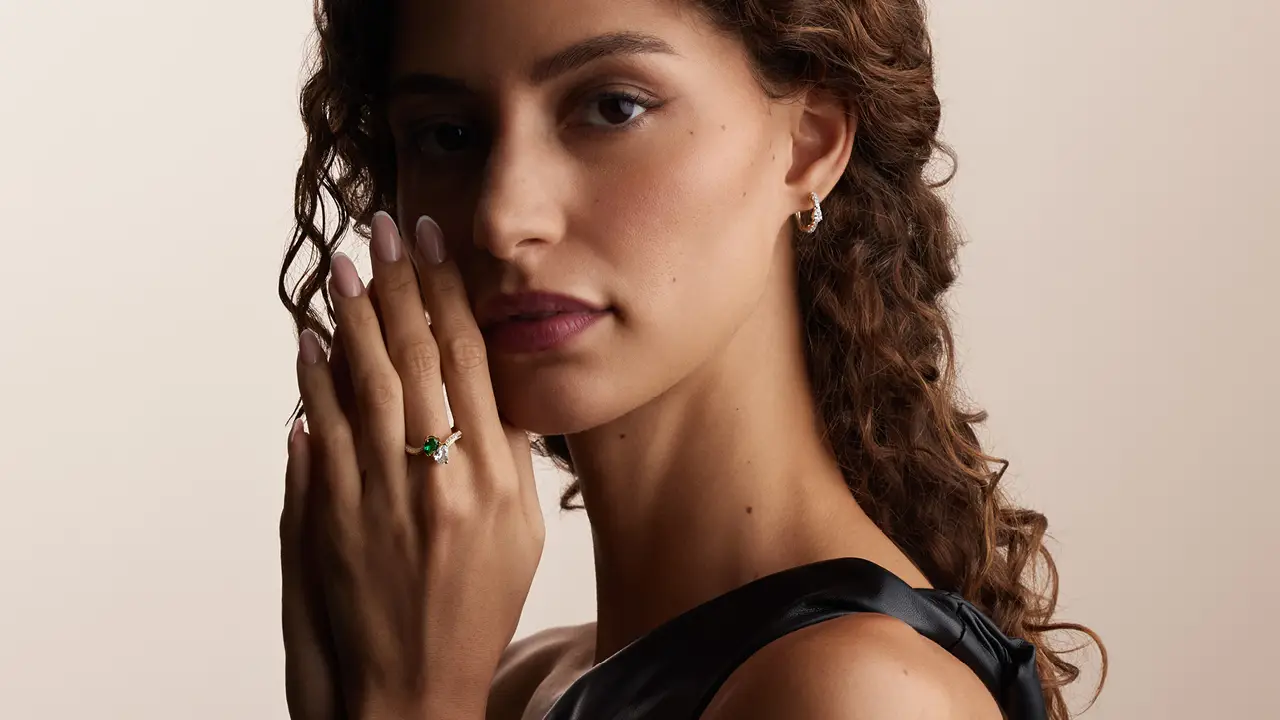
Main image: Miraki jewelry on model. (Miraki)