 WhatsApp
 Email
Email
 Facebook
 Twitter
 LinkedIn
I recently had a conversation with someone new to the industry who asked me: Is bridal important for jewelers? I was left slightly dumbstruck by this genuine question. To me, an affirmative here is a no-brainer: It has always been, and continues to be, the backbone of most retail businesses. But I can understand the curiosity, particularly with sliding marriage rates and a rise in women self-purchasing jewelry.
While I’ve used the term “bridal” here initially — it’s the accepted industry standard, and you will see it throughout the September-October issue of Rapaport Magazine — I’m now going to switch to “commitment jewels.” I believe it’s a much more inclusive descriptor for a diversifying category that serves many other people besides the bride.
The reason I maintain that commitment jewelry is so important is that it is both gateway drug and pinnacle. For some, an engagement or wedding ring is the first serious fine-jewelry purchase they make, and it gives them the confidence to make many more. For jewelers — even those who don’t specialize in commitment rings — these tend to be high-value and reliable sales.
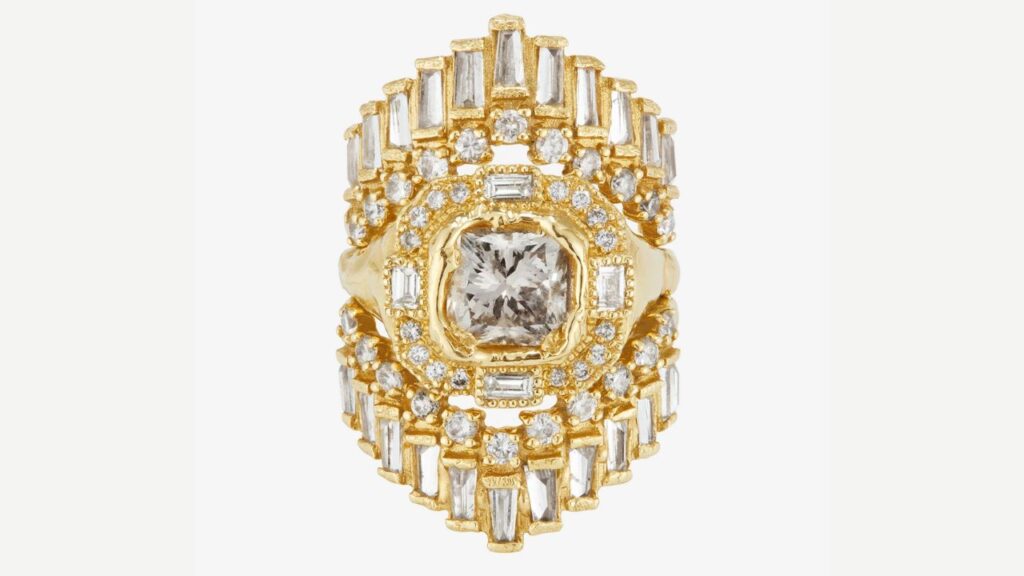
So yes, commitment jewelry is important to our industry. And while the world keeps throwing curveballs, the desire to commemorate love by putting a ring on it holds steady. In fact, it has intensified: A report from analyst McKinsey & Company claims that “the traditional three-year cycle of engagement to marriage” has reemerged following the disruption that resulted from the pandemic, and this is giving buying teams a great sense of security.
While love most definitely conquers all, it also takes many forms. Read Rapaport Magazine’s in-depth report on the market to discover the key trends shaping the ring choices of today’s lovers.
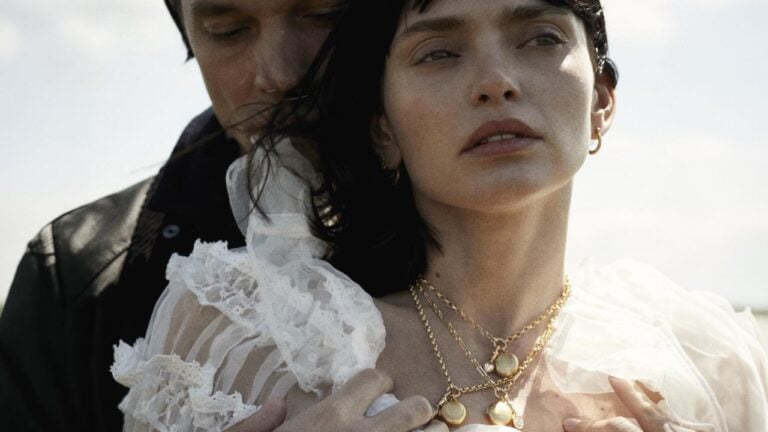
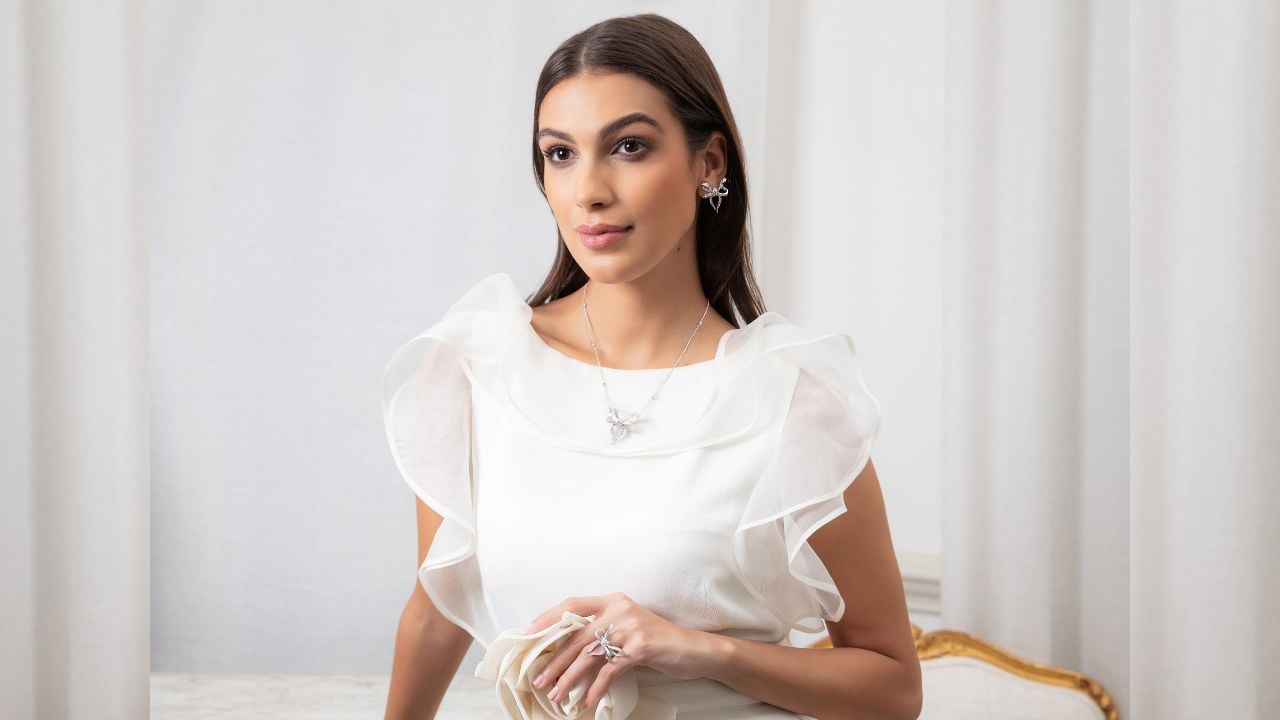
Main image: Model Maria Clara Lima from Nevs Models wears jewelry by Vanleles. (Simon Martner)