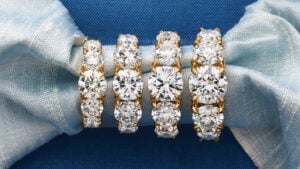

Do you know who needs a jewelry watch right now? Absolutely nobody. With red-carpet events, gala dinners and even office get-togethers seemingly still out of reach, timepieces bedecked with diamonds seem irrelevant. So why have watchmaking maisons continued to produce a flurry of designs luxe enough to make you feel the need to slip on a pair of white gloves just to look at them through a screen?
The answer is that luxury houses are thinking ahead. Though it’s difficult to imagine right now (as you read this in sweatpants), there will come a time in the not-too-distant future when we emerge from our Netflix-and-chill cocoons. And when we do, we are going to want to party — hard.
Some trend analysts are referring to this gleeful post-pandemic premonition as the Roaring ’20s. Just as flappers and speakeasies exploded from the rubble of World War I, we will shear the slippers from our feet a century later in celebration of rediscovered freedom, digging out all our best jewels — and timepieces — for those first bacchanalian fits of revelry. Or at least dinner with friends.
Along with the likely rise in the sale of high heels, tuxedos, tiny bags and anything with the hint of a sequin, we will feel the desire grip us to splurge on bejeweled watches. The glare of the diamonds in the sunlight will leave zero doubt that we have left the house, and that it most certainly is not for groceries.


To Market Natural Diamonds, The Entire Trade Must Do Its Part
No single company can carry the responsibility for reinvigorating interest in our product, nor should it.
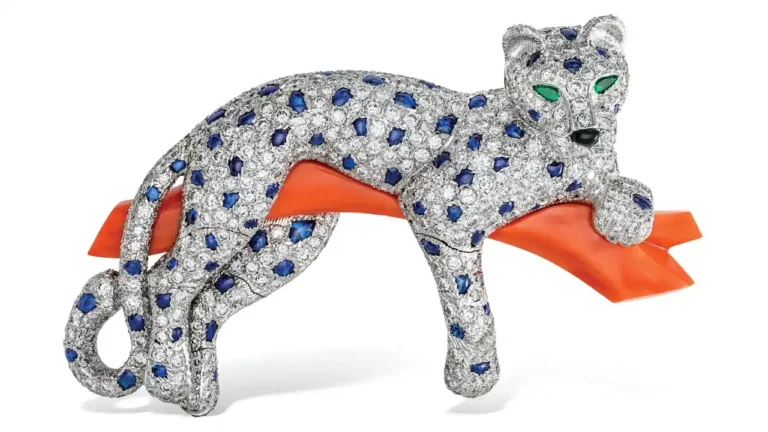
What Can Diamond Marketers Learn from Other Sectors’ Campaigns?
Instead of rehashing the same old advertising that hasn’t worked in years, the industry needs to offer a real sense of connection, experts say.
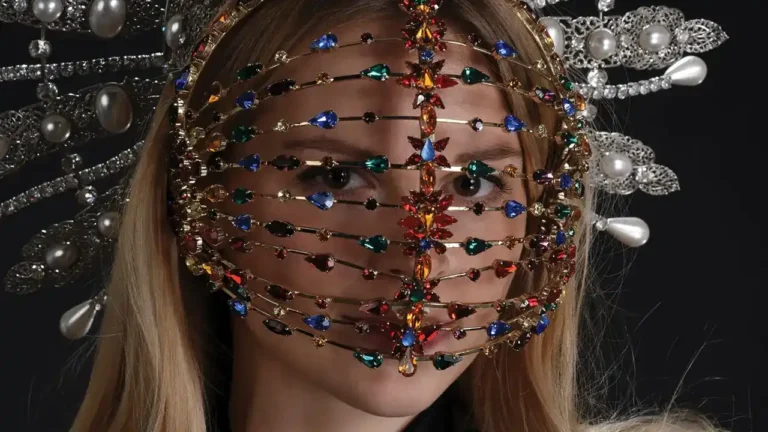
The Luxury World’s Authenticity Crisis
As AI-generated content floods feeds and brand messaging becomes increasingly homogenized, jewelry marketers face a new challenge: proving what is real.