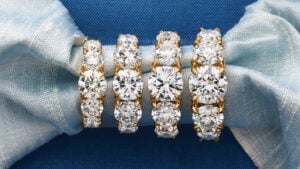

Like many throwbacks to the 1970s — flares, bell sleeves, crochet, the gender pay gap — charm jewelry is on the rebound in 2020. Unsurprisingly, in a year that has left us scared and confused, this comforting concept is winning over consumers.
There are a number of reasons why now is the right time for charms. First off, we can fill our chains with tiny emblems of protection that feed our need for talismans. While an evil-eye charm won’t ward off the coronavirus, there’s still a tiny part of us that believes it might. Secondly — and perhaps more importantly — charms are fun, and collecting them is delightfully diverting. In these reflective times, consumers might want to look back through their lives to highlight moments of meaning. British jeweler Annoushka is capitalizing on this sentiment with a new bespoke charm service, creating one-off gold interpretations of milestones that can go on a bracelet, necklace or earrings.
Other charm selections feel more playful, tapping into the pandemic-fueled escapism trend. Robinson Pelham has joined the gang of designers creating expensive gemstone versions of what look like kids’ plastic bead bracelets, adding intersecting gold hoops for ease of charm-slinging. Marla Aaron, meanwhile, has fully embraced the recess feel with precious new charms that act as working pulleys and pin-art toys.
Protective, reflective, fun: just some of the reasons luxe charms are giving us all good vibes right now.


To Market Natural Diamonds, The Entire Trade Must Do Its Part
No single company can carry the responsibility for reinvigorating interest in our product, nor should it.
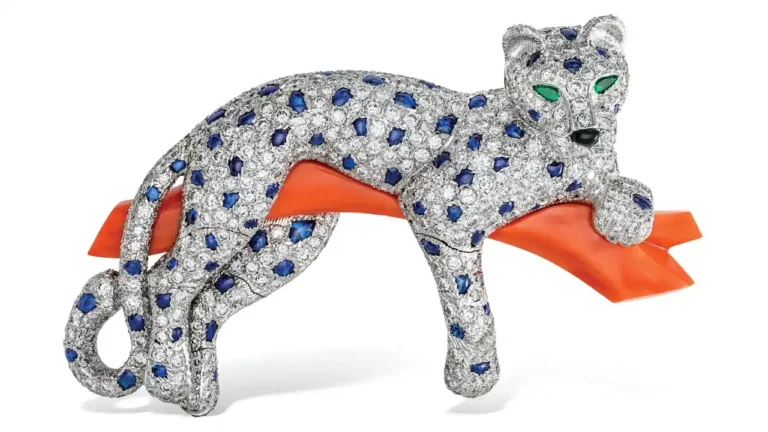
What Can Diamond Marketers Learn from Other Sectors’ Campaigns?
Instead of rehashing the same old advertising that hasn’t worked in years, the industry needs to offer a real sense of connection, experts say.
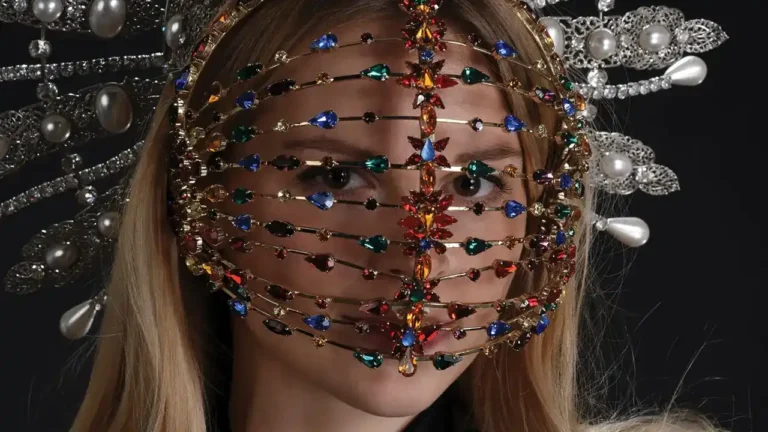
The Luxury World’s Authenticity Crisis
As AI-generated content floods feeds and brand messaging becomes increasingly homogenized, jewelry marketers face a new challenge: proving what is real.