

When Olivia Sugarman was growing up, jewelry was a constant. Her mother was a jeweler, and from a young age, tools, materials and conversations about craft were a familiar backdrop. “Watching something meaningful take shape by hand made me aware early on that jewelry carries emotional weight beyond its materials,” she says. “It also allowed me to understand that my creative instincts could be expressed through metal.”
A mix of hands-on experience and formal training shaped her path into the industry. Sugarman, who is based in Oceanside, California, apprenticed under her mother before studying in the graduate jeweler program at the Gemological Institute of America (GIA) and taking an engraving course at the GRS Training Center. “Building my work on traditional techniques was important to me because they create a level of integrity and longevity that cannot be replicated through shortcuts,” she says. “These methods have survived for generations because they work and because they allow the maker’s hand to remain visible.”
Hand-engraving became a central focus, valuable for the level of precision and time it demands. “That human presence is essential to how I want my jewelry to be experienced,” she says.
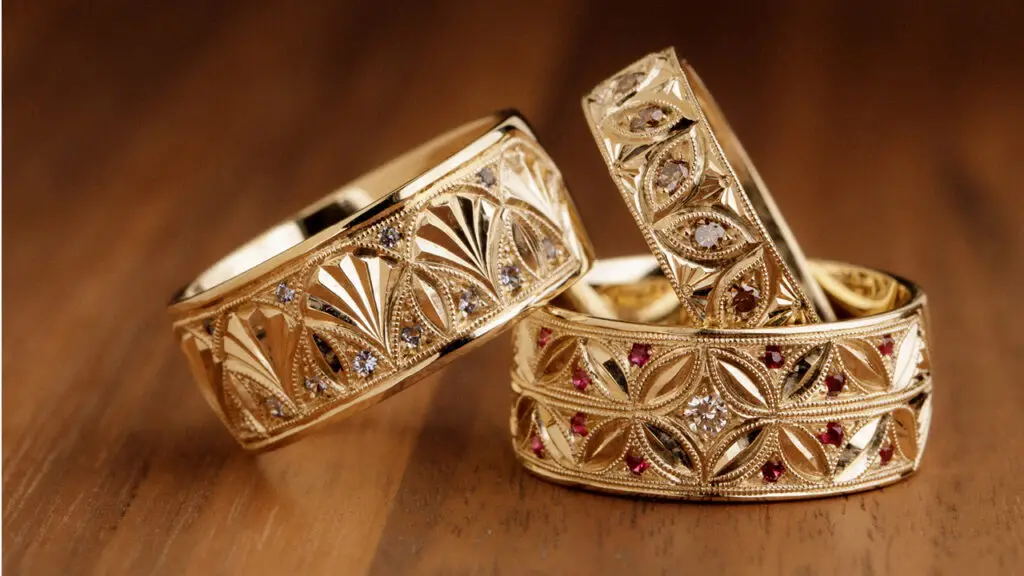
Today, Sugarman creates bespoke pieces emphasizing proportion and small, thought-out details. “I am less interested in what is popular in a given moment, and more interested in what will still feel considered years from now,” she says. “By grounding my designs in classical forms and refining them through my own lens, the work remains current without being reactive.”
Being a second-generation designer has informed both her approach and her view of what jewelry means. “From my mother, I learned that jewelry is rarely just decorative; it is tied to moments, relationships and personal history. That awareness guides every decision I make, from stone selection to construction.”
Sugarman believes her clients are seeking more than aesthetics. “They are often looking for jewelry that reflects their values, their story, or a specific moment in time,” she says. “Bespoke work offers permanence and individuality, something that feels deeply personal rather than interchangeable.”
Indeed, each of her jewels begins with a conversation. “Design decisions are made with longevity in mind — not just how the piece will look today, but how it will age and be worn,” she explains. “From the engraving patterns to the structural choices, everything is considered through the lens of meaning.”
Looking ahead, she plans to expand her offering through further bespoke work, a refined bridal line, and more structured made-to-order collections.
“My goal is to create enduring pieces, objects that are worn daily and passed down. In terms of legacy, I want my jewelry to be remembered for its honesty, craftsmanship and emotional resonance,” she states. “If my work becomes part of someone’s life story, then I feel I have done my job.”
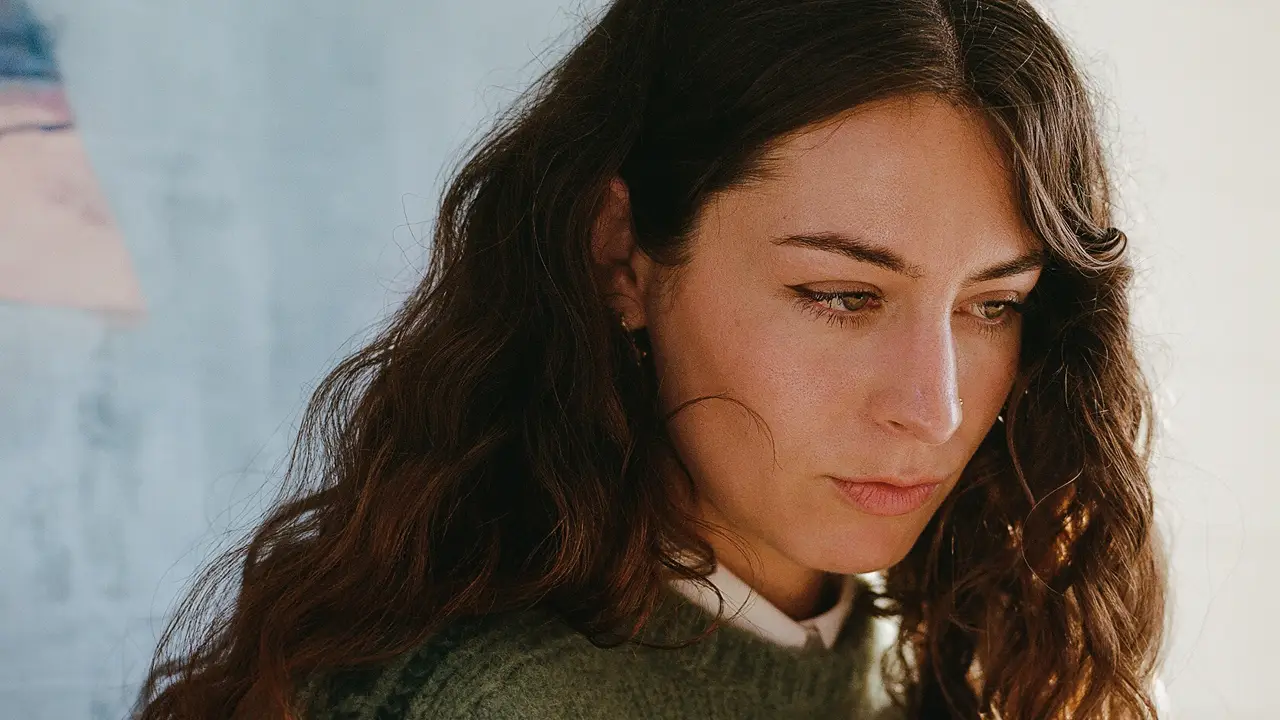
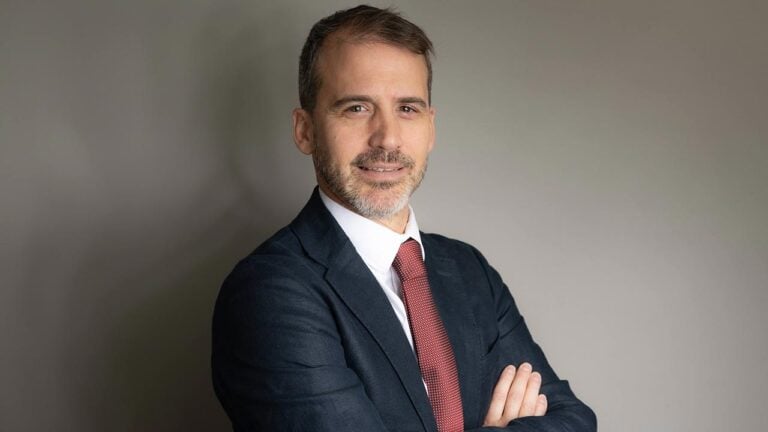
Main image: Olivia Sugarman. (Olivia Sugarman)
What Does Love Look Like? Not Out-of-Touch Lab-Grown Messaging
The natural-diamond industry won’t attract couples by telling them synthetics devalue their relationship.
Bridal Shopping in the Age of AI
Couples are researching online, but they still want to make the ring purchase personal – and that creates opportunities.
Six Brands Serving Fresh Engagement-Ring Designs
Whether it’s hand-sculpted organic gold or reimagined divorce jewels, these designers are setting trends that resonate with bridal shoppers.