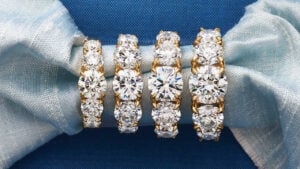



The world’s oldest diamonds
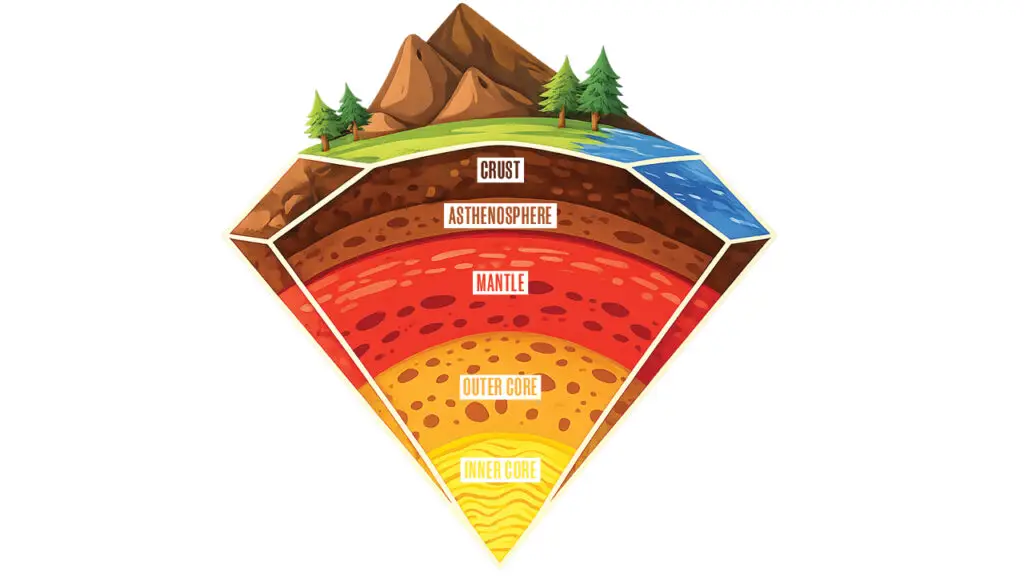
The oldest identified diamonds on Earth were found in 2007 in Australia’s Jack Hills region. These diamond particles date back 4.25 billion years and changed our understanding of how quickly the planet cooled after formation. Trapped in zircon crystals, these ancient diamonds formed under intense pressure. Their presence suggests that it took only about 200 million years for Earth’s surface to cool, enabling water to condense and oceans to form on a crust that developed far earlier than geologists once thought. The discovery challenges the traditional view of early Earth as a mass of molten lava, revealing instead a planet that stabilized much more rapidly.
Giving back
The diamond industry directly or indirectly supports an estimated 10 million people globally. About 80% of the value that diamond mining generates goes toward local communities, improving health and education systems, employment opportunities, infrastructure, safety, and environmental protections.
The ABC(D)s of Victorian jewelry
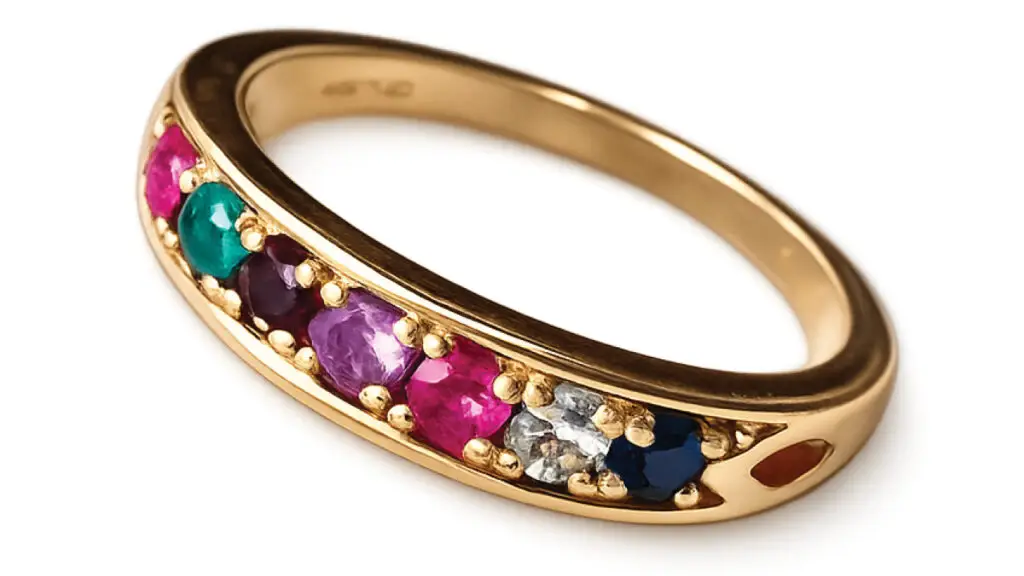
Among other things, the Victorian era gave birth to acrostic jewelry, using diamonds and gemstones to spell out clever hidden messages of love via their initials. Some of the most popular messages to convey in gem form included:
• DEAREST (diamond, emerald, amethyst, ruby, emerald, sapphire, topaz)
• REGARD (ruby, emerald, garnet, amethyst, ruby, diamond) — common in early courtship or between friends
• The intensely personal ADORE (amethyst, diamond, opal, ruby, emerald)
Main image: African children at school. (Shutterstock)
What Does Love Look Like? Not Out-of-Touch Lab-Grown Messaging
The natural-diamond industry won’t attract couples by telling them synthetics devalue their relationship.

Bridal Shopping in the Age of AI
Couples are researching online, but they still want to make the ring purchase personal – and that creates opportunities.
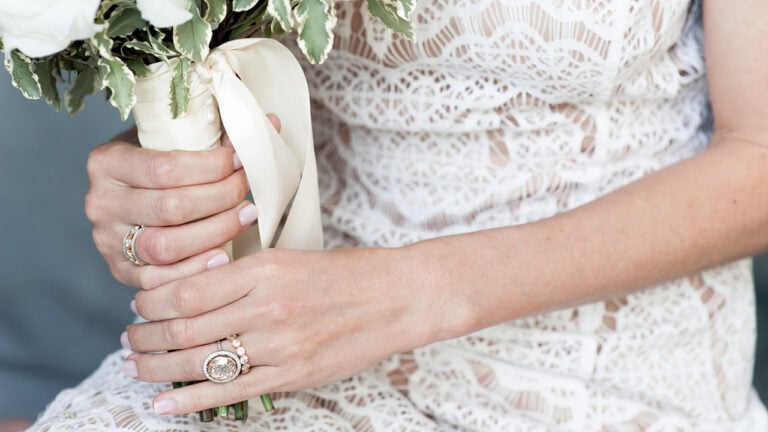
Six Brands Serving Fresh Engagement-Ring Designs
Whether it’s hand-sculpted organic gold or reimagined divorce jewels, these designers are setting trends that resonate with bridal shoppers.