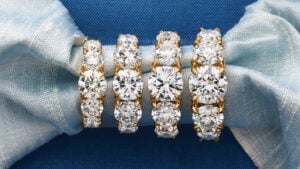

Image background: Shutterstock
For some, the 1980s were notable for notorious fashion moments and dubious hairstyles. However, the bold, gold jewels of this era were a stellar chapter in jewelry history, and one that is much in demand now.
Fashion houses Chanel and Gucci have both released fine-jewelry collections that take inspiration from the decade, with the voluminous quilted gold jewels of Coco Crush and the genderless, geometric Gucci Link to Love line. Other brands have sought to recreate the heft of the era with curvaceous earrings, heavy chains and gem-centric statement rings.
At auction, demand for original ’80s jewels has also risen sharply, according to Violaine d’Astorg, head of jewelry at Christie’s France. She points to a gold and enamel Cartier zebra bracelet with diamonds and emeralds that was listed for EUR 15,000 ($19,800) in December but sold for more than EUR 81,000 ($106,920).
“Gold and diamond jewelry from the ’80s has long been a staple in the vintage market, and now that desire for bold, weighty jewelry is reflected in contemporary design,” affirms New York-based vintage dealer Jill Heller, who specializes in jewelry from that era. “The resurgence of this style comes from consumers’ need to see and feel what they’re investing in. The moment you encounter a piece of ’80s jewelry, there’s an unmistakable luxury to it that is hard to replicate.”


To Market Natural Diamonds, The Entire Trade Must Do Its Part
No single company can carry the responsibility for reinvigorating interest in our product, nor should it.
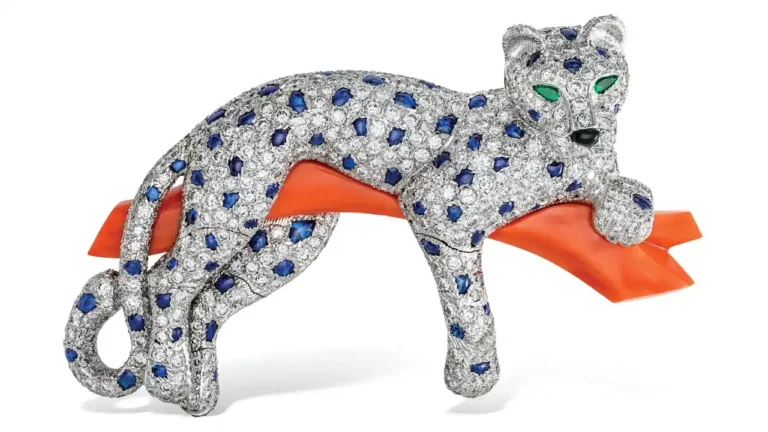
What Can Diamond Marketers Learn from Other Sectors’ Campaigns?
Instead of rehashing the same old advertising that hasn’t worked in years, the industry needs to offer a real sense of connection, experts say.
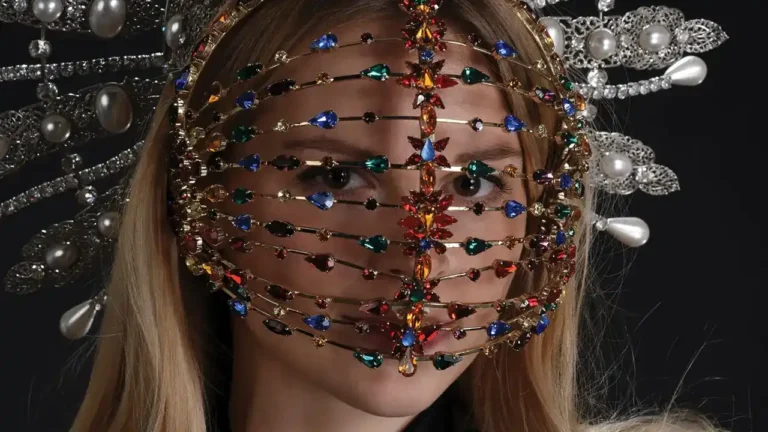
The Luxury World’s Authenticity Crisis
As AI-generated content floods feeds and brand messaging becomes increasingly homogenized, jewelry marketers face a new challenge: proving what is real.