Having adjusted to the major changes that occurred in 2020, the diamond trade is in an unusual position this year. The market has diverged into two streams: those centers where the economy is open again, and those still facing sporadic outbreaks of the coronavirus.
Overall, the trade continues to benefit from the Covid-19 dynamic, as consumers are not yet spending on travel and experiences the way they used to. They’re saving more, which leaves more dollars to spend on diamonds and other luxury items. But travel will return, and competition for discretionary spending will heat up again.
For now, the important consumer markets in the US and China are seeing a robust recovery in jewelry sales. At the same time, there is still a bottleneck of supply in India, the main polished-diamond distribution center. That makes for a complicated and volatile market with supply and demand trends that are difficult to predict. Meanwhile, other dynamics are influencing the trade as well, requiring it to adjust to a new reality.
As we pass the halfway point of 2021, we have identified five themes that will characterize the market in the second half of the year and likely exert influence in the long term.
Sign up for Rapaport Newsletters
Get the trade’s most trusted news, analysis and data delivered to your inbox daily.
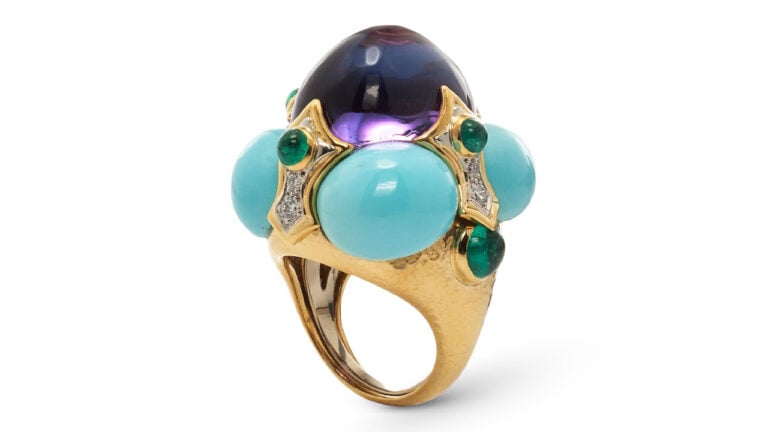
From his signature animal bracelets to his Art Deco-inspired sautoirs, the New York designer injected a burst of youth and boldness into the mid-20th-century jewelry scene.
Auction houses, secondhand sellers, and jewelry insurers weigh in on which timepiece brands are the most popular, who’s buying them, and how much they’re paying.

 WhatsApp
 Email
Email
 Facebook
 Twitter
 LinkedIn