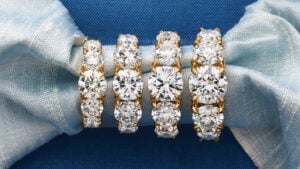

Bright and bold jewelry isn’t just for summer. As the past few seasons have proven, the rainbow has well and truly been released in fine jewelry, and enamel is a popular way to add a splash of color to jewels.
In vintage or antique pieces, it was often used to bring naturalistic details, such as flower petals, to life. Today, the material has a more prominent role to play, adding blocks of color that give jewels a playful Pop Art edge or creating vibrant, surreal wildlife motifs.
The type of enamel can vary depending on the quality and aesthetic of the design. Champlevé calls for artisans to engrave into gold and then wet-pack the enamel into the decorative recesses, while the popular plique-à-jour technique creates a stained-glass effect with windows of color. Enamel can also simply be painted on, either by hand or machine.
While enamel is most often used to bring a bright zing to designs, it can also act as a neutral. The white variety provides a spectacularly crisp backdrop to colored gemstones such as emeralds or yellow diamonds. Regardless of the enamel’s shade, this slick and shiny treatment is a tactile transformer that is keeping jewelers engaged.


To Market Natural Diamonds, The Entire Trade Must Do Its Part
No single company can carry the responsibility for reinvigorating interest in our product, nor should it.
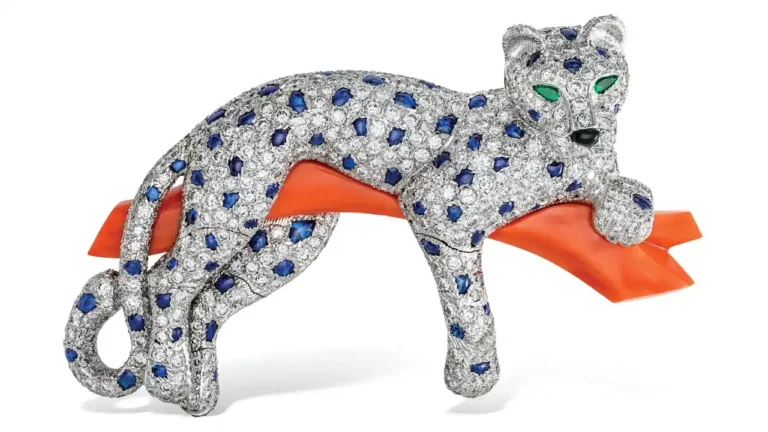
What Can Diamond Marketers Learn from Other Sectors’ Campaigns?
Instead of rehashing the same old advertising that hasn’t worked in years, the industry needs to offer a real sense of connection, experts say.
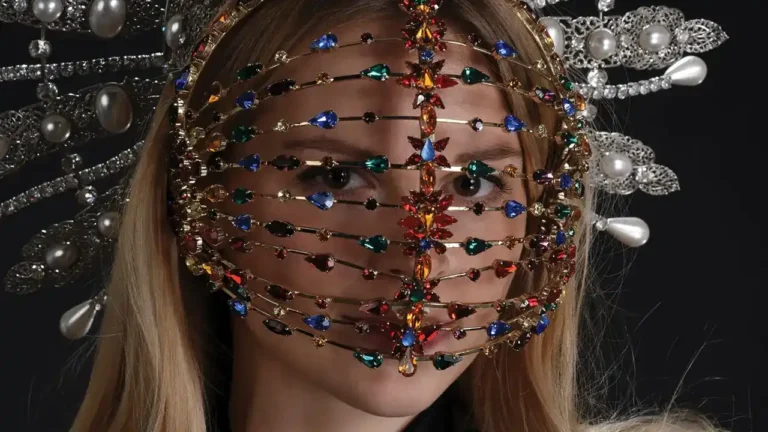
The Luxury World’s Authenticity Crisis
As AI-generated content floods feeds and brand messaging becomes increasingly homogenized, jewelry marketers face a new challenge: proving what is real.