

Second-floor showroom. Warehouse-turned-art salon. Coffee-shop vibe. Jewelers John Thomas Mead, ilah Cibis and Chelsea Mead had creative ideas about what their retail businesses could look like, and how customers should feel when they walk in. Their closing ratios for custom engagement rings show that unconventional business models can work.
John Thomas Jewelers
Albuquerque, New Mexico
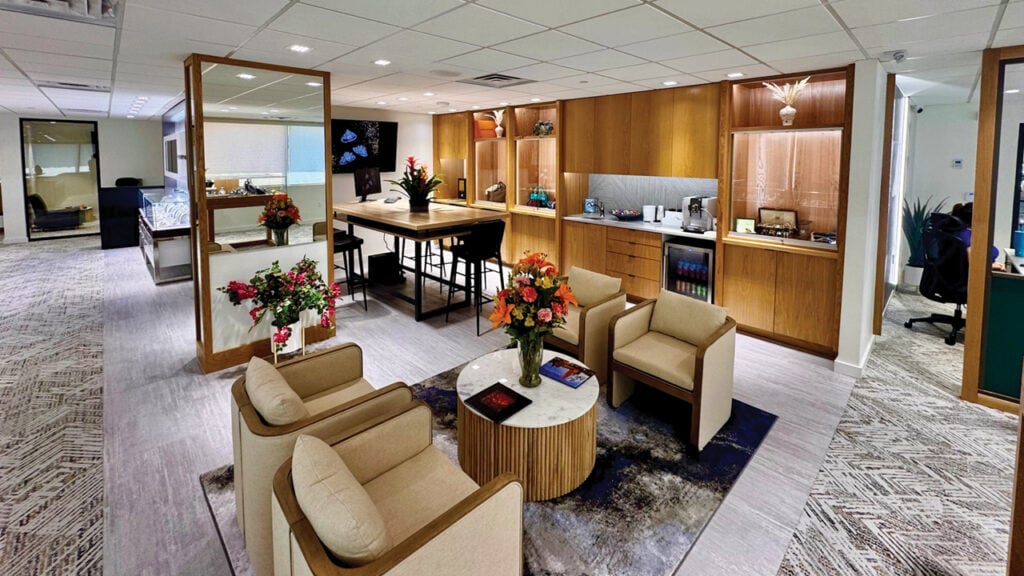
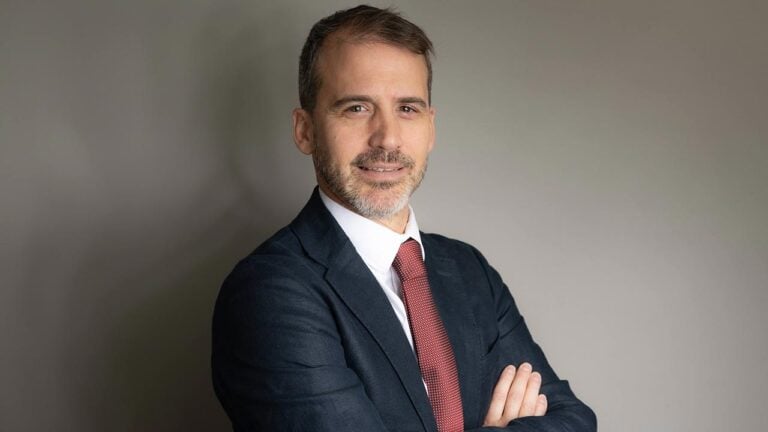
When the partnership behind John Thomas Mead’s first Albuquerque jewelry store collapsed in 2012, he started over with almost nothing: 1,500 square feet on the third floor of an office building, no exterior signage, and no inventory beyond alloy samples and borrowed fashion jewelry. But customers who found him were there on purpose, and they bought.
“Your closing ratio is so much higher when you’re off the street level, because people are intentionally coming to visit you,” says Mead, who claims a 91% closing rate. If they don’t seal the deal on the first visit, they usually return within a few days, or even 15 minutes after they leave.
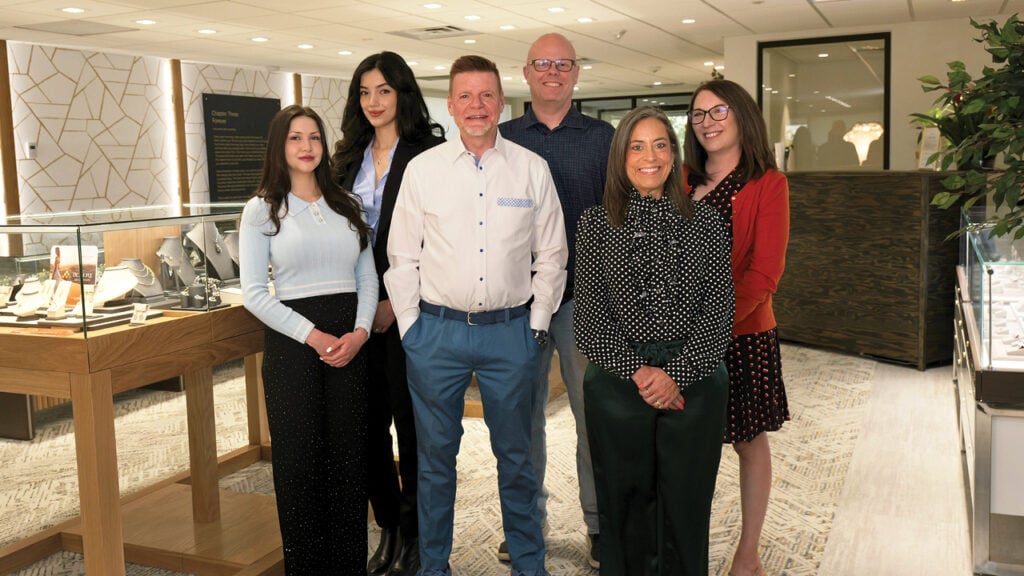
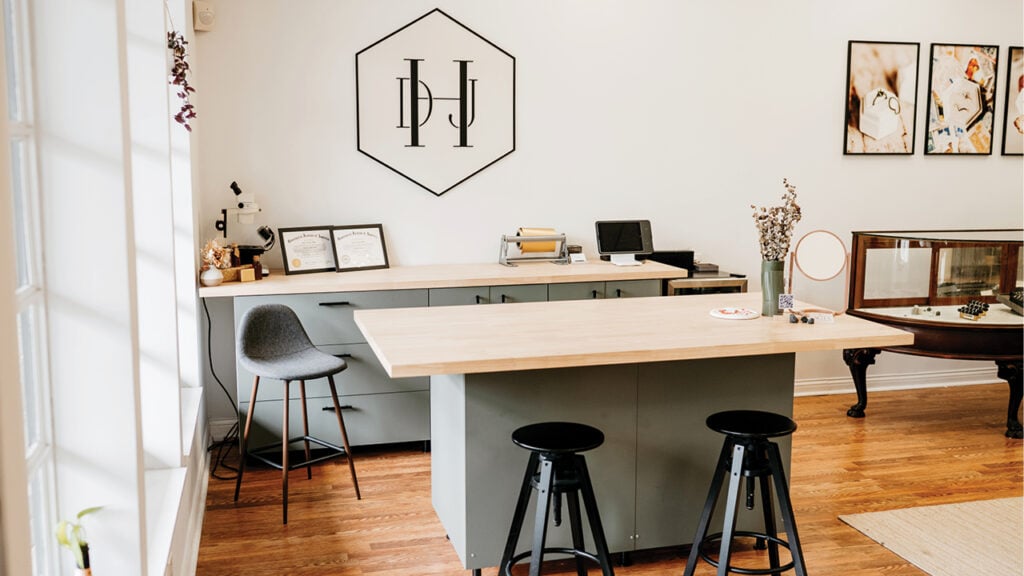
In March, Mead moved his business into a 50,000-square-foot, three-story office building that he bought with partners. The new 2,200-square-foot showroom has sit-down consultation stations to let customers relax, but speed is also engineered into the experience. Customers watch their rings being designed on screen, handle a 3D-printed prototype within minutes, and have their pieces made on site. The shop is visible behind floor-to-ceiling glass walls.
Of the store’s bridal sales, 68% are custom. Mead keeps about 3,000 alloy semi-mounts on hand, and only about $27,000 in live bridal inventory. His average engagement-ring sale this year is $6,538, but he’s sold rings ranging from $1,500 to $250,000. Natural diamonds lead in revenue, lab-grown diamonds in units sold.
“The last couple of months were 60% to 70% ahead of last year’s pace,” says Mead, who anticipates revenues of $4 million this year.
Honey Designs Jewelry
Cincinnati, Ohio
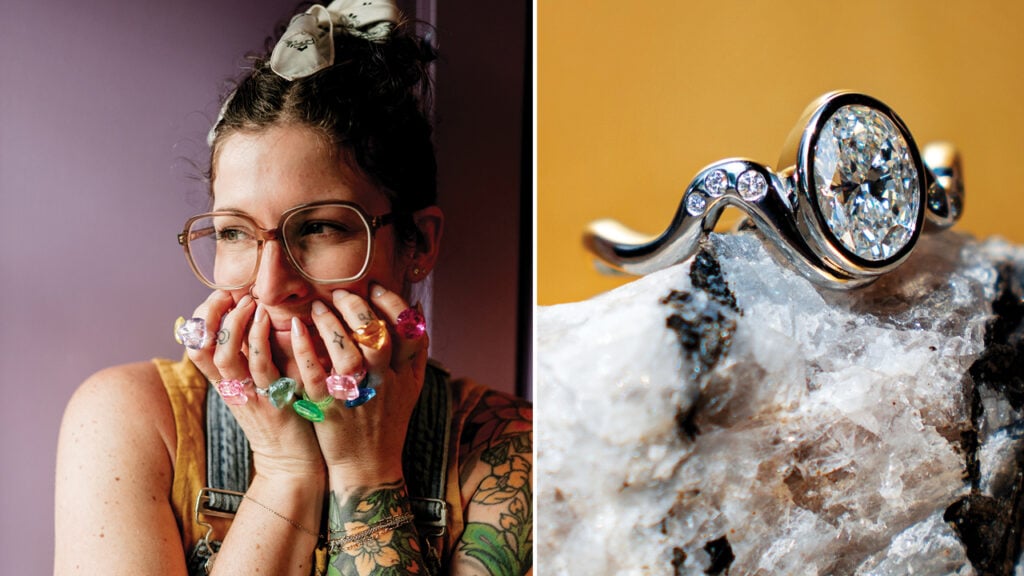
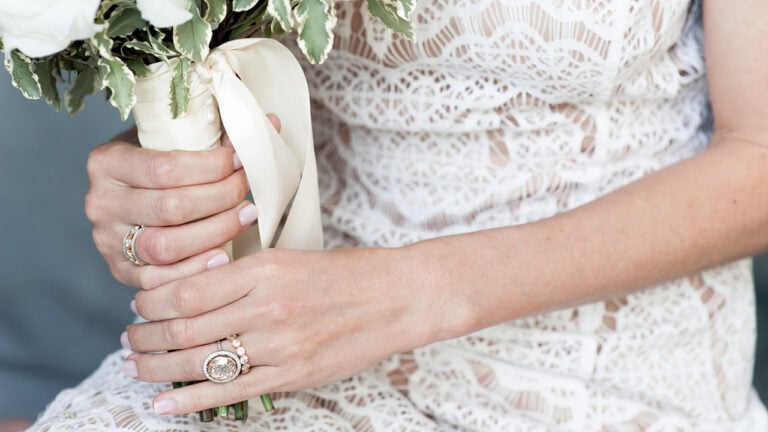
Chelsea Mead launched her custom engagement-ring business in Cincinnati in 2015. Initially she met clients at a coffee shop, helping plan proposals and becoming an ordained minister to officiate their weddings.
She has since opened an appointment-based storefront and relies on a network of professionals to facilitate the proposals, but the coffee-shop vibe is still there: a brew bar, a countertop selling situation, and the smell of fresh coffee in the air. Permanent jewelry parties keep the space feeling social and bring prospective brides through the door in a casual way.
The intimate experience hasn’t changed. “Clients become friends a lot of times because it’s a tailored, one-on-one experience,” she says. “It’s all about their needs and being fully custom rather than trying to get a sale.”
Mead’s client base has included a large same-sex following since the beginning, because couples can easily design whatever they want without falling into gendered jewelry conventions.
Education is central to how she sells. She walks clients through the differences between lab-grown and natural diamonds – correcting myths and being realistic about pricing – and lets the facts do the work.
If couples remain undecided, Mead will sometimes share an observation that supports the natural-diamond story from her perspective: “In 11 years in my business, any couple that has wanted lab specifically because they want the center stone to look bigger are no longer together as a couple,” she says.
About 80% of her diamond clients choose a natural center.
Color is also increasingly popular both for engagement rings and family rings. She has set up a gem bar in the store to help clients understand what’s possible. And when she shops for gemstones in Tucson, she’s on a mission, asking clients to fill out a Google form with a wish list of gemstones and to be available for video calls.
Her average engagement-ring sale runs between $4,000 and $8,000; her highest to date was $28,000.
iLah Jewelry
Worcester, Massachusetts
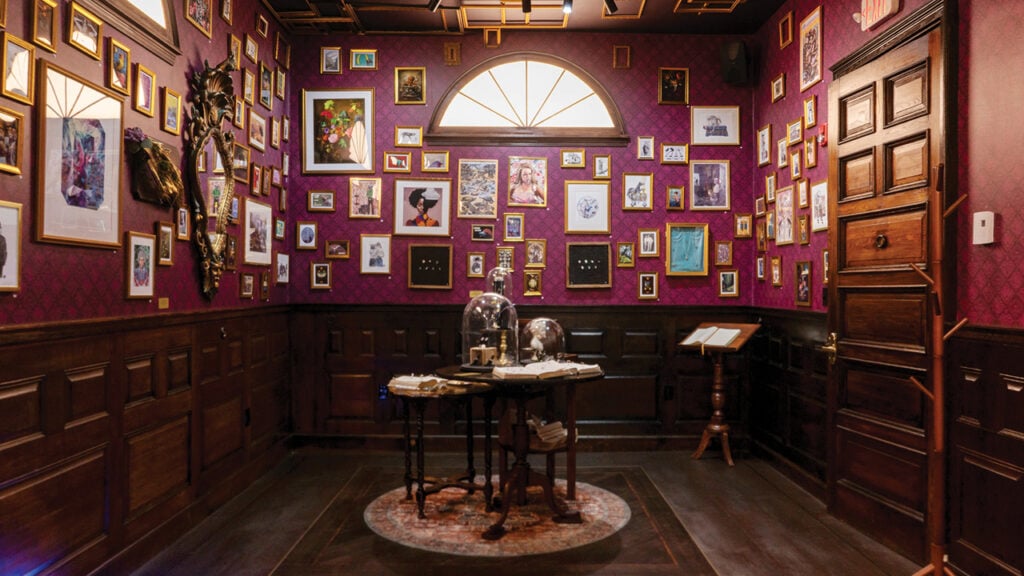
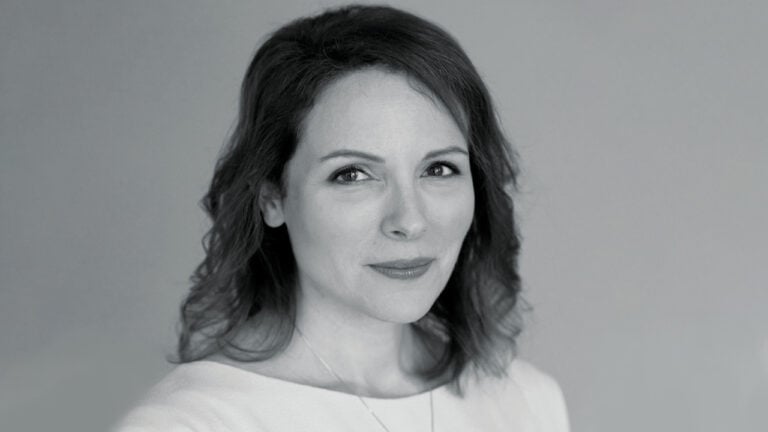
Not long after transforming a dilapidated warehouse into her jewelry store in Worcester, Massachusetts, ilah Cibis began to focus exclusively on custom engagement rings. Open Saturdays and by appointment the rest of the week, she says it’s rare for a bridal consultation not to end in a sale.
The store sets an idiosyncratic tone. Cibis has created a space that she describes as a cross between an old apothecary, a library and a French art salon. Customers enter through a dim forest vestibule with 11-foot trees, fiber-optic stars overhead and a nighttime soundscape, before discovering interactive displays, hidden doors, terrariums and a UV-lit case that makes certain pieces glow.
“The whole point of my store design, which is whimsical, is to remove pressure, to make it fun and lighthearted – to leave the day-to-day reality behind and go someplace different,” she explains. “Everyone says this is magical.”
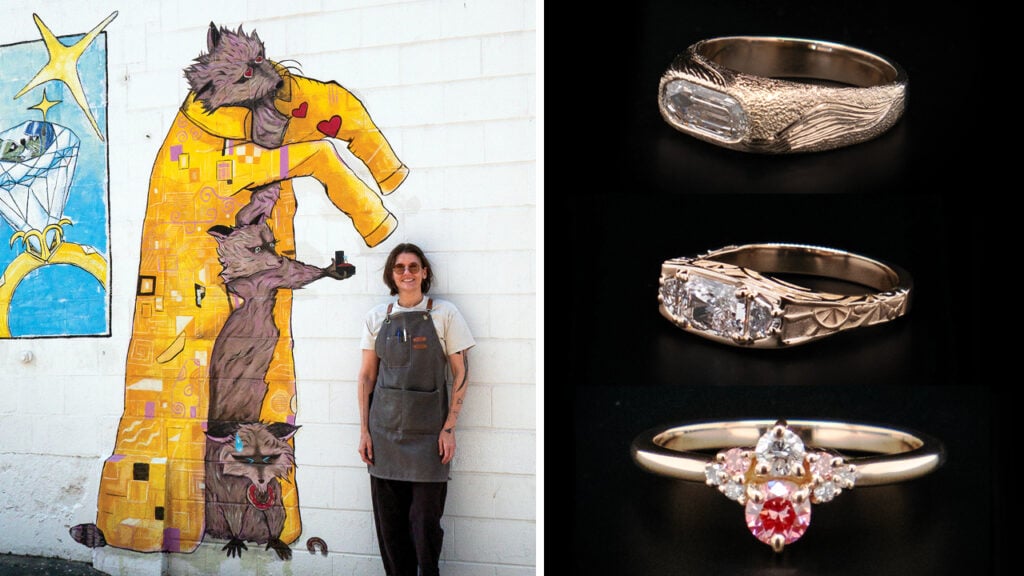
Cibis meets clients in a glass-walled conference room, designing their rings in jewelry software program MatrixGold while they watch. She uses ring prototypes, cubic zirconia samples, gemstones, educational diagrams, a digital microscope and acrylic slides illustrating diamond size to help clients visualize their options.
“I’m trying to get people to use their imaginations,” she says, “but people who aren’t designers or artists need visual prompts.”
Cibis gathers inspiration photos and encourages customers to make all of the design decisions to avert buyer’s remorse. “It’s based on how I like to shop,” she says. “I don’t like being sold.”
After the initial consultation, clients receive renderings, a 3D model and an augmented-reality version they can try on virtually – a convenience for customers traveling from Boston or out-of-state locales like Providence, Rhode Island, and Hartford, Connecticut, to her centrally located studio.
Cibis typically designs and makes about 30 rings at a time, handling everything herself except casting. Engagement-ring sales average about $5,000, though one special piece sold for $75,000.
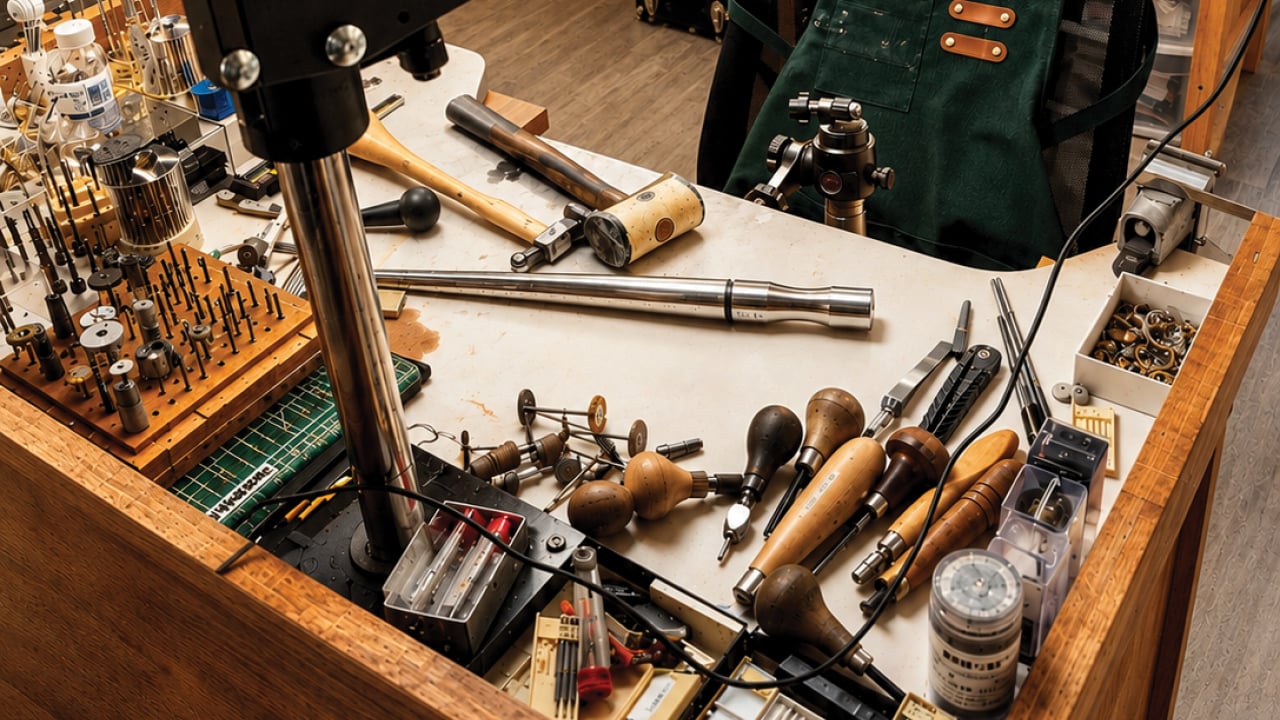
Main image: Jewelry bench at John Thomas Jewelers. (John Thomas Jewelers)