

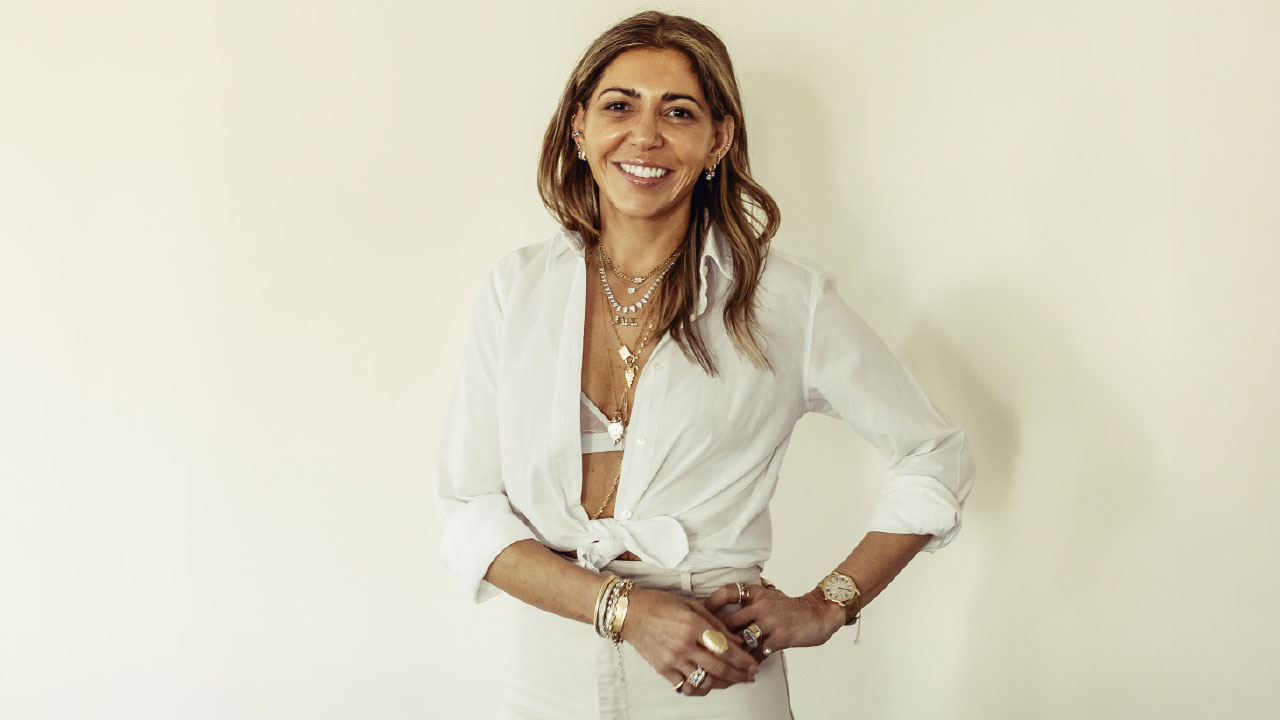
Fifth-generation New York jewelry designer Jade Trau has built a reputation for bringing a more personal perspective to diamonds. Ahead of her appearance at this year’s Couture show in Las Vegas, Trau shares why individuality, stone cuts, and emotional connection matter more to today’s diamond consumer than textbook perfection.
Where do you think the true value of diamonds is most often misunderstood today?
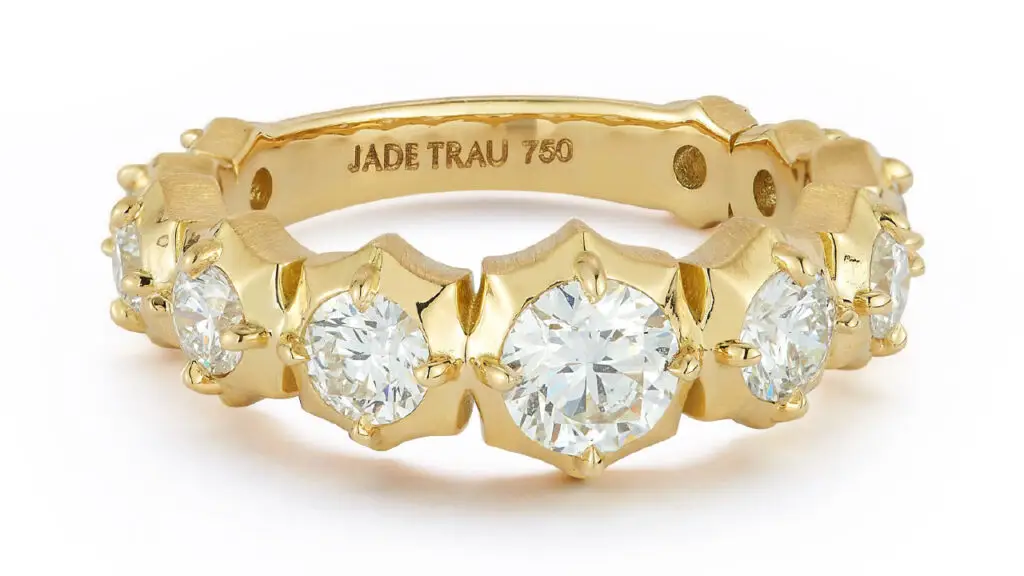
For a long time, technology gave us the ability to truly perfect a diamond cut, and we became fixated on excellent grades and perfect symmetry. I think we needed to go all the way there to understand what we were missing. The beauty is often in the imperfections of a natural stone, and I mean that specifically about cut, because we had already made our peace with the fact that diamonds come in varying clarities and colors. I was trained to look at a diamond before looking at its certificate. I was not always convinced that was right. Now I think it is the most important thing. I have to fall in love with the stone first, and then I can see whether the stats support what I am already seeing. The value of a diamond is its value to the person wearing it.
What is it about a diamond, beyond the 4Cs, that still feels under-communicated to the end consumer?
My clients light up when I talk about the cutting process. The idea that every piece of rough will lend itself to a particular shape, that the cutter’s job is to reveal what is already there while losing as little diamond as possible — that genuinely moves people. It connects the finished stone to something real. It makes the diamond feel less like a product and more like something that was always becoming itself.
What, in your view, makes a diamond desirable today, and how different is that from what made it desirable 10 or 20 years ago?
Years ago, with far less information available, desirability meant conformity. The best diamond looked the most like every other diamond of its kind. Now consumers have seen everything. They have spent hours on Instagram and in galleries and on our websites, and they know what moves them. A desirable diamond today is one that feels specific to them, that has something the next stone does not. The standard has not lowered, it has just become personal.
If you were to rethink how diamonds are presented to clients from the ground up, what would you change?
I already have. I used to open with “How much do you know about diamonds?” and calibrate from there. Now I start with “Show me something you’ve seen that you love.” When they pull up a picture, I ask what they love about it. That becomes the whole starting point. You learn more in that one minute than in any amount of Diamonds 101.
Main image: Jade Trau. (Jade Trau)
What Does Love Look Like? Not Out-of-Touch Lab-Grown Messaging
The natural-diamond industry won’t attract couples by telling them synthetics devalue their relationship.

Bridal Shopping in the Age of AI
Couples are researching online, but they still want to make the ring purchase personal – and that creates opportunities.
Six Brands Serving Fresh Engagement-Ring Designs
Whether it’s hand-sculpted organic gold or reimagined divorce jewels, these designers are setting trends that resonate with bridal shoppers.