
To mark the opening of its flagship in Tokyo at the close of 2021, Graff rolled out an extra-special piece: the Infinity tiara. At the center of this swirling diadem is one of the largest heart-shaped diamonds in existence, weighing 157.80 carats.
While most do not have access to stones of such magnitude, there is pent-up demand for sizable diamonds in the market right now, allowing designers to experiment with ever-larger rocks. The question is, how can they up the carat count without tipping into vulgarity?
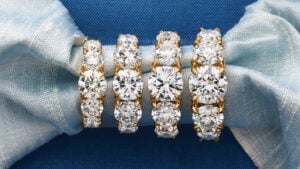
One option is a type of herd immunity: By using many important diamonds in a single piece, as Fernando Jorge does in his High Flare suite, designers can hide larger stones in plain sight, making them seem somehow less ostentatious than they would be alone. Other jewelers are choosing to set sizable stones in edgier designs than would have been traditional for such important gems — inverted or tilted cuts, unusual settings rather than a simple solitaire, a celebration of fancy colors.
Today’s high-carat shoppers want more than a commodity; they want a piece of precious art. By balancing design with gemological opulence, jewelers avoid the risk of big bling looking dated and out of touch.

To Market Natural Diamonds, The Entire Trade Must Do Its Part
No single company can carry the responsibility for reinvigorating interest in our product, nor should it.
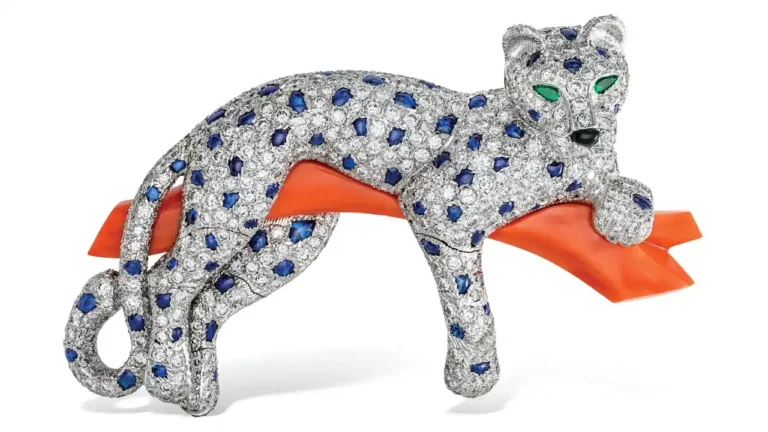
What Can Diamond Marketers Learn from Other Sectors’ Campaigns?
Instead of rehashing the same old advertising that hasn’t worked in years, the industry needs to offer a real sense of connection, experts say.
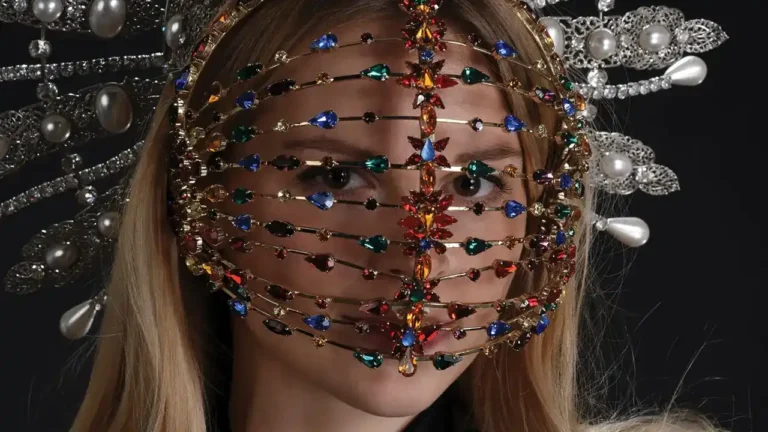
The Luxury World’s Authenticity Crisis
As AI-generated content floods feeds and brand messaging becomes increasingly homogenized, jewelry marketers face a new challenge: proving what is real.