



Glyptic Glamour
Image: Pomellato
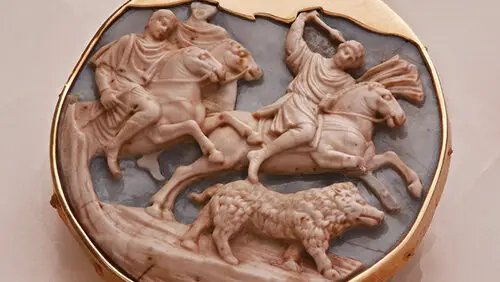
Should you find yourself in Paris this summer, a trip to “Engraved Gems,” the glyptic exhibition at L’École des Arts Joailliers, is a must. Glyptics refers to the art of gemstone carving, and the space is filled with treasures that collector Guy Ladrière has amassed — among them Greek and neoclassical intaglios, antique and medieval cameos, small sculptures from the Roman age, Merovingian signets, and religious rings. Some of the carved stones on display in the jewelry school date back to the first century CE, but this art form is far from being a relic of the past; it is very much alive and kicking.
Jewelers are increasingly turning to gem carving to add appeal, tell a story, or make their creations stand out. Some employ artisans to achieve slightly offbeat shapes, while others fully embrace the history of the practice to create miniature artworks. One such jeweler is Boston-based Millie & Noah, which works with German master carver Michael Peuster to engrave baby portraits into gemstones for its clients.
While some jewelry companies have the skill to create their carvings in-house, most seek out lapidary talent in the gem hubs of India or Germany’s Idar-Oberstein, or trawl the antiques market for originals they can reset in fresh designs. Cartier believes so strongly in this jewelry tradition’s future that it acquired the workshop of French master glyptician Philippe Nicolas in 2010, and now trains a new generation of gemstone carvers at its atelier.
More From Rapaport Magazine

Retail Rap: Getting Your Store Ready for the Holidays
Five industry professionals share how they choose their inventory and their décor, and what kinds of events they host.

Reflections: How to Stay Safe from Cybercrime This Season
A look at common attacks during the year’s busiest shopping period, and smart countermeasures you can take to protect your data.
The Golden Rules of Holiday Marketing
Retail and jewelry experts weigh in on how to run a successful campaign for the festive season.
