

As customers tire of endless screen time, physical retail is undergoing a renaissance. Shoppers across the US increasingly want to browse and buy in person once more, particularly luxury customers: 83% of high spenders prefer shopping in-store because of the personalized service and sensory experience, according to the EY Luxury Client Index for 2025.
This shift presents a major marketing opportunity for jewelry brands, many of which are investing in physical retail as part of a broader brand-building strategy. Done well, the results can be significant. Last year, jeweler Jessica McCormack announced sales of around $80 million, a 60% increase from its previous record, driven by the opening of the brand’s first US store on Madison Avenue.
“Stores are no longer just points of sale; they’re part of the marketing mix,” explains Heather Falconer-Serhan, founder of New York-based Falconer Agency, which specializes in strategic growth, partnerships and market entry. “For luxury brands especially, being in the right physical retail environment builds credibility, creates discovery, and gives the customer a chance to experience the brand in a way they simply can’t online.”
The art of direct-to-consumer
Spinelli Kilcollin has experienced similar benefits. The brand, founded in 2010, opened its first direct-to-consumer (DTC) store in Los Angeles in 2024 after customers expressed a desire to reconnect in person following the pandemic. Today, DTC accounts for an estimated 75% of the business, and the company has since expanded with boutiques in New York and London, as well as a new central-LA flagship that’s set to open this fall.
The physical stores have “made a big difference from a revenue standpoint,” says cofounder Yves Spinelli, though he believes their greatest value extends beyond sales. Having a strong physical presence “spirals to help grow the brand, too, because we really can connect with our customers.”
The new flagship occupies a 5,000-square-foot former gallery, with around 1,800 square feet dedicated to retail and the remainder serving as a customer-focused experiential space, including a record room, photo studio and design studio. It reflects the brand’s visual identity while showcasing artwork by cofounder Dwyer Kilcollin.
“It’s an investment, but one that we feel is important for our brand to grow,” says Spinelli. Human connection is central to the strategy. “As digital [retail] and AI continue to expand, they’re not replacing the personal experience that people are craving.”
‘Cult of personality’
That personal element is becoming increasingly important in luxury retail. Research by The Business of Fashion and McKinsey & Company has found that emotional connection is now the leading driver of luxury purchases, and many retailers are designing their stores to strengthen brand identity, foster customer relationships and create immersive experiences.
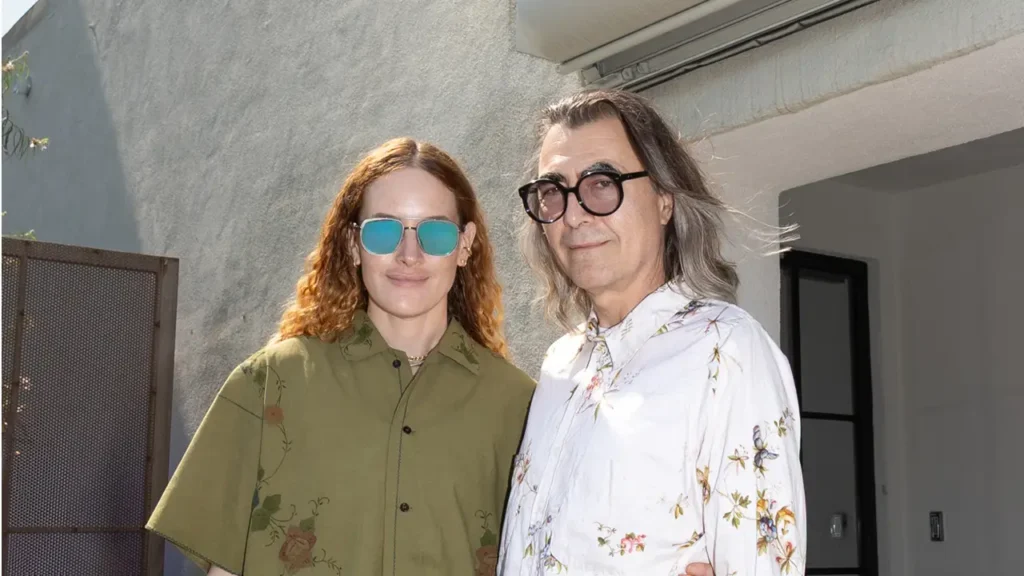
That’s what New York-based jeweler Shahla Karimi aims to do with her new Tribeca flagship, opening this autumn. “I want you to feel like you’re walking into my home,” says Karimi, who is working with architect Evan Wiskup and interior designer Madelynn Ringo to create a space reflecting her Persian heritage and love of hospitality. Alongside the street-level boutique will be a dedicated design studio where clients can view the creative process. “It’s all about that personal touch and demonstrating the thought behind each piece,” she says. “I want customers to see the people who are working here and who are making the jewelry.”
Creating memorable experiences is central to her approach. She describes her team as a “cult of personality,” explaining that “everyone is very quirky and personable in a different way.” The strategy has fostered unusually deep customer relationships. “We are getting invited to the weddings, we are getting invited to the baby showers. We are becoming a part of their lives forever.”
Taking it on the road
Jeweler Ray Griffiths has also built his business around in-person experiences, albeit through a different model. Rather than opening his own retail store, he decided that “every jewelry store in America would be my jewelry store.” His calendar is now filled with trunk shows at independent retailers across the US.
Mostly there’s a “really good turnout,” reports Griffiths. “People come and purchase. They’ve known me for a long time; I’ve been visiting a lot of the same stores for 25 years. And there’s now a new generation of [their] children who are coming to see me and buying jewelry.”
The approach continues to deliver strong results, he says. “Last year was our best year ever, and this year, we’re 25% up on that.”
Known for his patented Crownwork designs as well as heirloom restoration, Griffiths believes trust is fundamental. “You’re handing over an emotional product that is generational in your family, so you’ve got to trust that person to work with them. I have that reputation.”
An investment in the future
Growing skepticism around AI-generated content and misleading online advertising is also encouraging shoppers back into stores. “There are just constant copycats online, and you really don’t know what you’re getting,” says Karimi. “It’s important for someone to be able to come in and physically see the quality of our jewelry.”
A permanent retail presence also signals long-term credibility. Investing in a flagship tells customers that “I have a physical presence now, so I’m not going anywhere,” says Karimi, whose new store has a decade-long lease. “When you need to have your ring repaired in 10 years, we’re still going to be here.”
As Griffiths and Spinelli Kilcollin have found, investing in physical channels to build the brand and create connections with clients does often translate into stronger sales. Specialty physical retail achieves conversion rates of 15% to 30%, compared with 1.6% to 3% online, according to business-intelligence firm TruRating. But the impact of in-person selling extends beyond the transaction itself.
“I often advise clients to think about exposure beyond immediate sales,” says Falconer. “A customer may discover the brand in-store, take a photo, share it on social media, or remember it weeks later and purchase online. That store visit becomes part of the customer journey, even if the transaction happens elsewhere.”
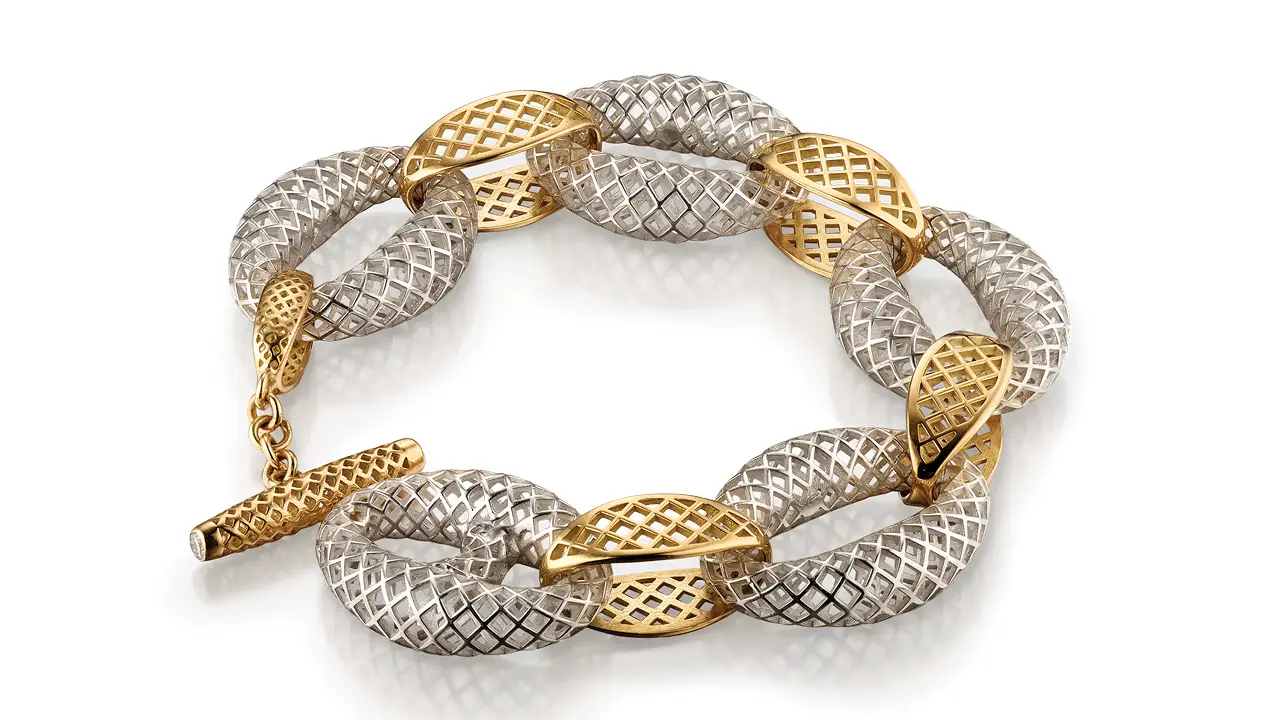
Main image: A Ray Griffiths Crownwork bracelet. (Ray Griffiths)