

Scanning the images of the autumn-winter 2026 runway collections, one quickly spots jewelry trends such as big floral earrings and pendants, brooches, torque necklaces – perhaps layered with a fine chain for contrast – and plenty of sculptural cuffs. Of course, all of these are costume jewels to accessorize the designer’s vision and are probably made of Perspex, gold-plated brass, or plastic. But is there an underlying message to what we see on the catwalk, a takeaway worth noting for jewelry designers and retailers?
The answer should be yes: Isn’t the runway there to influence trends? Confirmation comes from Marissa Collections in Florida, a destination retailer selling fashion, accessories and jewelry, where catwalk trends have always played a part in buying decisions.
“While runway jewelry can sometimes be exaggerated or theatrical, it provides valuable insight into emerging trends, styling techniques, and how jewelry is intended to complement fashion,” says Jennifer McCurry, the retailer’s buyer and lead fine-jewelry curator.
In the mood
McCurry views these trends as “a source of inspiration rather than a literal buying guide.” The runway amplifies them for visual impact, but the themes frequently translate into more wearable fine jewelry, she explains. Recent examples of such jewelry range from the oversized statement earrings of brands like Graziela and the sculptural cuffs of David Webb and Verdura, to the layered charms of FoundRae, Sydney Evan, and Castro Smith.
“Clients are drawn to pieces that feel expressive and personal while remaining versatile enough for everyday wear,” says McCurry.
Laura Freedman agrees that consumers are taking their cues from the catwalk. “They may not follow runway trends literally, but they definitely absorb the broader mood, whether that is chunky gold chains, bold hoops, or a more ’70s- or ’80s-inspired look,” says the founder and CEO of Broken English, which has stores in Los Angeles and New York.
The styles and proportions of luxury designer clothing also factor in. “Style edits [on the Broken English website] are about showing the right jewelry with the right clothes and the right mood,” explains Freedman. “They are not necessarily direct copies of catwalk styling, but they do reflect the overall fashion feeling of the moment. Understanding fashion trends helps me anticipate what clients may be leaning toward.”
Past present
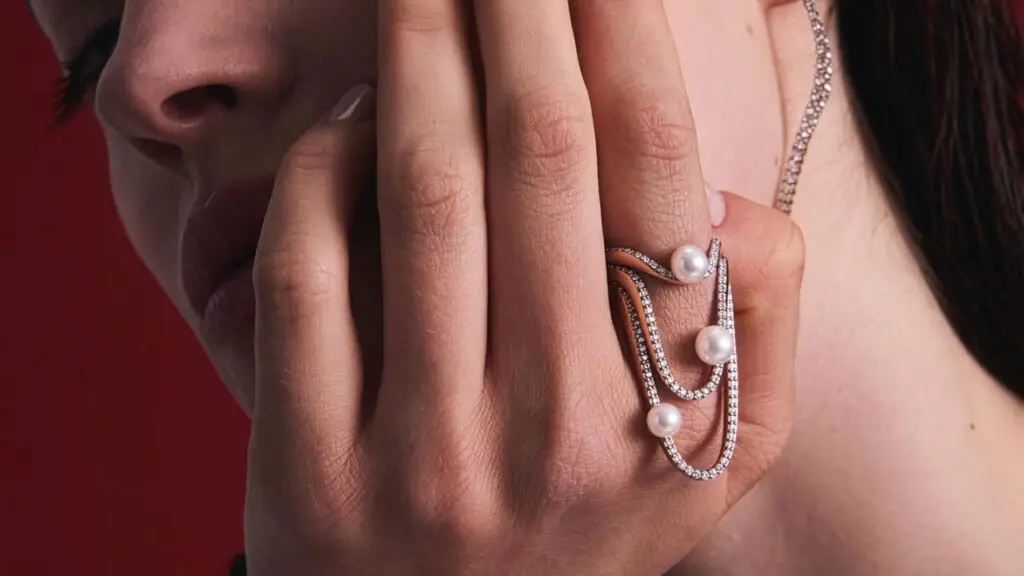
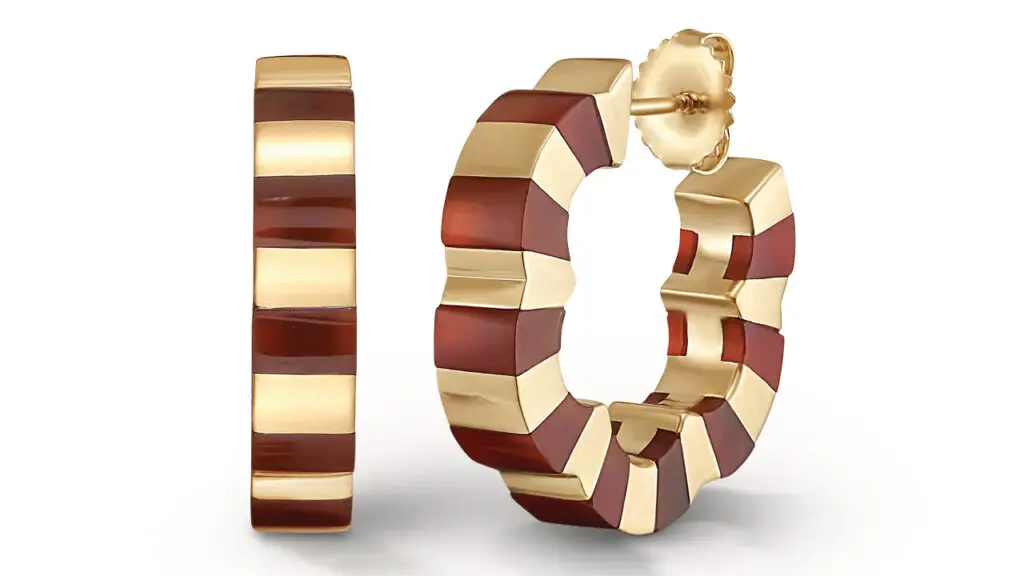
The recent retro ’80s looks on the runway have fueled a demand for bold gold jewelry, sculptural silhouettes, and statement earrings, as seen at Saint Laurent. At the same time, the emerging ’90s aesthetic at Ralph Lauren’s spring-summer ’26 show, among others, called for a more effortless, minimalist approach, which fits with sculpted pendants or the torques and chokers at Tabayer and Repossi. Meanwhile, an alternative to the big lily-pad earrings in Dior’s autumn-winter show might be Silvia Furmanovich’s marquetry earrings at Massachusetts retailer The Vault Nantucket and at Broken English, or the even daintier hand-carved, custom-designed hard-stone flowers from California-based brand Elyzian.
New York jewelry designer Isabel Delgado’s clients are not generally influenced by catwalk jewelry, she says, but she has noticed customers leaning into the flower motif of her Sofia collection after seeing the Dior flowers on the runway. Additionally, she observes, “there has been a very asymmetrical sort of look on the runway, with mismatched earrings. [It is] something I’ve already been doing, and so [my clients are either] more likely to hop on that ‘trend’ or are more prone [anyway] to a similar mismatched look.”
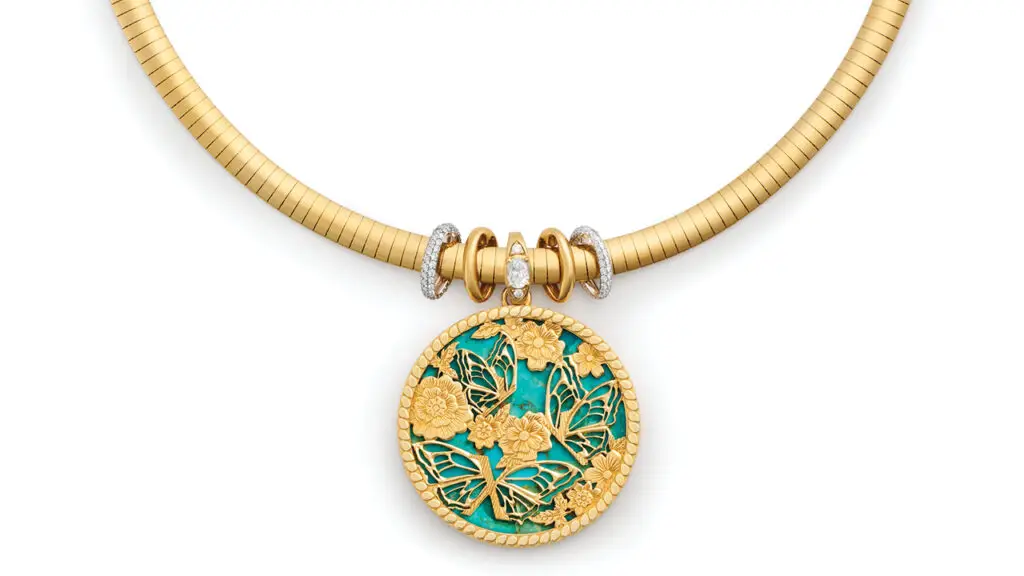
Zeitgeist or no, some trends emerge in jewelry collections and on the runway simultaneously. For example, the torques that appeared at Chloé and Tom Ford in late 2024 serendipitously showed up around the same time in fine jewelry by brands like Tabayer, Jessica McCormack, Shahla Karimi, Diane Kordas and Eva Fehren – although the necklace style had already been a signature design of Lalaounis and Azza Fahmy for some time.
Freedman points to Anita Ko, FoundRae, Type, Marie Mas, Fernando Jorge and Viltier as brands that have a strong sense of their own identity but offer collections that “feel connected to the wider mood.”
Cords, pearls and silver
In September 2025, Michael Kors and Tod’s showed leather and cord pendants for spring-summer 2026, and those styles were top of the list in Las Vegas this year.
“It’s certainly a way to balance the increasing price of gold, but the trend also feels very of-the-moment,” says Lauren Abend, cofounder and director of sales at PR agency Mega Mega Projects. Marie Lichtenberg and Brooke Gregson are among the designers picking up on the look. Renato Cipullo uses suede cord for his brand’s hard-stone pendants, while CCWW uses twisted silk, and Kate Collins has added shells to her cord necklaces.
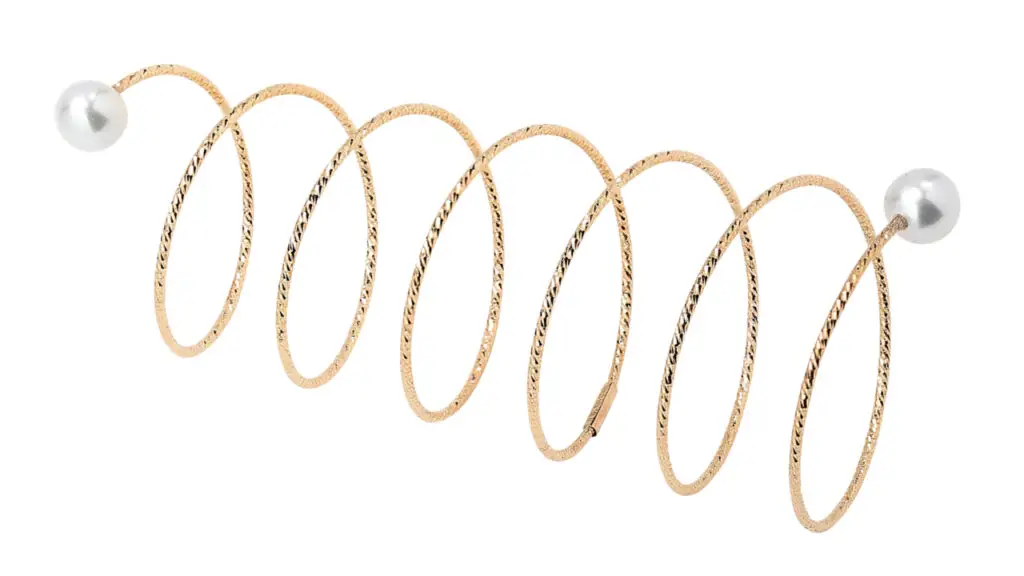
Pearls are a perennial catwalk favorite with fashion houses like Chanel and Simone Rocha, but styles are now edgier and more subversive, like the lustrous stoppers on the ends of twisted gold-wire bracelets in jeweler Ritique’s Magic Wire collection. Marie Mas and pearl specialist Yoko London are offering fluid linear earrings and ring stacks with pearls and diamonds.
Chunky gold chains have had a strong showing on the runway for a couple of years at the likes of Hermes and Simone Rocha, and are much in demand at FoundRae and other fine jewelers like Anne Sisteron and Robinson Pelham. Now, however, silver is making a comeback, as seen in jewelry collections by Annoushka and Nina Runsdorf. Paris maison Statement is also receiving an increase in requests for sterling silver.
“Gold will always be the only choice for some people,” says Abend, “but we are seeing our clients and retailers embrace silver and silver tones.”
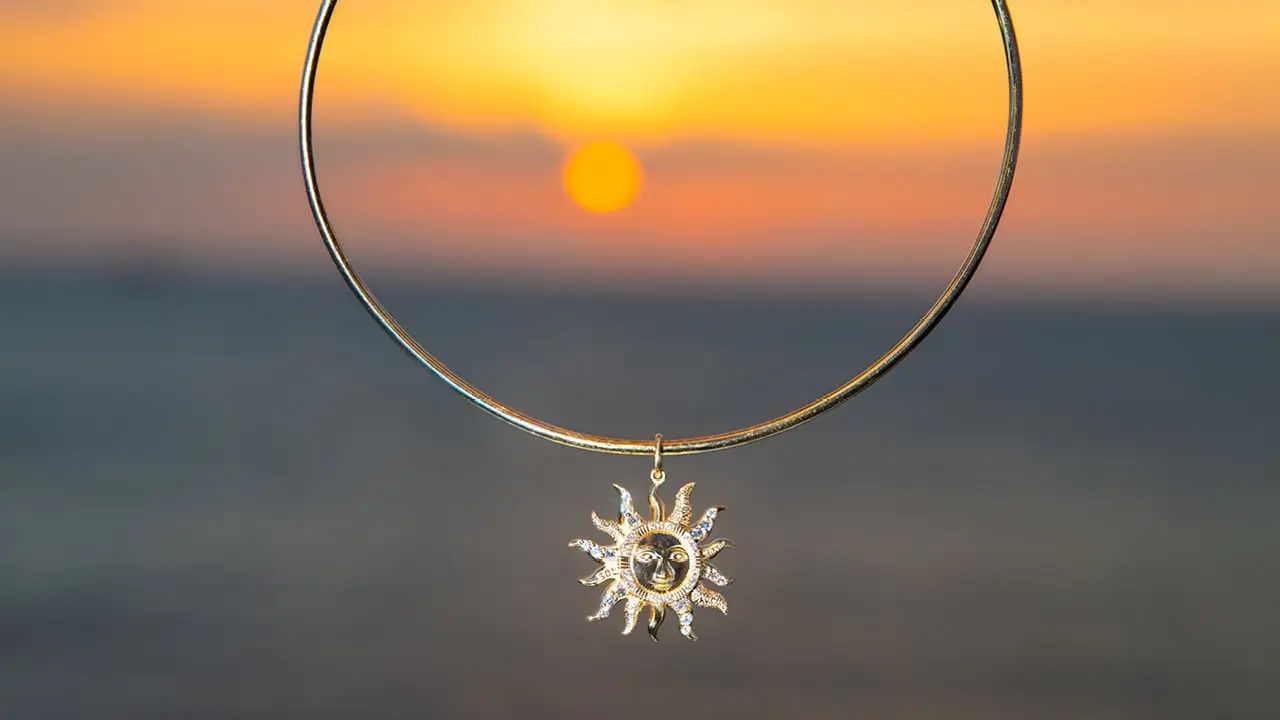
Main image: Dreaming of Cadaques torque necklace by Marlo Laz with Sol Oriente pendant in gold and diamonds. (Antoine Wagner)