 WhatsApp
 Email
Email
 Facebook
 Twitter
 LinkedIn

This year, the natural-diamond industry has ramped up its marketing efforts with a wave of new campaigns and an influx of funding. From the recent Luanda Accord in Angola to innovative campaigns by the World Federation of Diamond Bourses (WFDB) and the Antwerp World Diamond Centre (AWDC), industry leaders are rolling out a coordinated wave of fresh promotions.
The diamond trade is emerging from a tumultuous, challenging period, but this adversity “has created unity around the importance of category marketing,” reflects David Kellie, CEO of the Natural Diamond Council (NDC), which is partnering “with leading producer nations to share the story of diamonds with a wider audience. This sets the whole industry on a very positive trajectory.”
(Natural Diamond Council)
Luanda resources
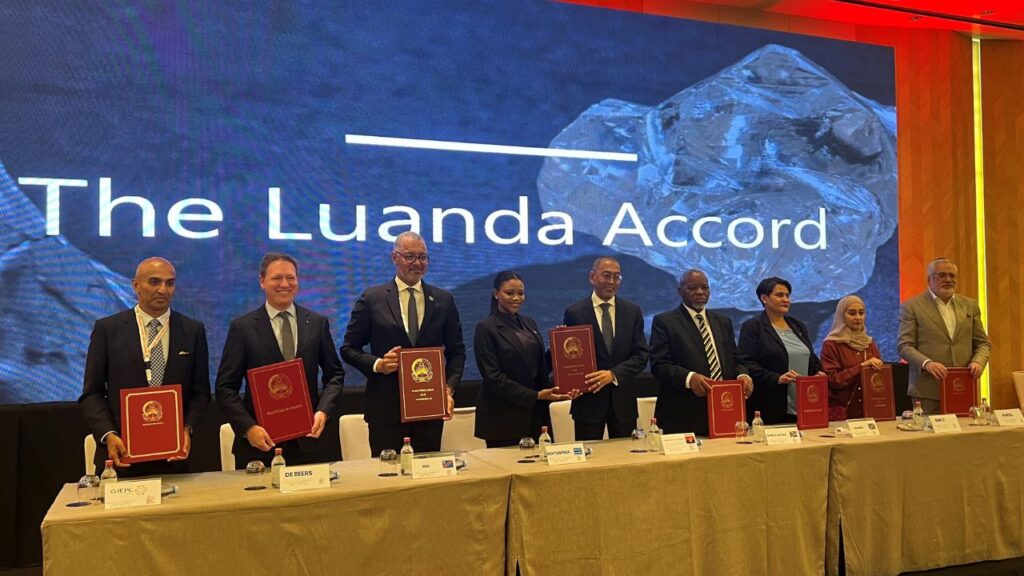
The Luanda Accord, which diamond-producing African countries signed on June 18 with industry bodies including the AWDC, De Beers, the Gem and Jewellery Export Promotion Council (GJEPC) and the Dubai Multi Commodities Centre (DMCC), marked a pivotal moment for the trade. Under the agreement, each government and De Beers will contribute 1% of its annual rough-diamond revenue to a collective global marketing campaign that the NDC will run.
The NDC now has the task of designing and executing a marketing strategy that will strengthen consumer awareness, drive demand, and restore confidence in natural diamonds worldwide. Kellie believes the commitment of resources via the Luanda Accord will open new opportunities for the natural-diamond market.
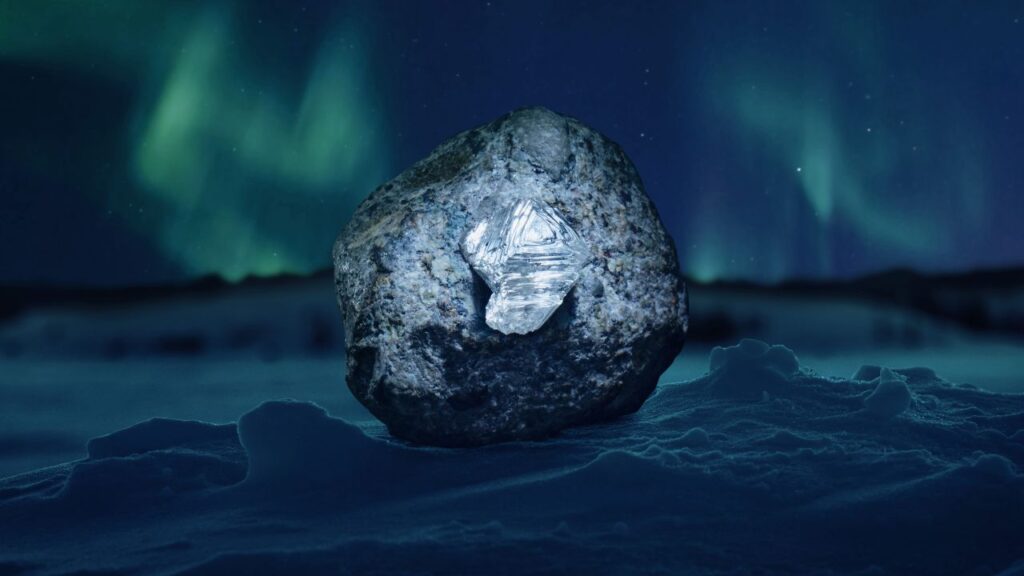
The NDC’s 2025 budget rose to $38 million following an $8 million contribution from Angola’s Endiama and Sodiam mining companies, and a matching $8 million from De Beers through the Luanda Accord. This significant influx of funding signals a deeper global commitment to promoting natural diamonds, with contributions spanning major producers, trading hubs, and industry stakeholders.
In it together
For De Beers, the accord is part of a multi-pronged strategy that extends beyond the NDC partnership.
“We see great value in collaborative marketing approaches — not only via the Luanda Accord, but also through our marketing collaborations with retailers and trade bodies,” says a De Beers spokesperson. “[This enables] us to pool resources, unite behind a particular messaging platform and amplify the impact of marketing campaigns.”
That approach is important, the spokesperson continues, “as it follows a period when consumers have been less exposed to the types of category campaigns that drove much of the success the industry saw in the 20th century.”
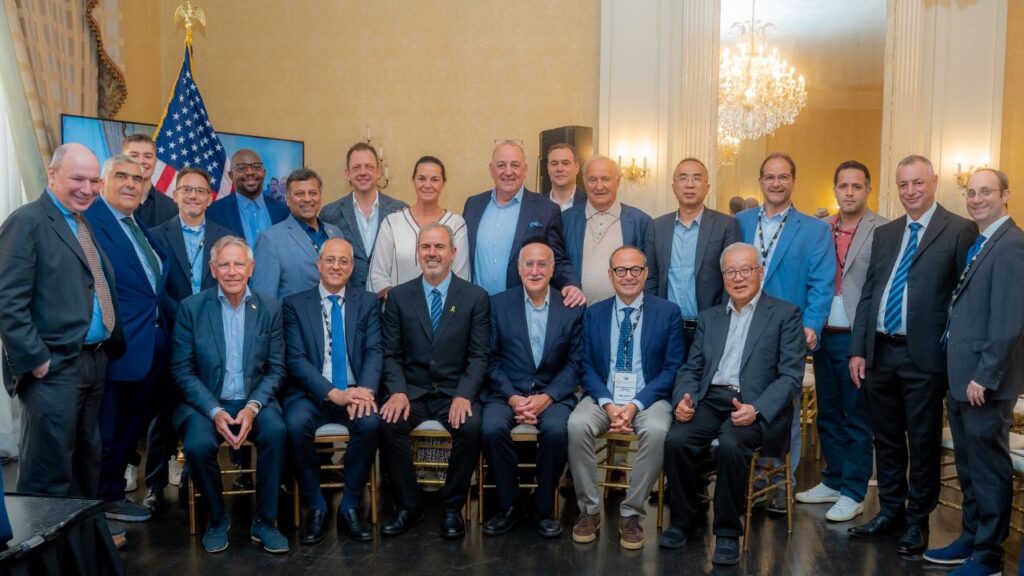
In that spirit of collaboration, the WFDB Presidents’ Meeting in New York this past June brought together key stakeholders to align on a strategy for boosting natural-diamond category marketing. WFDB president Yoram Dvash outlined an ambitious vision to restore natural diamonds to the center of public consciousness by positioning them not just as luxury objects, but as powerful symbols of personal identity.
“[Natural diamonds represent] values, emotion and tradition,” Dvash tells Rapaport Magazine. “We presented a new marketing approach based on story and identity, in collaboration with key players in the industry.”
The WFDB plans to continue shaping the narrative by promoting fair trade between exchanges, supporting educational initiatives, and strengthening natural diamonds’ public visibility. It’s a strategy that requires a change in perception, according to Dvash, who envisions more joint efforts by bourses, manufacturers and marketers.
Fresh messaging for a new generation
The key question facing the industry today is how to move beyond traditional campaigns to engage modern consumers. While De Beers’ iconic line “A Diamond Is Forever” still resonates thanks to its timeless message of connection, belonging and love, younger generations are rethinking marriage altogether and embracing new forms of commitment — ones in which diamonds are no longer the ultimate symbol of love.
To remain relevant, industry leaders are reframing diamonds as emblems of ethical value and individuality. “We must speak their language — authenticity, transparency, environmental and social impact,” says Dvash.
Campaigns now highlight transparent sourcing and community benefits, which the trade views as essential to rebuilding trust and shifting outdated perceptions.
“For the natural-diamond industry, it is important that all actors contribute with emotive messages, be it through brand-specific communications or category marketing,” asserts Kellie. “Consumers want to hear many diverse voices, on the platforms of their choice, sharing the emotional and societal value that diamonds represent.”
Digging into digital
Story-driven, digital-first approaches are key to reaching Gen Z and millennials, blending rarity and romance with positive narratives about sustainability, social welfare, and equality. As Dvash puts it, “diamonds must be seen as a conscious choice, not just an ornament.”
The NDC is spearheading this shift with ambitious campaigns targeting both core diamond jewelry markets — the US, China and India — and untapped regions. “There is great potential to invest in other countries and regions,” says Kellie, noting growing interest in diamond jewelry among younger men and gender-fluid audiences.
With statistics showing that consumers spend up to a year researching diamonds on Google, Pinterest, TikTok and Instagram before making a purchase, the NDC sees digital content as critical to staying visible. “We will continue to meet them there,” says Kellie. “In a digitalized world, consumers can access a lot of the information and inspiration that we publish organically.”
Still, he takes a broader view of marketing channels. “We believe there would be a great return on investment for the companies that choose to partner with us in specific nations and regions. Consumers want to dream about diamonds.”
Supporting this strategy, the NDC has revamped its website to offer streamlined access to the in-depth information that today’s discerning buyers expect.
Campaign updates
Across the industry, emerging campaigns are telling more diverse, human stories — ones featuring queer couples, single women, and multigenerational families — and aligning diamonds with evolving relationship models.
In 2023, De Beers revived the “A Diamond Is Forever” slogan, building on its decades of success while adapting its emotional resonance for modern consumers. Recent campaigns like “Forever Present” and “Worth the Wait” highlight natural diamonds as markers of meaningful connections and singular life moments, positioning them as lifestyle accessories rather than mere symbols of status.
This past January, the WFDB launched its “Moments” campaign under the tagline “Crafted by Earth, Celebrated by You,” focusing on emotional storytelling around life’s milestones.
“The campaign received wide exposure, including tens of thousands of views in the first few weeks,” says Dvash. “We plan to continue with seasonal campaigns in collaboration with influencers and retail companies, in order to expand the impact on the global market.”
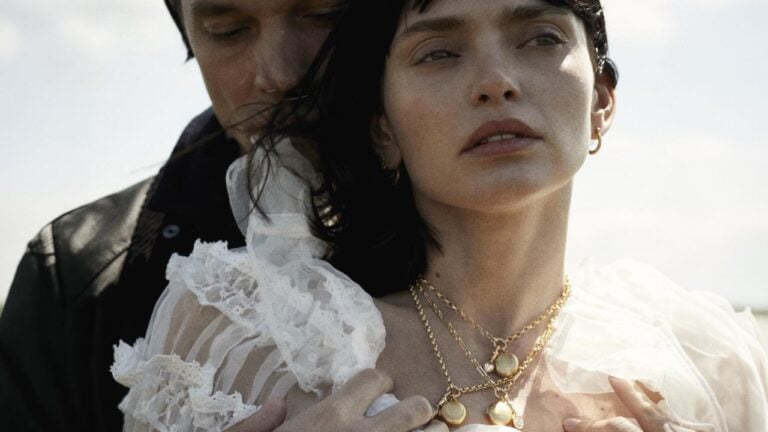
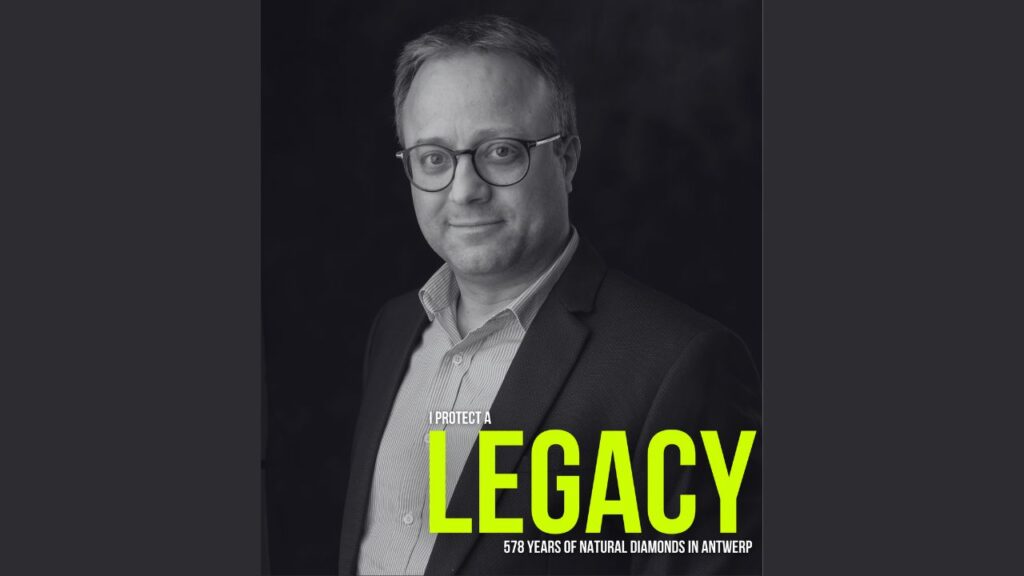
The AWDC’s “We Protect a Legacy” campaign, meanwhile, used a gumball machine full of synthetic stones to underscore the falling value of lab-grown diamonds, contrasting it with the enduring allure of natural ones. And the NDC is developing a series of visual-first campaigns that use stylish editorials and influencer-driven content to make natural diamonds feel real, rare and shareable — particularly to Millennials.
“It needs to feel right,” says Kellie. “We highlight the different values of diamonds, through different voices and formats, in different communication channels. The goal is to meet the consumers where they are.”
A misguided approach to lab-grown?
Yet some industry voices warn of risks in the current strategies. Constant comparisons between natural and lab-grown diamonds are counterproductive, argues jeweler Michael Schechter; they confuse consumers and erode confidence in diamonds of any origin.
“The real opportunity is in differentiation, not bifurcation,” he says. “Every advertising dollar spent reinforcing the divide is [misdirected]. Helping younger consumers understand why natural diamonds matter is key, but framing them against lab-grown risks cheapening the entire category.”
He advocates for a narrative that celebrates both natural formation and laboratory innovation. “‘A Diamond Is Forever’ still has value, but…we need a new story,” he states. “[One] that embraces the past, acknowledges the present, and looks towards the future. When I look at what each ‘side’ is doing, it quickly becomes clear that the true limitation is [how willing we are] to collaborate on a more brilliant strategy for all diamonds.”
Main image: Actress Lily James (right) films a promotional video for the NDC in Canada. (Natural Diamond Council)