

RAPAPORT… The Swiss Gemmological Institute (SSEF) has introduced a service that determines a pearl’s species using DNA fingerprinting.
The Basel-based laboratory has substantially expanded its database and capabilities, enabling it to identify each of the eight oyster species that account for the vast majority of gems available in the natural- and cultured-pearl trade, it said Tuesday. It achieved this through a partnership with the University of Zurich’s Institute of Forensic Medicine.
SSEF first developed DNA fingerprinting of pearls via a collaboration with Swiss university ETH Zurich, publishing the findings in an academic paper in 2013. Since then, improvements to the method have made it possible to take only a tiny amount of material from a pearl for testing to work.
“DNA fingerprinting will contribute to further documenting the origin and geographic provenance of historic natural pearls and traceability efforts in the cultured-pearl trade,” said SSEF director Michael Krzemnicki.
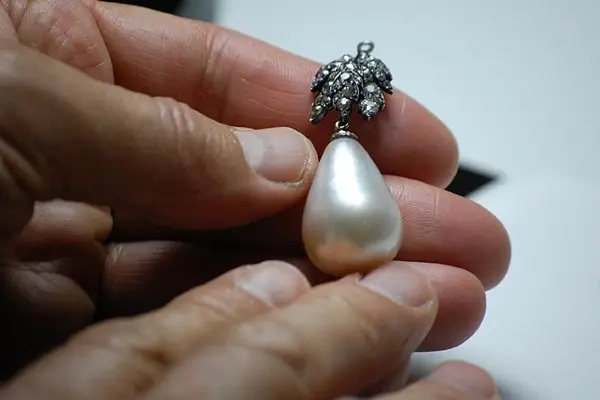
Image: The La Peregrina pearl. (SSEF)

Richemont and Signet Consider Participating in Bid for De Beers
Retailers are in discussions with GDC to join the group.

TAGS Tender Generates $27.1M in Revenue
94% of lots find buyers, including many special-sized and fancy-colored stones.
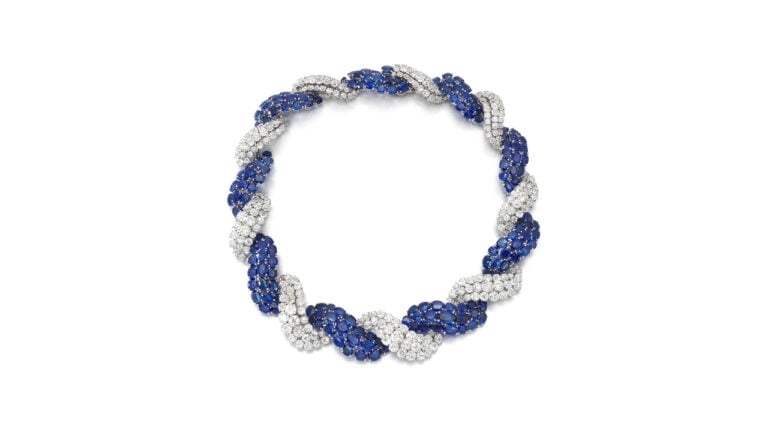
Sapphire and Diamond Necklace to Star in Sotheby’s Italy Auction
Piece has high estimate of $333,500 at Fine Jewelry and Watches sale in Milan.