
The personal-luxury-goods market will stay stable in 2026 amid challenges arising from geopolitical tensions and economic uncertainty, according to a Bain & Company report.
In total, the global luxury market will lie between flat and up 2% year on year at constant exchange rates to EUR 1.5 trillion ($1.65 trillion), Bain said Wednesday in its annual Luxury Worldwide Market Study. Across markets, jewelry continues to gain momentum and beauty is showing signs of renewed interest, while fashion consumers are switching brands or moving away from them.
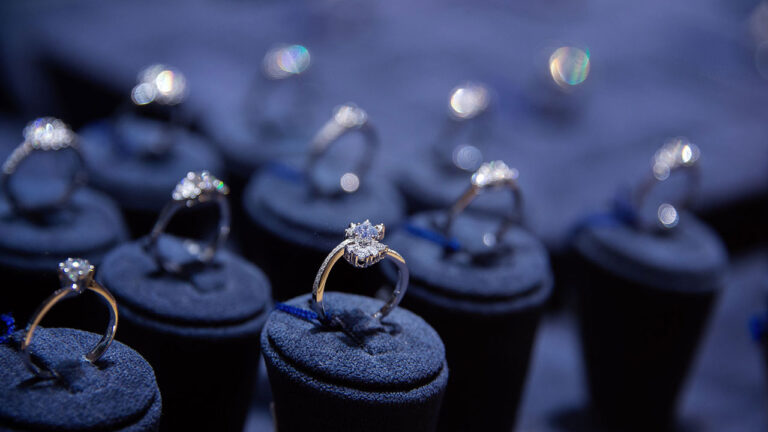
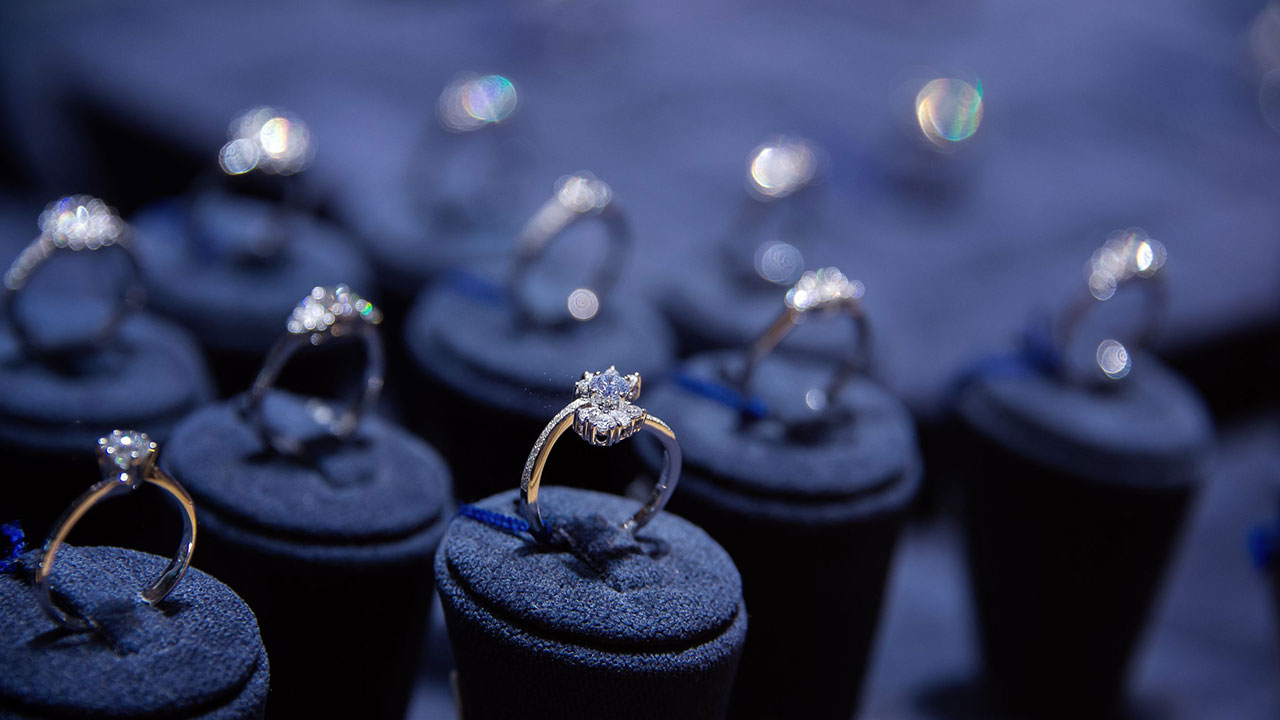
Jewelry leads all the luxury categories in performance, with 8% to 10% growth, mainly due to self-purchases, everyday wear and renewed creativity across price points. Apparel sales are likely to rise by a modest 1% to 3%, while leather goods will see little growth, at 0% to 2%, amid intense competition, Bain said.
“Fashion brands are navigating a more complex market, where consumers value different things at different price points: creativity and heritage in luxury, affordability and brand appeal in premium, and performance or convenience in sportswear and fast fashion,” said Federica Levato, senior partner at Bain & Company and leader of the firm’s Europe, the Middle East and Africa (EMEA) Fashion & Luxury practice, who coauthored the report.
Bain expects the personal-luxury market to grow 7% to 9% in the Americas, rising in all income groups, as domestic brands gain ground. Price increases accounted for approximately three quarters of growth in the first half of 2026, while American heritage brands outperformed their European counterparts by 6 percentage points.
Japan is likely to see a 5% to 7% increase, with the personal-luxury market showing signs of stability amid a boost from increased domestic spending and solid performances in jewelry and department stores. Tourist spending is also rising despite fewer Chinese visitors, while pre-owned luxury goods are attracting shoppers seeking vintage pieces. Meanwhile, China is expecting a slight decline of 1% to 3%. Following a positive first half, the mainland’s luxury market is experiencing a sharper decline in the second half as there is less local purchasing for festivals. Jewelry and beauty remain resilient, with watches and fashion facing weaker demand.
Image: A jewelry display. (Shutterstock)