

Can you tell us about the association’s online courses and how they have evolved?
The “Pearls as One” course launched in 2016 — on a side note, we are revamping that course, and it will be ready by the end of this quarter. I wrote the original course in 2016, and we had it translated into 10 languages. We partnered with associations all over the world. We have had a total of over 90,000 people enrolled in the course over the last 10 years since we launched it. It’s been the most successful thing we’ve done in the organization in the last two decades. It really moved the needle.
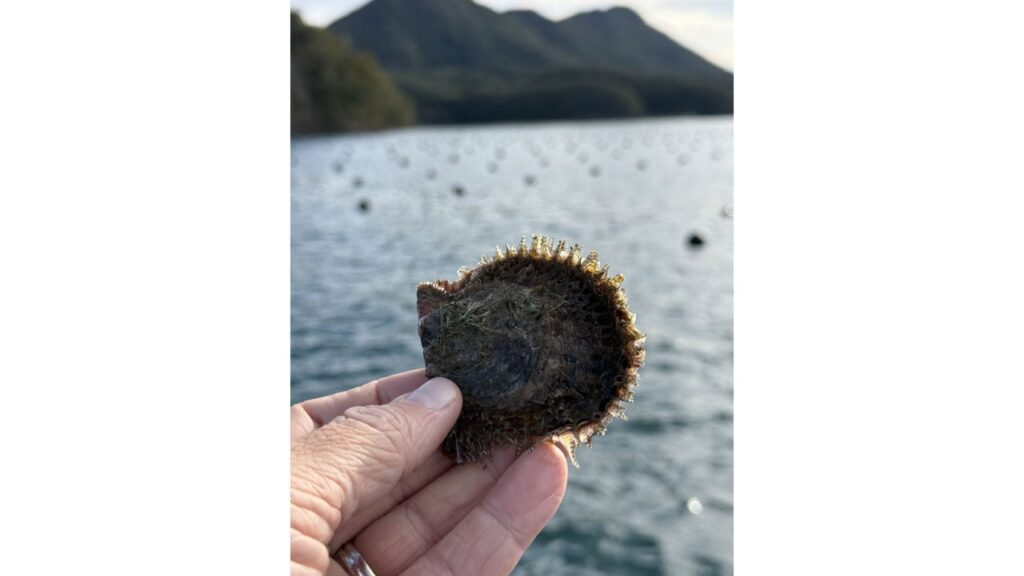
We’ve changed the structure of the credentials that we created with the original “Pearls as One” course. People used to receive a certificate congratulating them on completing the course, but what we found was that while it gave people really good book knowledge, the part that we were missing was experience. We created a scaling credential program, where we have points we are assigning to experiences, and those points are achieved through experiences such as visiting a commercially operated saltwater pearl farm. We have a list of a dozen or so akoya pearl farms in Vietnam, Japan and Australia that people can go and visit — that’s 10 points, for example. This will be rolling out in the next two months. They do their education through “Pearls as One,” they do an experience with us, and that’s what leads to their expertise.
How many trips have you taken to the pearl farms so far?
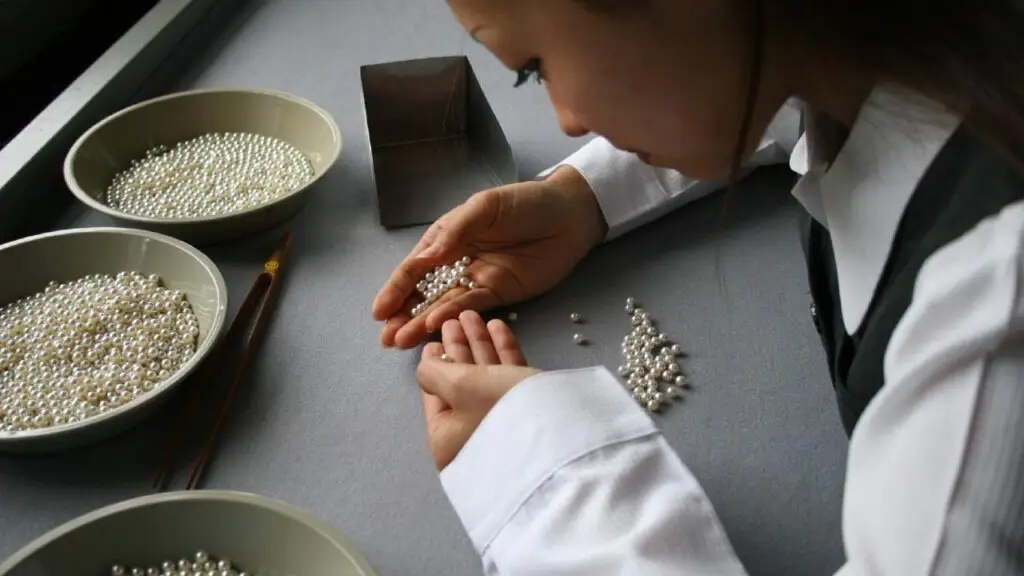
We did two trips last year, but we were very specific about these trips. We invited key opinion leaders and influencers. We took them on two trips to Japan. On both trips, they got to visit three pearl farms, and then we took them to Kobe to see a pearl-processing factory, where they got to see people drilling, processing, matching, and putting [pearls] on temporary hanks. The experience ended at the Japan Pearl Fair in Kobe, where the pearl farmers and the processors were selling the goods to their international clients.
Tell us about sourcing and producing right now. Is it easier or more difficult to source this year?
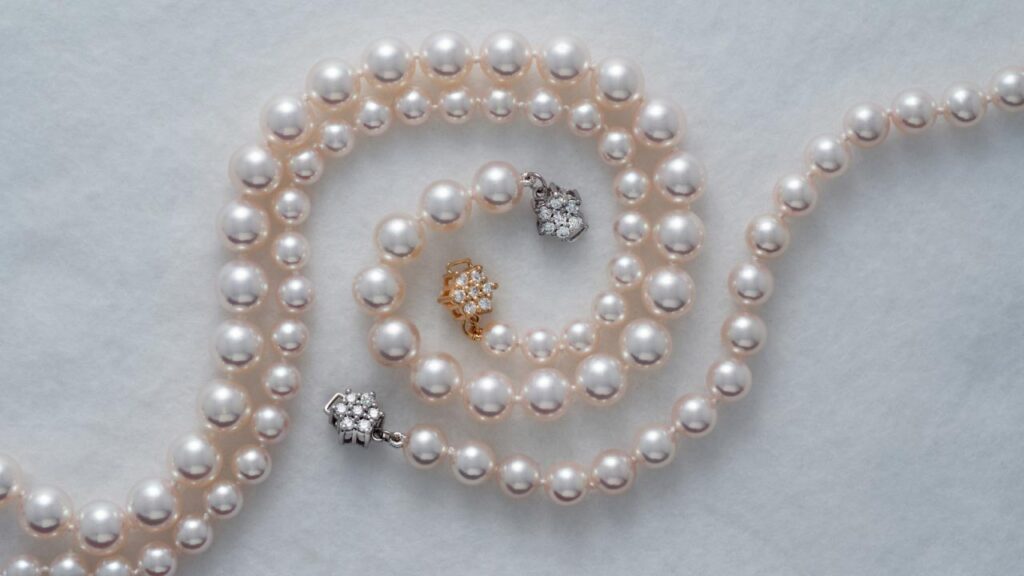
2023 was the most difficult year ever. It’s gotten a little bit easier since then, but because the cycles of production are so long and we’ve had these big issues in that area over the past few years, production has just been low. It’s been low in Tahitians and akoyas, and it’s been very low in tissue-nucleated freshwaters. The entire industry is moving its operations to bead-nucleated freshwaters in China. Most of that means production is from 2 millimeters to 6 millimeters, or from 10 millimeters to 16 millimeters, but the most popular range is 7 millimeters to 10 millimeters. So freshwater pearls have been very difficult to source, especially non-beaded. Tahitian pearls’ production has dropped. The size of the shells has dropped. I didn’t see a single typical traditional dealer [among] the brokers and producers who come to the Hong Kong show from Tahiti. Not a single one separated out their A-grade-only lots this time. I saw only AB lots, [going by the A-D pearl-grading system,] which means they were mixing A’s and B’s together. That was because they just didn’t have enough A pearls to do individual lots of them. If you wanted your A pearls, you had to buy the AB pearls. The only area I haven’t seen an issue with right now has been in South Sea [specimens]. In terms of white South Seas, the production seems to be stable, and they have plenty of goods.
What pearl trends do you expect to see at the upcoming Las Vegas shows?
What I’ve seen a lot of, and what we’re getting a lot more demand for, has been men’s [jewelry]. It’s been a big thing. I’ve been in this business for almost 30 years, and I probably sold three to four pieces to men over the past 20 years. Now it’s very regular. I’m getting a lot of men coming in, a lot of bracelets and necklaces — mostly [in] black, but it’s been either black or white: black and big or white and small.
[One thing] we’ve seen is a lot of people moving into [a more] unique form of the classic. What I mean by that is, the perfectly white, round strand of pearls that [pearl specialist] Mikimoto first cultured has been the gold standard for nearly a century, but what we’ve seen in the white and round realm, where akoya has always been king — what’s really been moving for us and creating excitement — is natural color [and] baroque.
What challenges is the pearl industry facing right now?
I would say the one that’s been on most people’s radar and big in the news has been the tariff situation. A lot of people have been struggling with the fact that there’s a pretty big lead time on things that we do. You can place an order today, and you don’t know what it’s going to cost you in a few months.
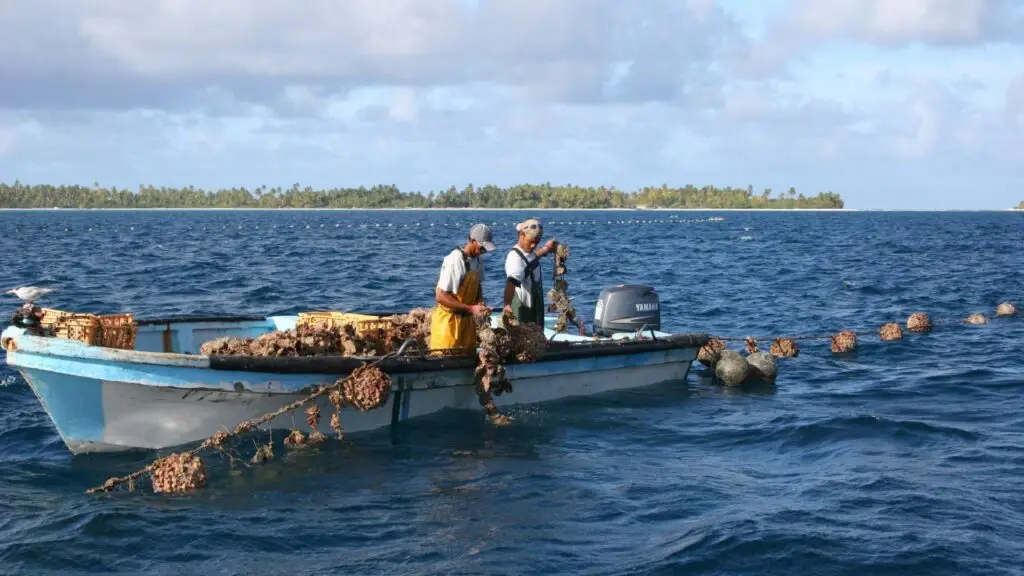
Apart from that, it’s the global environmental issues. In Tahiti, the shells have gotten smaller and smaller, and in the Sea of Cortez off Baja California, they’ve had multiple die-offs. Also, over the past three years, Japan has dealt with something called a birnavirus, which has affected the young pearl oysters. They’ve had massive die-offs of 70%. So we’ve been hit with a sizable drop in production because of this waterborne virus.
At the same time, pearls have been trending and peaking not only in the US, but in China. So it’s led to a situation where 10 years ago, our Japanese suppliers were trying and trying to sell us pearls because they really needed to move pearls, and now it’s us trying and trying to buy pearls and to find the pearls that we need. I would say that’s probably the biggest challenge — and that’s the challenge we have no real control over, because it’s a global challenge.

Who is Jeremy Shepherd?
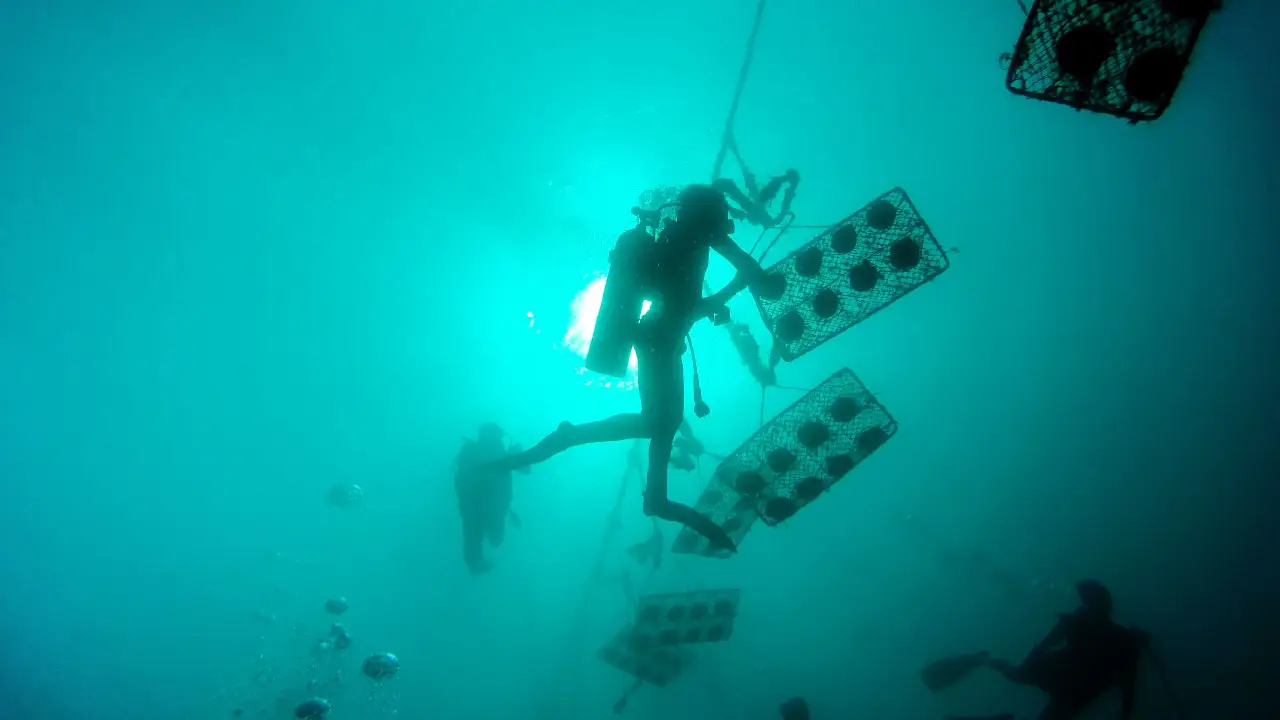
Main image: Diving for pearls in the Philippines. (Jeremy Shepherd)