

For decades, personalization in jewelry served as a differentiator — selectively offered and often reserved for milestone pieces or high-touch clients. In 2026, it is no longer a value add; it is the expectation. It is central to how jewelry is sold.
Consumers are not simply purchasing jewelry to mark traditional occasions; they are buying meaning. Initials, hidden engravings, distinctive stone combinations, mixed metals, and intentional design details increasingly influence buying decisions, particularly in the engagement and self-purchase categories. The piece must feel specific to the wearer, not interchangeable.
What’s changing, and why it matters
From engraving and stone selection to metal choice and proportion, buyers want jewelry that reflects personal identity as much as occasion. At the same time, expectations around speed, pricing transparency, and consistent quality continue to rise. This convergence has reshaped custom work.
Younger consumers, particularly Millennials and Gen Z, are deeply involved in the design process and emotionally invested in the outcome. Engagement clients often arrive with detailed references shaped by social media, digital design platforms, and direct-to-consumer brands. They understand ratios, stone shapes and setting styles before they walk into a store. Self-purchasing continues to expand as well, with customers seeking pieces that commemorate personal achievements rather than traditional milestones.
For jewelers, the opportunity is significant. So is the complexity. Custom requests are more frequent, more precise, and less tolerant of delays or inaccuracies. Computer-aided design (CAD)-driven workflows and modular design systems have increased production accuracy, but they have also made precision an assumed feature.
At Rio Grande, we have seen this shift accelerate across the independent retail sector and among growing consumer-focused brands. Clients are asking jewelers to deliver highly customized pieces faster and more consistently, often without expanding staff or operational bandwidth. Creativity is not the constraint; execution is. Delivering personalization at scale requires systems, materials and bench solutions built for accuracy and repeatability.
Solving the pain points
The operational pressure behind custom work is real. Complex sourcing, uneven stone calibration, unpredictable lead times, and labor-intensive processes can erode margins quickly. A fancy-shape melee that does not match precisely, an engraving that requires outsourcing and additional handling, a repair that risks heat damage or extended turnaround — each friction compounds risk and weakens the customer experience.
What we consistently hear from jewelers is direct and practical: They do not need more inspiration. They need stronger infrastructure. To that end, Rio Grande has invested in solutions that address speed, precision and scalability.
One of the most persistent challenges has been precision stone sourcing. While calibrated round melee has long been widely available, calibrated fancy shapes have historically been inconsistent and difficult to source in production-ready quantities. Variability in millimeter sizing, limited assortments, and extended lead times have made planning difficult.
To address this gap, Rio Grande developed its Calibrated Melee Diamond Program, which lets jewelers source exact specifications for calibrated melee and matched pairs via riogrande.com. They can filter stones by size, carat weight and shape, including ovals, pears, emeralds, marquises and princess cuts. This level of precision supports both CAD-driven and traditional bench fabrication, reducing guesswork and minimizing material waste while making design more flexible.

Creativity without compromise
Personalization extends well beyond stone selection. Engraving, forming, finishing, assembly, and micro-level modifications all require technical control. Efficiency at the bench is now just as critical as design vision, and Rio Grande offers advanced bench technologies to facilitate that, including next-generation engraving systems, metal forming presses, and micro tungsten inert gas (TIG) welders. These tools allow jewelers to execute detailed customizations in-house, from meaningful engravings to delicate repairs with minimal heat distortion.
For many retailers and manufacturers, bringing these capabilities in-house has been transformative. Relying less on outside vendors shortens turnaround times and strengthens quality control. It also enables same-day or while-you-wait services that resonate with today’s consumer and reinforce trust at the point of sale.
As Rio Grande merchandising director Amy Jaramillo comments, the right tools “give jewelers the confidence to say yes more often.”
Dennis Claspell is vice president of sales and marketing at Rio Grande, which provides technology, equipment and supplies to the jewelry industry.
Building for the future
Personalization will continue to shape the future of jewelry retail, and Rio Grande continues to invest in platforms that support this evolution, including a custom jewelry design tool that will let users visualize stone, metal and engraving options in real time. The objective is straightforward: to reduce friction between inspiration and execution while preserving craftsmanship.
Reliability remains equally important. Rio Grande manufactures and sources much of its product offering in the United States, helping to mitigate global supply-chain disruption and provide greater consistency. Through its affiliation with precious-metal firms Richline Group, LeachGarner, and J.C. Nordt, the company offers access to an integrated network of materials and services under one established umbrella.
“As personalization continues to drive consumer purchasing decisions, Rio Grande is committed to delivering scalable, premium customization solutions that retailers can rely on, combining creativity, efficiency and consistency at every stage,” says company president Arien Gessner.
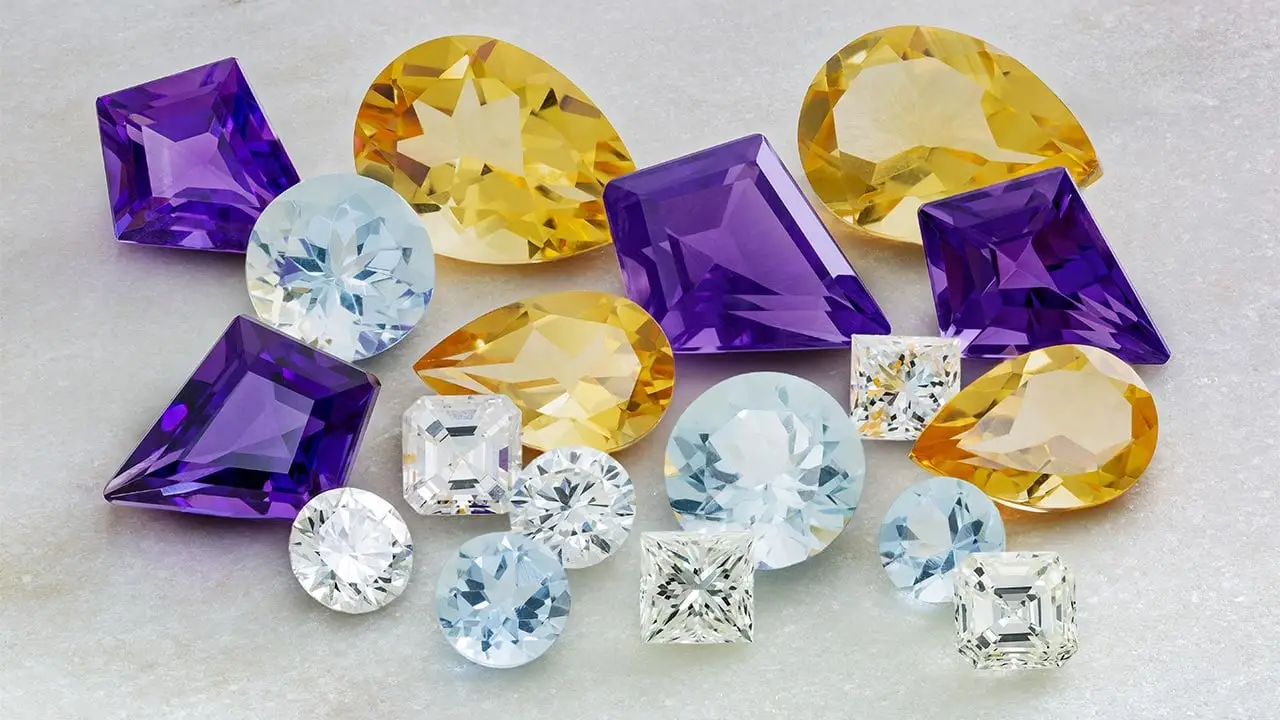
Main image: Diamonds and gemstones from Rio Grande. (Rio Grande)

What Does Love Look Like? Not Out-of-Touch Lab-Grown Messaging
The natural-diamond industry won’t attract couples by telling them synthetics devalue their relationship.

Bridal Shopping in the Age of AI
Couples are researching online, but they still want to make the ring purchase personal – and that creates opportunities.
Six Brands Serving Fresh Engagement-Ring Designs
Whether it’s hand-sculpted organic gold or reimagined divorce jewels, these designers are setting trends that resonate with bridal shoppers.