
After years without significant advertising investment, the natural-diamond industry is preparing to launch a major generic-marketing push. However, this comes at a time when natural diamonds face significant headwinds, particularly from synthetic diamonds, which have positioned themselves as cheaper, greener, and more ethically sound, and are gaining market share and positive press. In addition, natural diamonds have suffered price declines and lost their reputation as a solid investment. Given these challenges, the decision to invest heavily in advertising requires a careful analysis of the timing.
The Challenges Facing Natural Diamonds
- Price disparity: Synthetic diamonds offer a much lower price point, eroding the competitive edge of natural diamonds. As synthetic diamonds have become more affordable, natural diamonds are increasingly seen as overpriced and, for some, an unjustifiable expense, especially when the differences in appearance are minimal to the average consumer.
- Declining value and diminished investment appeal: One of the most significant challenges facing natural diamonds has been their steady price decline over the past decade. Historically marketed as a luxury asset that retained its value, natural diamonds have lost this investment appeal. Since 2011, prices have dropped, undermining their image as a stable, long-term store of value. For consumers, diamonds are no longer seen as a product that appreciates over time but as a depreciating asset.
- Ethical concerns: Beyond the environmental critiques, natural diamonds have also faced ethical scrutiny. The perception that the proceeds from diamond mining are linked to funding conflicts, such as the war in Ukraine, and the lingering association with “blood diamonds” continue to tarnish the industry. Although strides have been made in ethical sourcing, public perception lags, and synthetic diamonds have capitalized on these concerns, positioning themselves as the morally superior option.
- Environmental reputation: Beyond the ethical concerns, natural diamonds have also been increasingly portrayed as environmentally damaging. The extraction process involves significant environmental harm, particularly in terms of carbon emissions and the destruction of natural ecosystems. In contrast, synthetic diamonds, which are created in controlled laboratory conditions, are marketed as the eco-friendly choice that avoids the environmental costs of traditional mining, which according to various studies is not true.
Timing: Waiting for the Right Opportunity
Given these challenges, the natural-diamond industry must carefully consider the timing of its advertising efforts. Launching a large-scale campaign in 2024 could be a costly mistake for several reasons:
- Synthetic diamonds are still the “hot” trend: Although the hype around synthetic diamonds may have peaked, they remain highly popular among consumers, particularly due to their lower price point and perceived ethical advantages. Synthetic diamonds are still seen as the modern, innovative choice. In this environment, natural diamonds may struggle to compete. The industry might be better served by waiting until the novelty of synthetic diamonds fades and their market share stabilizes. Trying to counteract current trends with advertising now could lead to an unsatisfactory outcome, exacerbating the situation rather than resolving it.
- Oversupply and falling prices: Natural diamonds face a significant issue with oversupply, which has led to a consistent decline in prices. This erosion of value undermines their traditional positioning as a stable store of wealth. Consumers are less likely to invest in natural diamonds when they perceive them as losing value over time. Until the market reaches a better balance between supply and demand, a major promotional effort may fall flat.
- Wasting money on misaligned market conditions: Advertising is as much about timing as it is about messaging. A poorly timed campaign can be a massive drain on resources without yielding the desired results. Worse, it could further damage the brand, reinforcing the perception that natural diamonds are overpriced or out of step with modern values. Investing in advertising now, when synthetic diamonds are dominating the conversation and prices for natural diamonds are at a low, could be seen as a desperate move rather than a strategic one. By waiting for a more favorable moment — perhaps when synthetic diamonds lose some of their sheen or when natural-diamond prices begin to recover — the industry can achieve a much higher return on its investment.
Conclusion: The Case for Patience
Launching a major advertising campaign for natural diamonds in 2024 would be akin to throwing good money after bad. The market conditions are simply not conducive to a successful rebranding effort at this time. With synthetic diamonds still riding high in public perception and natural diamond supply is too high, any advertising push would likely fall on deaf ears—or worse, further cement negative perceptions.
The natural diamond industry must resist the temptation to act prematurely. Instead, it should wait for a moment when the market conditions align more favorably. When synthetic diamonds begin to lose their allure and natural diamond prices stabilize, the industry can then launch a campaign that effectively repositions its product as a valuable, ethical, and environmentally sound choice. Until that moment comes, patience remains the most prudent strategy.
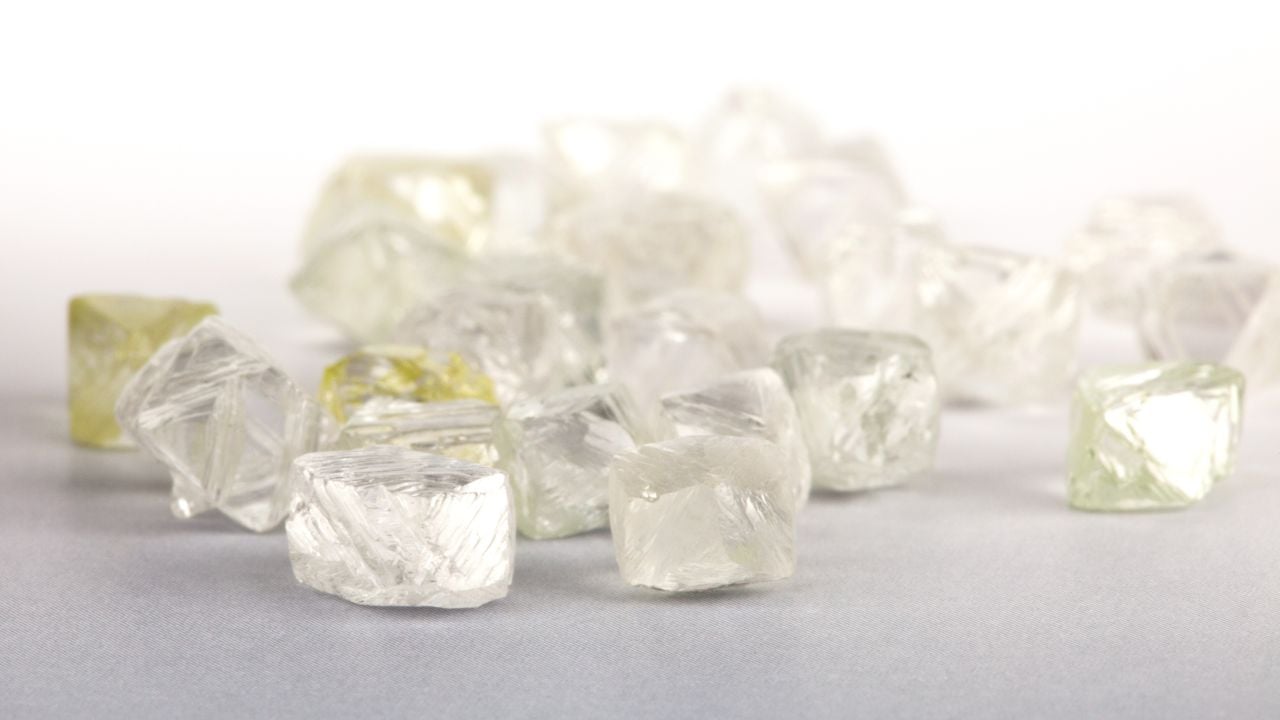
Image: Rough diamonds. (Shutterstock)