 WhatsApp
 Email
Email
 Facebook
 Twitter
 LinkedIn
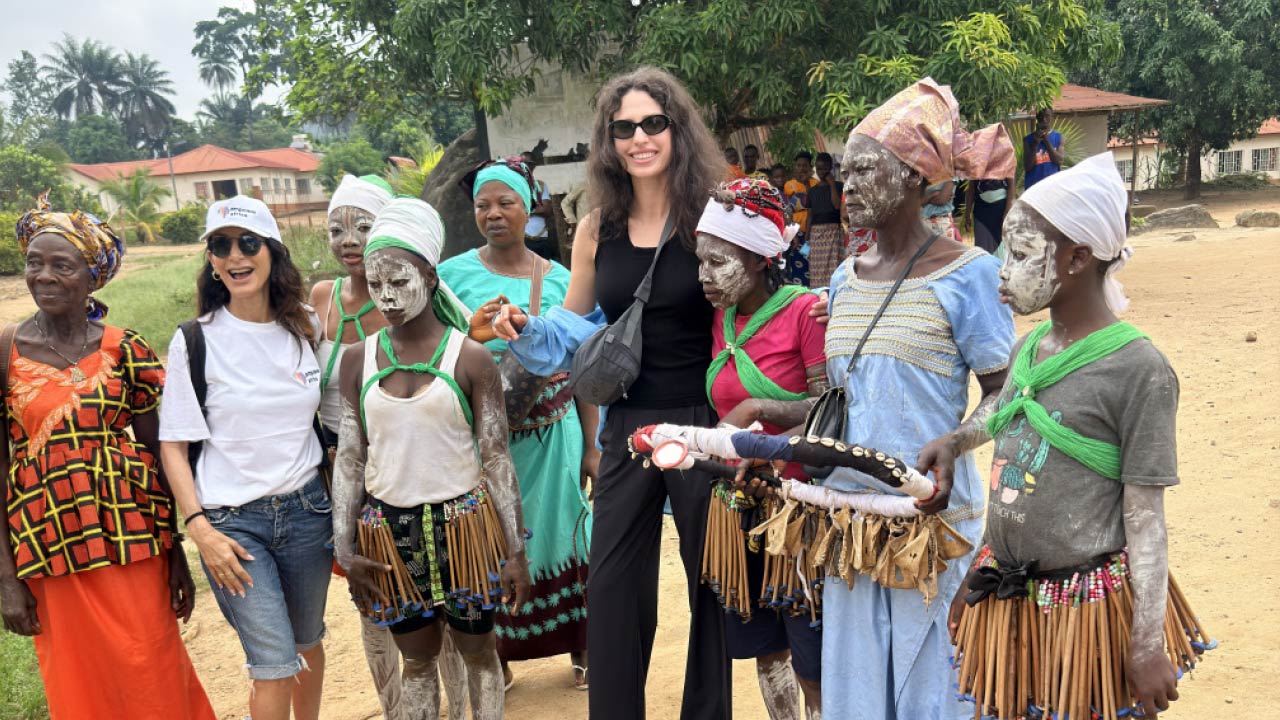
For so many years, I’ve dealt with comments regarding “blood diamonds” on many of my posts. In the past few years, I’ve also been seeing frequent comments encouraging my followers to consider lab diamonds instead of the natural diamonds I post and adore. Taking these points into consideration, having the opportunity to see firsthand the positive impact that natural diamonds have on the surrounding communities in Sierra Leone was a game-changer. Schools built, clinics built, entire communities built thanks to natural diamonds. I have never wavered in my beliefs about natural diamonds, but visiting a country like Sierra Leone, whose tragic past included the story of blood diamonds, was overwhelming: to see how the narrative has changed and how diamonds are now a means to a better life.
Many things surprised and moved me. The warm welcome we received from everyone — and I do mean everyone — we met. The hours, days, weeks spent under the scorching sun, searching for an elusive rough diamond — and more often than not, returning home empty-handed, only to start the process all over again the next day. The schools — seeing hundreds of schoolchildren receiving an education and a hot meal daily, thanks to diamond sale proceeds. The most moving was when the entire Grace Academy School in Freetown came out of their classrooms to sing their school anthem to us. It was beyond beautiful.
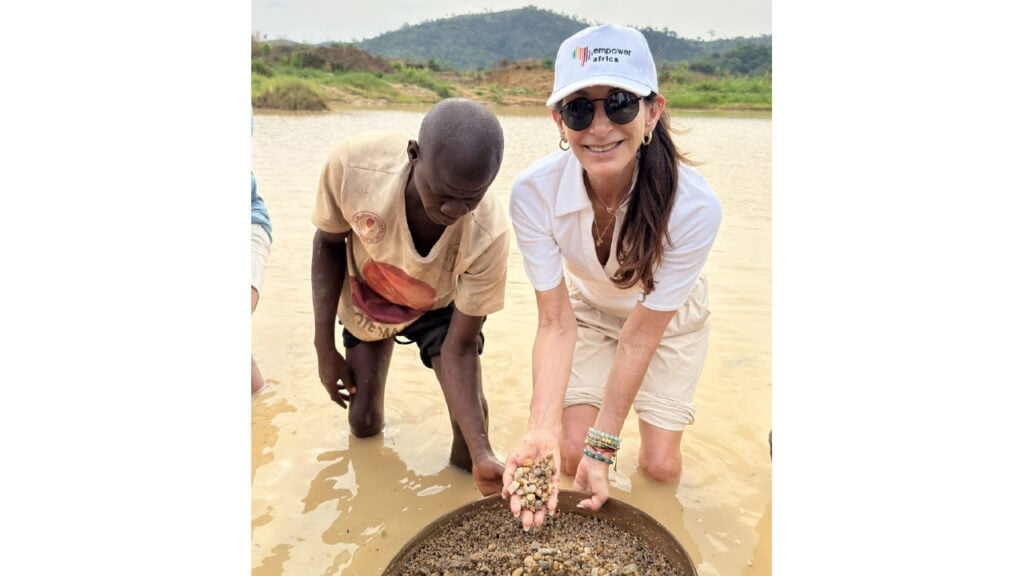
The most heartbreaking was the continued poverty that you see, and the desperate need of diamond dealers to have the narrative changed so that consumers and manufacturers appreciate Sierra Leone diamonds for what they are — magnificent rough diamonds — instead of sticking to an age-old stigma.
The best way to bring the story to consumers is with firsthand experience. We had diamond manufacturers from India and the US with us, many of whom were experiencing Africa for the first time. Moving forward, they will be able to tell the tale of Sierra Leone diamonds with conviction, having seen what can be achieved. It’s an incredible opportunity to support artisanal miners and communities, and once you’ve seen it, you’ll want to be part of such an amazing story. I would urge anyone who can to go and see for themselves. If that’s not possible, research. Understand where the diamonds come from, their history, and more importantly, the future you are creating by supporting Sierra Leone diamonds.
Main image: Tracey Ellison (second from left) with locals in Sierra Leone. (Tracey Ellison)