 WhatsApp
 Email
Email
 Facebook
 Twitter
 LinkedIn
In an increasingly volatile jewelry market fueled by rising material costs, record-breaking gold prices, and the financial risks of consignment, retailers and designers are trying to find ways to stay profitable, retain their client bases, and maintain enduring relationships with each other.
“The entire industry is being tested by these same pressures, which also include shifting distribution models and changing consumer expectations,” says New York-based jewelry adviser Mirta de Gisbert. “It’s important to implement ways to create a healthier ecosystem.”
The markup question
The cost of materials, especially with soaring gold prices, presents one of the predominant challenges both designers and retailers are facing, and raises the question about reworking pricing on the retail end.
Texas-based retailer Jo Latham recognizes these issues, but maintains that “the cost of a store’s overhead — including the space, sales force, marketing and inventory — does not allow for a change in keystone pricing.” Instead, she suggests that “retailers with multi-brand lines ensure they are working harder to educate clients [about the reasons for] the higher prices — make them aware of craftsmanship and what goes into each piece for all of the designers they carry.”
For jeweler Claudia Mae in West Palm Beach, Florida, upping the retail price is not a long-term strategy. Keystone markups — double the cost of production — “are becoming increasingly difficult to sustain,” says designer and founder Claudia Kronfeld. “Gold costs have not only increased, but increased so quickly [that] designers and retailers [have been receiving] more pushback, as we have had to raise our prices at higher and faster rates than ever.”
To help retailers keep their prices level, she and other independent designers have been selectively adjusting their own prices — taking less of a markup on some elements of their collections, such as components or strong-selling pieces, while maintaining the keystone ratio on more labor-intensive ones, for instance.
Beirut-based designer Selim Mouzannar has also been absorbing the costs without changing his margins. “But this can’t last forever,” he says. “There needs to be a new strategy that creates a better balance for everyone involved.”
Shifting the way retailers and designers share the financial risk may be the answer. “Historically, the wholesale model functioned almost like a pyramid, with retailers supporting designers through inventory commitments and distribution,” de Gisbert explains. “Over time, that has changed. Designers are carrying a greater share of the financial burden through consignment and inventory risk. Moving toward both sides sharing that responsibility more evenly could help create a more sustainable model.”
Direct approach?
For designers, a mix of wholesaling and direct-to-consumer (DTC) selling presents a viable option for optimizing sales and weathering the challenges the industry is facing.
“The obvious pivot would be for designers to make a stronger push toward DTC,” says Kronfeld, though “abandoning relationships with retailers altogether in favor of higher margins would be short-sighted. Being merchandised alongside other luxury goods creates brand awareness, [which] in turn leads to more recognition and thus more business.”
De Gisbert concurs. “DTC is not a replacement for wholesale, but rather a complement to it. Retailers remain valuable, providing designers with the infrastructure and access to new clients.” She suggests that designers adopt hybrid approaches combining wholesale partnerships with their own DTC channels.
Designer Susan Cohen of Los Angeles-based brand Circa 1700 has witnessed the combination of the two models firsthand, albeit untraditionally. She started out building a healthy DTC business, but her expansion into retail stores over the past year has opened more doors and exposed her designs to a whole new group of consumers. “Although I might have inadvertently chosen the most erratic time to expand my brand,” she says, “it has been worth it for my growth, success and evolution.”
In general, maintaining and strengthening retailer-designer relationships is vital to surviving these unpredictable times — particularly, as Latham stresses, “transparency, open communication and being aligned in our support of each other.”
Mouzannar believes strongly that “partnerships depend on retailers doing their part through thoughtful display, marketing, building a strong client portfolio, and committing to buying stock. When these elements are in place, the relationship becomes a true collaboration for both sides.”
Events and experiences
To that end, retailers are upping their game and approaching sales more innovatively. Stores that think outside the box to offer a mix of thoughtful, educational and creative experiences and events will ultimately create more meaningful ways to attract more customers.
“Trunk shows, ‘meet the designer’ events and private appointments are all opportunities for customers to engage directly with the brand,” says de Gisbert.
Latham has implemented a number of programs. On a recent trip to Europe, she brought three private clients with her to two designers’ factories and workshops, and she is committed to doing more of these visits. “It helped our customers to gain a better understanding and insight into the craftsmanship and processes involved in creating the jewelry that winds up in our store.”
She has also invested in “intentional unified and focused events for a captive audience” that have let her promote different designers. “This included an annual Valentine’s Day dinner, in which we hosted two designers with trunk shows for 60 women.”
Off-site events have also figured into her agenda, among them “a thrice-yearly pop-up at the Round Top Texas festival, which attracts busloads of women,” she relates. “Changing the setting helps get our name brand and designers out to a lot more customers.”
Targeted buying
Retailers are also analyzing how they will purchase going forward, and how to work more closely with designers that have consistently resonated with their customers. Latham is concentrating on replenishing best-selling styles and making smaller buys throughout the year rather than two bigger buys.
Kronfeld agrees that making tighter, more thoughtful selections is a good way for retailers to preserve profitability. She’s found that collaborating on exclusive pieces with certain retailers and offering them one-of-a-kind or limited-edition pieces reduces the pressure on her and other independent designers to carry wholesale inventory. It also results in more perceived value when it comes to pricing; clients become more interested in pieces that are statement-making or that they feel will be unique to them.
As de Gisbert notes, “in the end, the most resilient models will be those where both sides invest in each other’s success.”
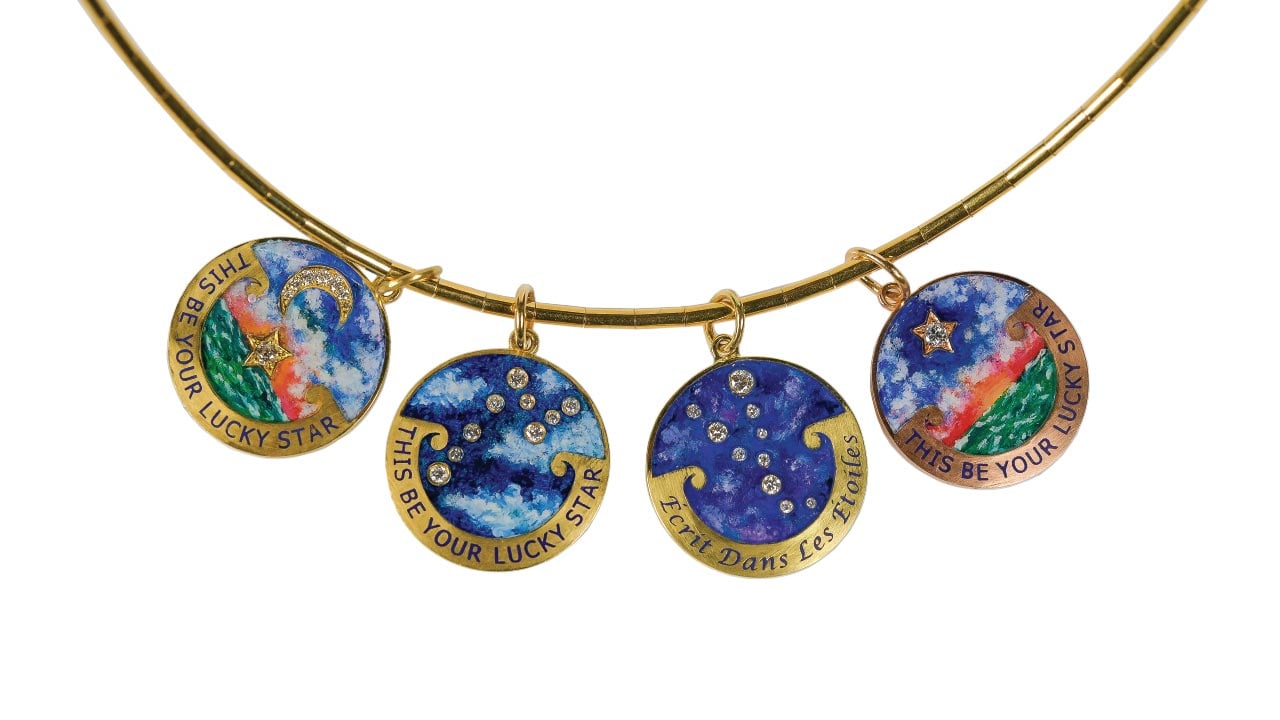
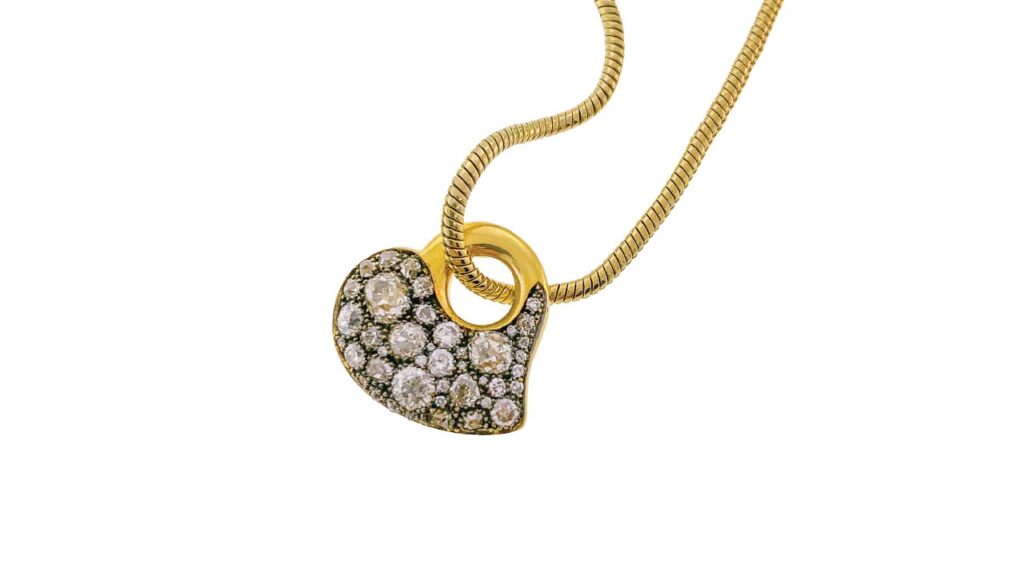
Main image: Lucky Star necklace. (Circa 1700)