 WhatsApp
 Email
Email
 Facebook
 Twitter
 LinkedIn
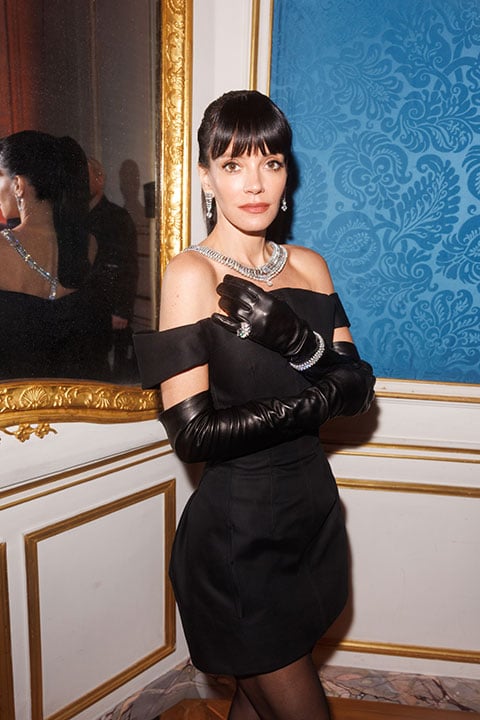
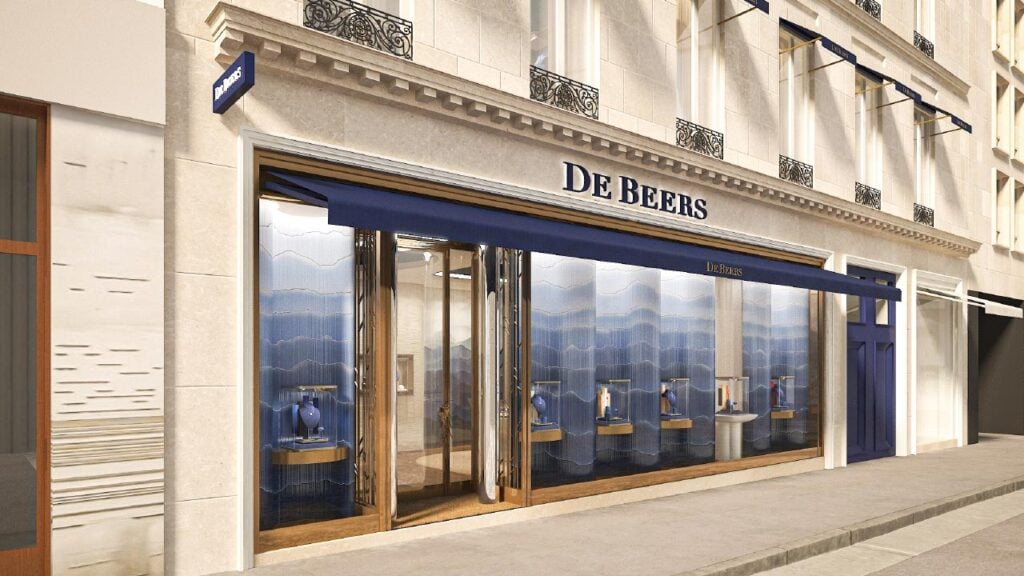
The opening of the new De Beers London flagship this past winter brought diamond radiance to a grey January day in Paris. Inside, showcases and private lounges flowed into one another, leading to an airy salon at the top of the building looking out onto Rue de la Paix. Laid out there was the Echo capsule collection — the first chapter of Vibrations, the house’s latest high-jewelry collection, which honors bodies of water in De Beers diamond-sourcing countries. For the first time in the house’s high-jewelry history, the pieces included diamonds from GemFair, De Beers Group’s artisanal and small-scale sourcing initiative.
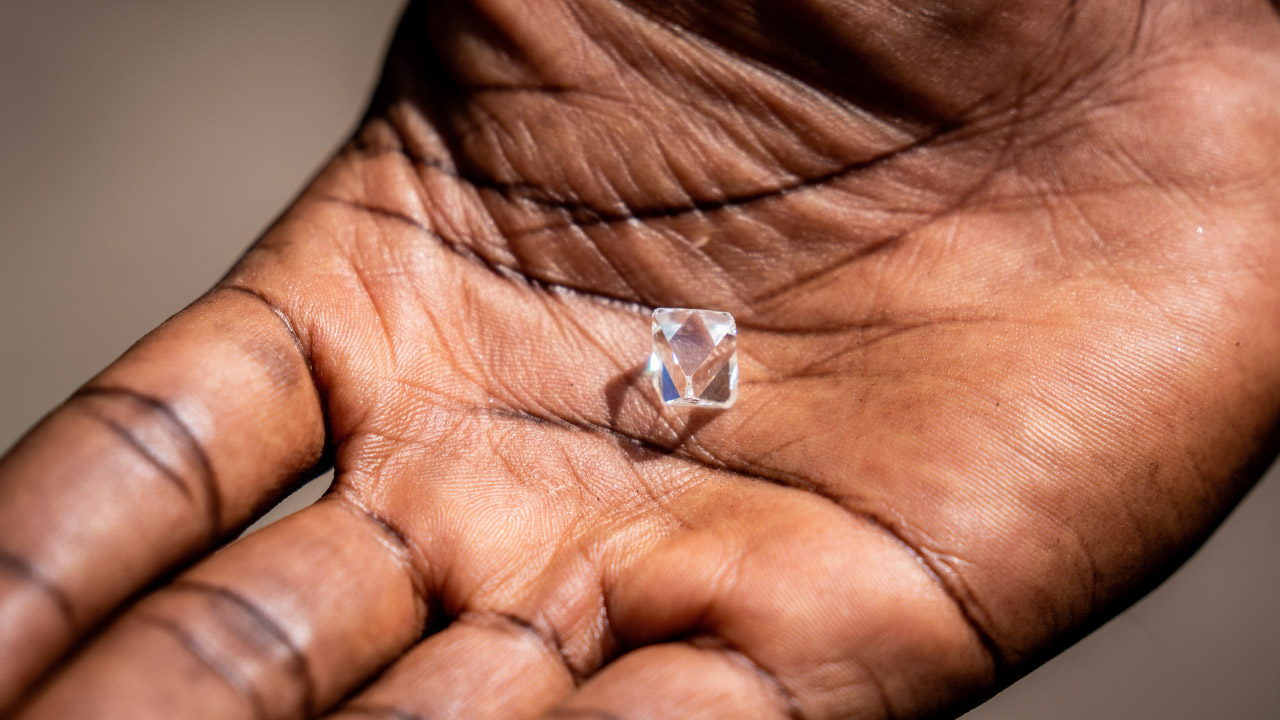
The Echo suite — which singer Lily Allen wore to spectacular effect on stage during the flagship opening party — captures the transformative power of water, reflecting the journey of the diamonds themselves from rough treasure to polished stones. Fittingly, the GemFair diamonds in the collection are alluvial diamonds, hand-mined from the riverbed that shaped them in Sierra Leone.
In the store itself, specially commissioned artwork pays tribute to the blue mountains of Namibia. Chandeliers mirror the diamond octahedron, and a kimberlite wall installation by Antwerp-based artist Ward Strootman glitters in the hallway.
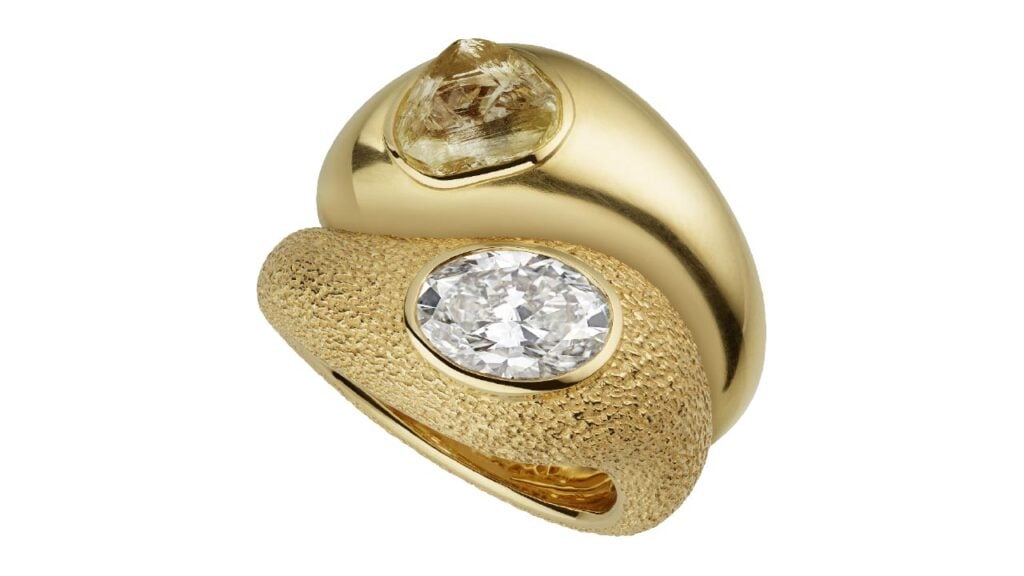
On display beside the Echo collection upstairs at the opening was the Riverborn collection, which also features GemFair stones; it pairs rough diamonds with polished in its Modern Lines jewels, as well as in its generously proportioned series of toi et moi rings that curve into one another.
‘Real impact for artisanal miners’
Launched in 2018, GemFair challenges the negative perceptions of murky supply chains, child labor, and illegal mining that surround diamonds from Sierra Leone, says GemFair head Steve Allan. The initiative seeks to counter this reputation by providing a transparent route to market, and promoting responsible practices around traceability, empowerment, fair value and inclusion. The program works with over 500 mining sites in Sierra Leone, where it supports more than 7,000 miners and invests in community development.
“GemFair is about creating real impact for artisanal miners through fair pricing, training, and land restoration,” says Allan. “What makes this capsule collection so meaningful is that these diamonds carry not only exceptional beauty, but also the story of the people behind them. Through these creations, the voice of artisanal miners reaches the consumer.”
One such voice is Kai Kanjie’s. A GemFair member miner and site manager at the Duwadu #2 site, Kanjie began mining to support his family when his father became ill. “We no longer struggle as much,” he says. “I am able to feed my family. Since I joined this work, now it is comfortable.”
Another miner, Sahr Dassah, appreciates getting training in how to protect himself while working, and being able to send his children to college. “When someone helps…your child to go and study, it is [a benefit] not for your family alone, but for the entire country.”

Bigger picture
Getting fair market value at the buying office has an immediate and far-reaching impact for the miners, but social responsibility is also about safer mining, correct licensing, human rights-focused standards, and child-labor prevention, stresses Raymond Alpha. As GemFair’s location manager for the Kono District in eastern Sierra Leone, he regularly visits the mining communities.
“My proudest moment is when I see lives being transformed,” he says. “Miners finding diamonds come in to sell to GemFair, and I see them leave in a joyous mood because of the fair value they receive. That brings hope to the miners.”
The program also looks to the longer term, encouraging backfilling so the land can become usable again once the site closes. Pits transform into fields, ensuring land productivity through agriculture for future generations, and the proceeds go to a community fund — a positive legacy for a mine.
With the Sierra Leone program well underway, GemFair has attracted interest from other African countries seeking to formalize their artisanal diamond-mining sectors. De Beers signed a memorandum of understanding with Angola in 2024 to support the development of the country’s diamond industry, including the growth of alluvial mining and the expansion of social and economic opportunities for its citizens.
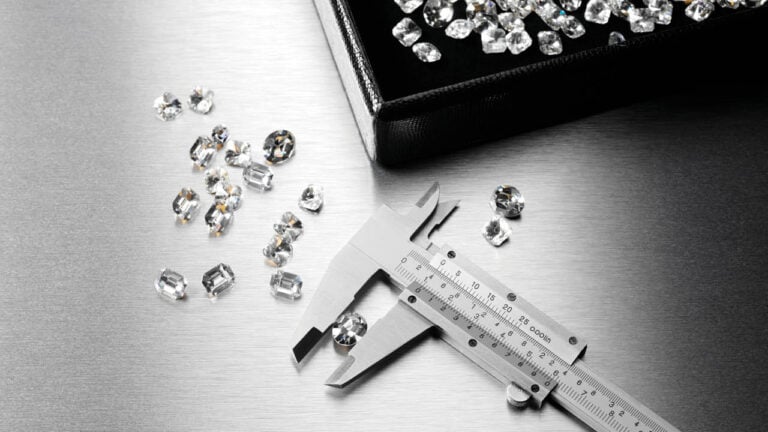
Since February, GemFair stones — which De Beers keeps separate throughout the supply chain to ensure transparency — have been available to buy though De Beers Group’s new polished-stone division. Each diamond is traceable directly to the individual who unearthed it, and now some of those stones are sparkling in display cabinets on Rue de la Paix.
“Seeing these stones set into De Beers London jewelry feels like a true full-circle moment and a powerful reminder that luxury can be both beautiful and responsible,” states Allan.
Main image: A rough diamond close-up. (De Beers)