 WhatsApp
 Email
Email
 Facebook
 Twitter
 LinkedIn
Luxury jewelry has always existed in a delicate paradox: art and engineering, sentiment and stock-keeping units. A jewelry brand is simultaneously emotion and product. Yes, we work in millimeters, carat weights, and grams of metal. But what clients are investing in is the sentiment they feel, and the story they can capture in a piece that’s uniquely theirs.
It is natural, with the surge of artificial intelligence entering the luxury space, that industry veterans are asking themselves, “Will AI replace the artisan?” The more relevant question is: “How do we weave technology into true craftsmanship so the brand experience feels even more human and meaningful than ever before?”
Rules and road maps
AI is no longer a distant abstract. It is a front-and-center business partner, compelling us to use these tools to reshape how we design, communicate and operate. It has ushered in a new reality of age-old craftsmanship coexisting alongside algorithms. The debate should not be whether luxury will adopt AI. It will. Instead, the industry should place its focus on how to harness AI for speed, accuracy and efficiency without diluting the sentiment and beauty that make luxury worthy of a client’s devotion.
The first step is to build an AI road map that is clear on the technology’s purpose — where it will accelerate ideation, reinforce precision and quality, reduce administrative drag through operational efficiency, and enable service teams to respond faster and more intentionally with clients.
Alongside that road map, AI governance must be nonnegotiable. Human scrutiny and sign-off are not bureaucracy; they’re protection. In luxury, trust is the business, and once lost, it is extraordinarily hard, if not impossible, to earn back.
If you want a functional rule for utilizing AI in luxury jewelry, it’s this: Automate what’s repeatable, measurable and routine. Modern technology has already proven its value in jewelry design and manufacturing, and confirmed it can live in harmony with artistry. Now is the time to take it to the next level.
Apt applications
Here are some areas to consider when determining how to evolve your current technology investments with AI:
• Design ideation, computer-aided design (CAD), and prototyping. CAD and 3D printing are already present in most workshops. Are you considering how to automate and integrate systems and technical practices into your real-time design process?
• Casting and manufacturing. Optimizing metal composition and throughput is a significant cost driver. If pure efficiency hasn’t prompted you to explore this in the past, the recent volatility of precious metals should be compelling you to do so immediately.
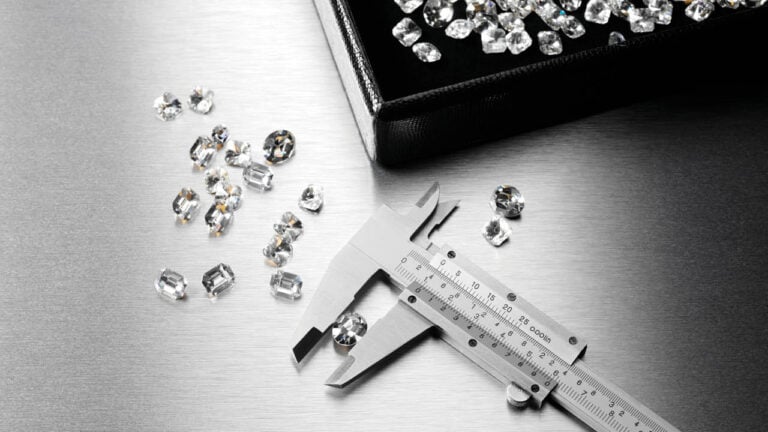
• Quality control. In the luxury space, you cannot afford to miss the smallest of details. Are you operating with a quality-control practice that is truly repeatable and reproducible? The tools, systems and functionalities for doing so have never been more present and accessible to even emerging brands.
• Reporting and analytics. Most companies operate in enterprise resource planning (ERP)- and point-of-sale-based record systems. Are you actually using the data at your fingertips? Those data points combined are your signals and validators, showing what’s working and what’s shifting, so you can make the next move with confidence.
What remains is to focus on the unmistakably human touch of luxury itself: taste and brand signature, emotional storytelling, handcrafted finishing, and room to explore new brand horizons.
Weighing the benefits
At Tacori, AI isn’t a replacement, it’s an amplifier — a way to remove friction points in the creative process and reinforce the hallmark of our longstanding quality. It’s a trusted colleague to consult, and a catalyst to create operational space for the handcrafting steps we refuse to rush.
Our philosophy as a jewelry brand? Technology should make our company more human, not less. If the application of AI can save us time and resources, we ask, “Where do we reinvest it?” If it creates room to broaden creativity, elevate quality and technique, deepen the client experience, and design with greater intention, then we invest in AI. If it creates distance from what we stand for, it isn’t worth the investment, no matter how impressive the tech looks in a demo. Placing it side-by-side with our Tacori brand pillars ensures true alignment now and going forward.
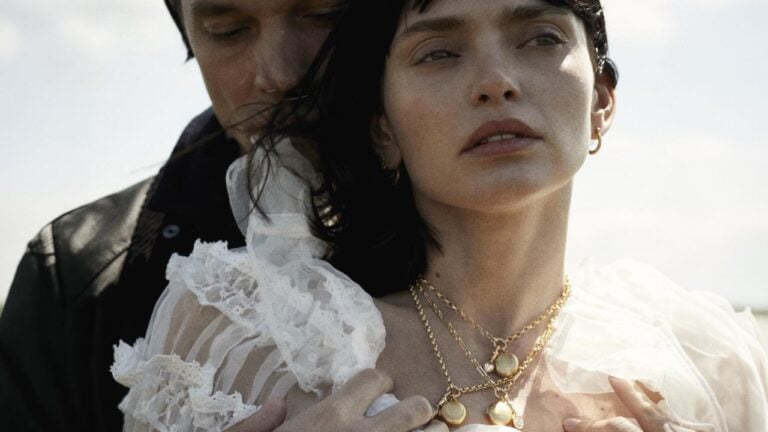
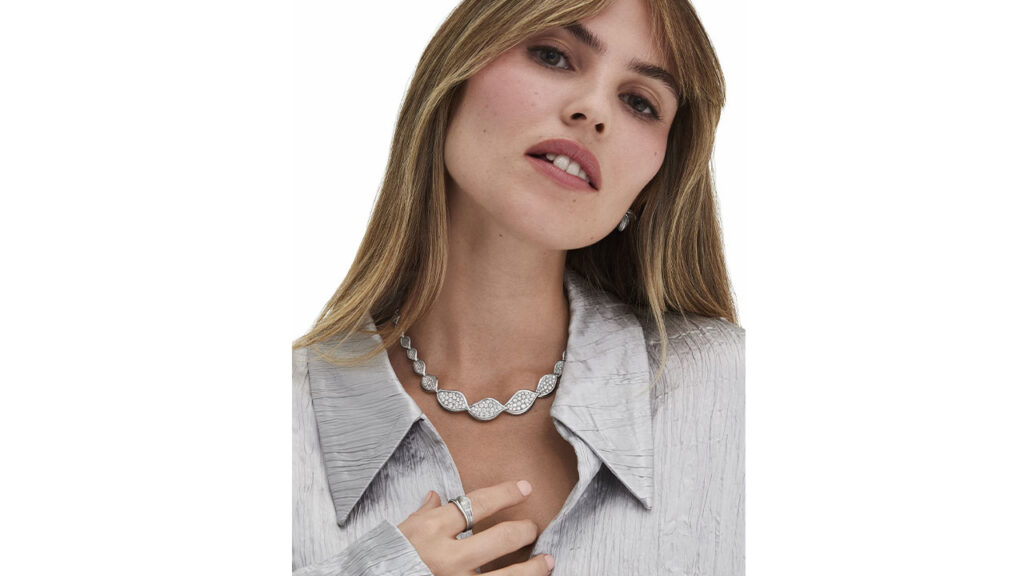
Our Dahlia collection illustrates this point. It is proof of what is fundamentally human: meaning and intention. Dahlia draws inspiration from the layered elegance of the flower, but more importantly, it builds on the touchpoints of connection, resilience, and the idea that we bloom through support — an emotional architecture no algorithm can generate with authenticity. Yes, AI can produce floral motifs. But it cannot create a story rooted in truth, expressed through disciplined design iteration, and hand-finished into a piece that exudes presence, purpose and unmistakable intention.
There to serve
Luxury jewelry doesn’t win clients by having an impressive technology stack. It wins when the client feels something they can’t fully explain. For all the high-tech enhancements of the past and those still to come, the soul of luxury jewelry still firmly resides in human hands.
The future of luxury isn’t AI versus artisan; it’s AI in service of the artisan. AI will raise the floor of what’s possible; luxury must raise the ceiling of what’s meaningful. That is the balance we are building at Tacori: modern tools, timeless techniques, and enduring American craftsmanship.
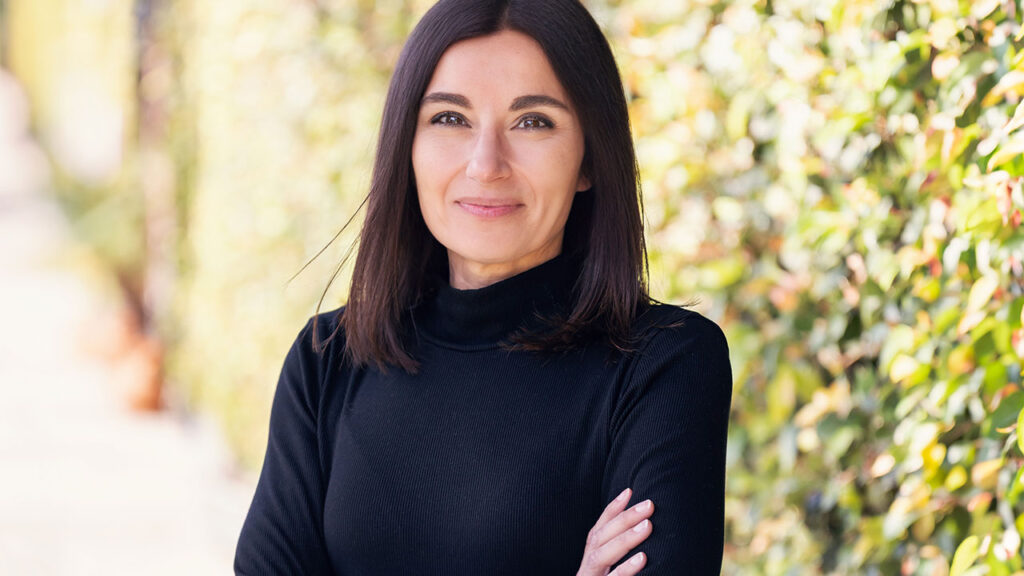
Christine Scalese is senior vice president of operations at Tacori.
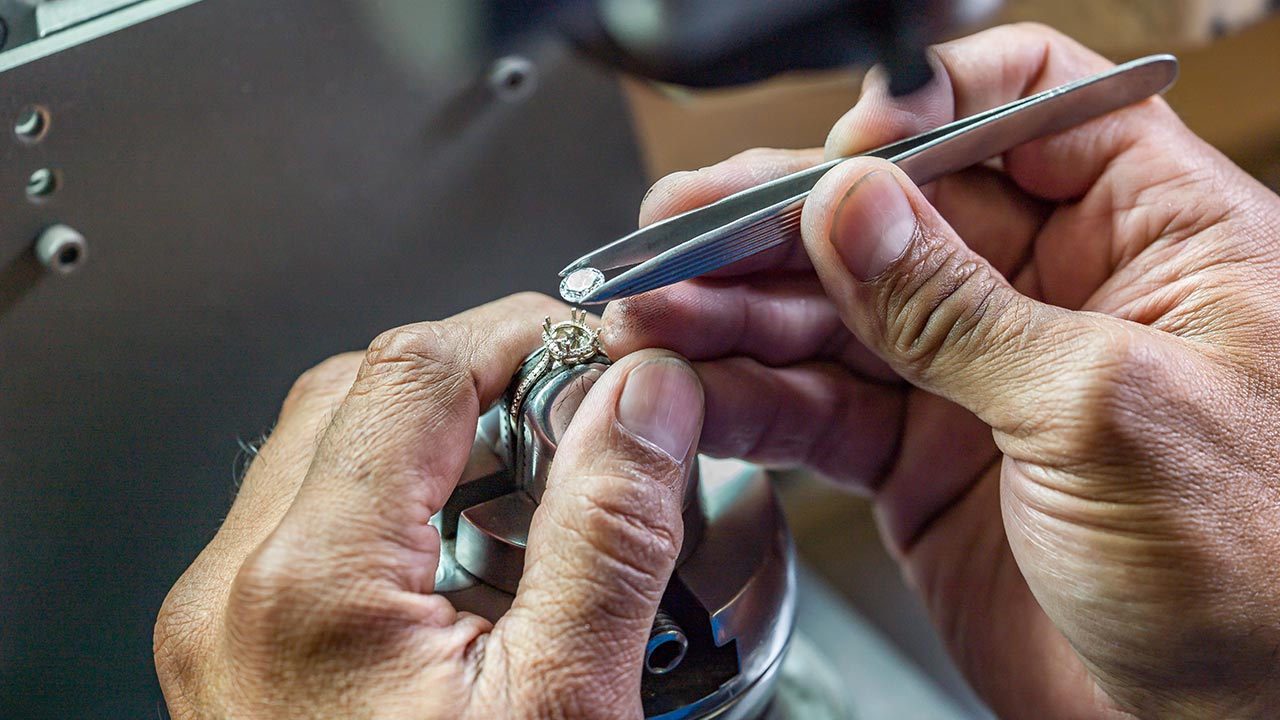
Main image: Handcrafting a ring. (Tacori)