 WhatsApp
 Email
Email
 Facebook
 Twitter
 LinkedIn
War, tariffs and soaring metal and gemstone costs have all been thrown at US jewelry stores in the last year, and while a handful of 100-year-old-plus institutions have closed up shop, many have proven as resilient and scratch-resistant as the diamonds and sapphires they vend. Some are even reporting record years in terms of sales.
Overall, the industry is seeing a continuation of spending shifts that played out in 2025: Consumers are opening their wallets for higher-ticket items, offsetting a decline in unit volumes as shoppers pull back from purchasing lower-priced goods — particularly those under $1,500.
Enter ‘premiumization’
These shifts aren’t preventing solid sales gains. On the contrary: Average revenue in 2025 was 5.6% higher than in the previous year, according to Tenoris, a firm that tracks jewelry and gem sales at 2,500 branches of US specialty jewelry retailers. In January of this year, the firm noted a 12% year-on-year rise in demand for high-end pieces. It gave this trend a name: “jewelry premiumization.”
Jewelers are adjusting to the new normal. Paul Schneider, founder of retailer Twist, has seen jewelry premiumization firsthand. The average sale at his store — which has locations in Portland, Oregon, and Seattle, Washington, as well as an online shop — increased last year even as the number of sold units declined.
“They want what they want,” he says of consumers. “Everybody’s got their limits, but [in terms of price ranges], for us, it’s over $10,000. That’s a number we never used to see that much, and now we see it all the time.”
As a result, Twist buyer (and Schneider’s wife) Lauren Eulau has not altered her orders in the slightest. “She believes in buying deep, because she wants to represent the designer as well as she can,” says Schneider, adding that he doesn’t find himself explaining material costs to consumers. “We don’t have to. We sell finished goods, and these [materials] are what the designer chose, and this is the price.”
Natural class
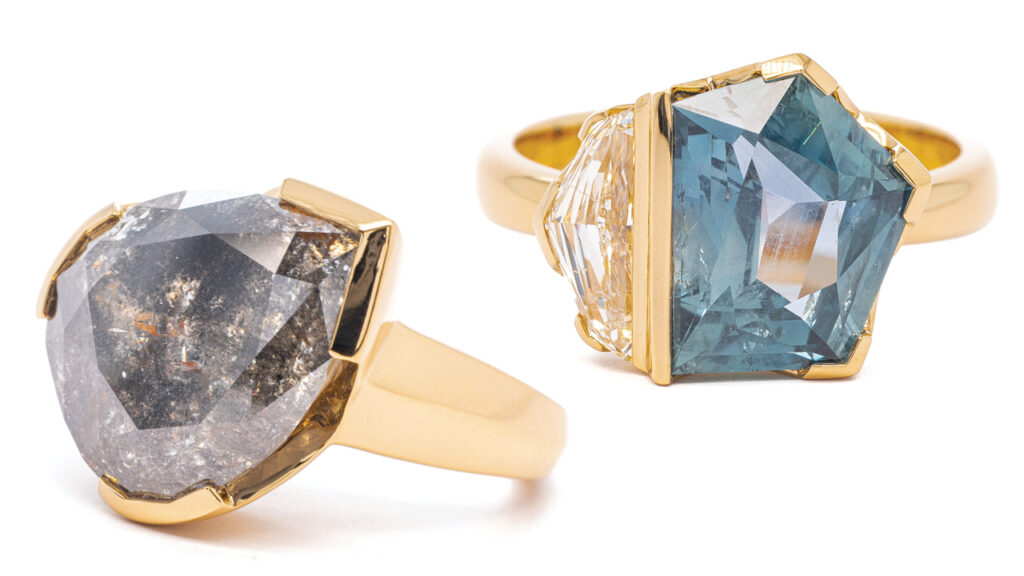
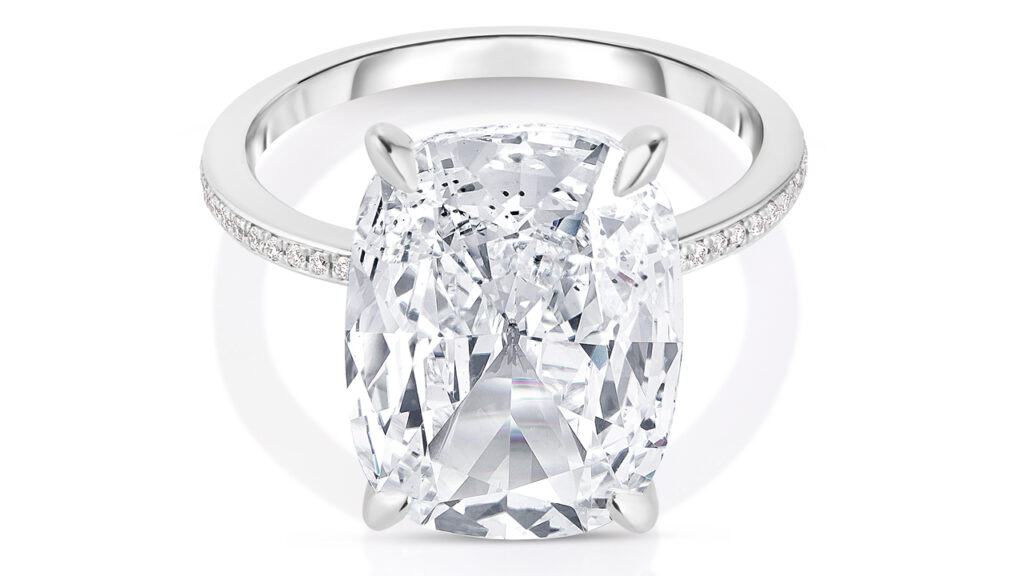
For Marisa Perry, owner of Marisa Perry Atelier in Manhattan’s West Village, an average sale runs from around $35,000 to $45,000 thanks to a growing taste among her wealthy clientele for larger natural stones. While gold certainly affects the price of an engagement ring, it’s nominal compared to the price of the diamond.
“I used to be a 2-carat store,” she says. “Now, almost every woman who walks in my store wants 3- to 3.50-carat diamonds. And I’m selling a lot more 4- and 5-carats.”
Perry — who says her sales last year were about even with 2024’s — decided early on to stick with natural diamonds but has nevertheless felt synthetics’ effect on the market. Some women have been asking for warmer-color diamonds, meaning a K, L or M on the grading scale — perhaps a visual cue that the stone is natural, she says. “Prestige used to be a white, a diamond that doesn’t show color. Now prestige is ‘I want people to know it’s real, because I want the prestige of owning a real diamond.’ When you have a little color in it, it looks real. Having a lower color is the new Chanel bag.”
The quest for gold
Meanwhile, consumers’ appetite for gold is as insatiable as ever despite — and likely because of — the precious metal’s continued stratospheric cost per ounce.
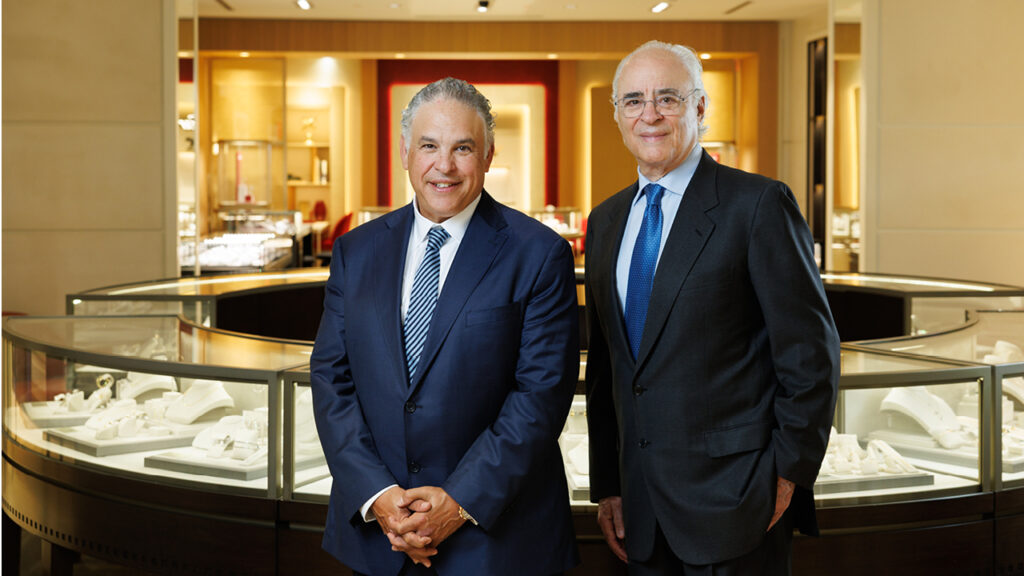
“The price of gold is certainly an issue,” concedes Jim Rosenheim, director of Tiny Jewel Box in Washington, DC. But for his customers, that issue manifests more as a psychological reaction rather than as an impediment to a sale. “There are people who gulp at the price and then say, ‘Oh, yeah. The price of gold.’ And they continue to buy.”
They don’t seem to be stopping, either: Rosenheim says he’s notched two record years in a row, with last year’s sales up a healthy 15%.
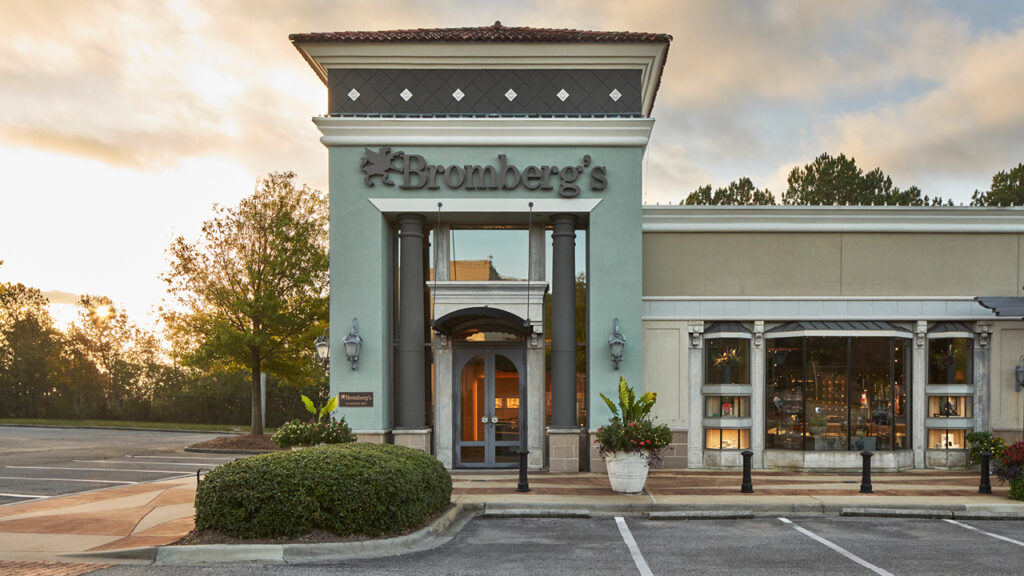
Affluent consumers have also been seeking out fine jeweler Bromberg’s — which has stores in Mountain Brook and Birmingham, Alabama — because of gold’s high price, according to vice president Brian Hood.
“Consumers are more interested in gold because it’s more valuable,” he says, citing particularly good sales of solid-gold Roberto Coin pieces.
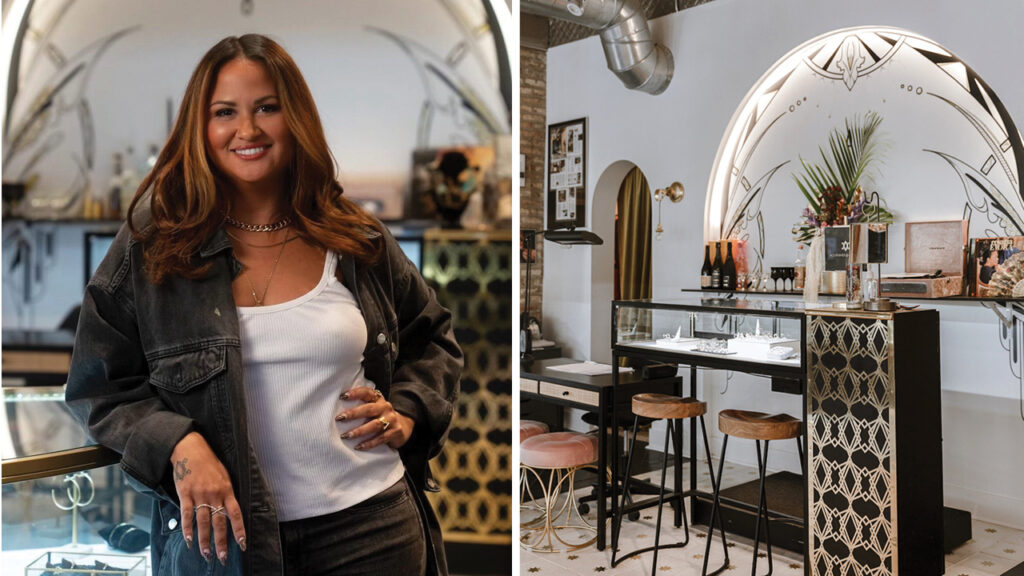
Viviana Langhoff has been capitalizing on “the eternal value of gold” for her Millennial and Gen Z clientele at her Adornment + Theory boutique in Chicago. “We thought our clients would be a little more price-sensitive based on gold’s increase, but we’ve actually had one of our best years.” That said, she worries that geopolitical forces such as the US war in Iran will dampen buying moods.
For Rebecca Overmann, who owns the showroom and boutique of the same name in San Francisco, the price of gold is particularly affecting men’s wedding band prices. “We’ve had to adjust prices slightly on pieces that are heavy, textured and hand-carved,” she says. “But we’ve met [consumers] in the middle, because we want to stay competitive and we love these pieces so much. They’re so different than just a plain classic men’s wedding band.”
In response to customer demand, Overmann is eliminating 14-karat pieces and opting for a higher gold content, using 18- to 24-karat gold mined in the Sacramento River. “Now that [gold’s rising value is] making news every day, people are making more of an investment in gold, wanting that higher karat,” she says. “[This is] true California gold.”
The import issue
Soraya Cayen has seen designers increase prices not only because of gold, but also because of import fees. To offset those increases, retailers must get creative, says the owner of the Cayen Collection boutique in Carmel-by-the-Sea, California. She works with customers to combine metals, substitute gemstones or even size down to meet their budgets.
“It’s less about absorbing the hit and more about offering the customer a smart choice at every price level,” she says.
Like Langhoff, Cayen worries about the war’s effect on consumers’ moods. “Living in a state of instability messes with people’s mind-set,” she says. “It has a psychological impact. It’s more important than ever for us in the retail sector to offer a place of respite.”
Living up to luxury
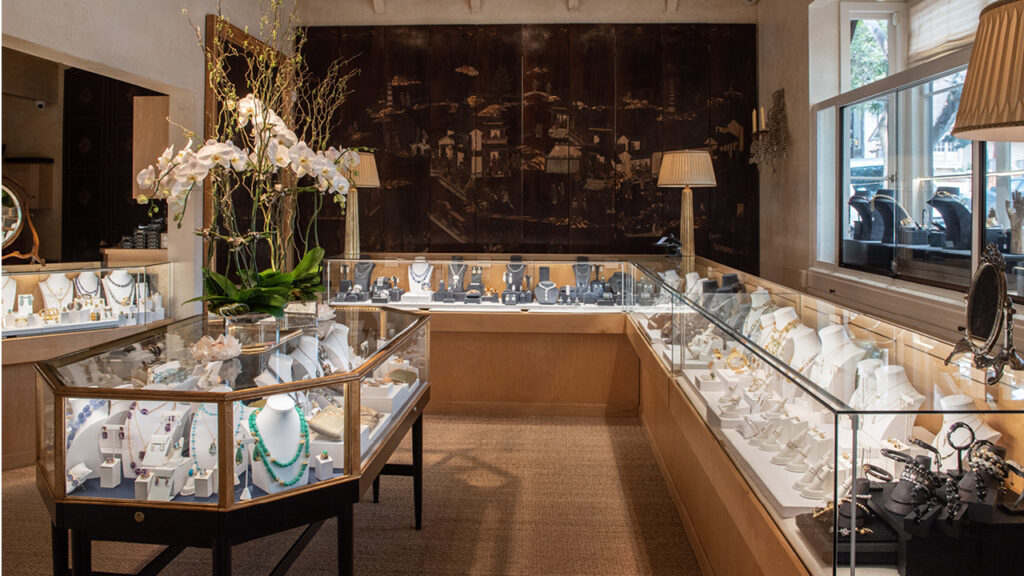
Shoppers may be opening their wallets for big-ticket items such as larger diamonds, gold, or a rainbow of gemstones, but along with those high price tags come higher expectations for the overall retail experience.
“If the experience is not spot on, you’re going to really limit the number of higher-end sales you get,” says Schneider. “And it’s not just the full-on experience; it’s how the store and salespeople are presented. It’s about everything — the mood, the lighting, the heat and the music.”
Relationships may be even more important. “We hire carefully,” says Rosenheim, who sees salespeople as the front line when it comes to customer service. “Our sales staff’s principal job is to make sure that everybody who walks through the front door has a good experience. In the long run, we’re trying to build relationships with clients, not just make sales. And that has helped to sustain us.”
Cayen echoes that sentiment. “Relationships are the number-one thing for me when it comes to Cayen Collection. Relationships with the clients and relationships with the vendors are the most valuable assets anyone can have.”
Synthetics: Yea or nay?
Lab-grown diamonds have flooded the market as cheaper production costs continue to push down prices, and demand on the part of younger consumers remains robust. US retailers continue to have strong opinions on selling natural versus synthetic diamonds, with many choosing one lane and remaining there.
Tiny Jewel Box’s Jim Rosenheim has “no confidence in lab-grown diamonds” and says he has never offered synthetics to customers. “We didn’t want to have to hide our face when they walked through the door because…we’d done something that was not in their best interest.”
Those who sell both categories face a challenge: How do you educate consumers on the pros of lab-grown, which include an affordable price and claims of sustainability, while disclosing the main con — the plummeting trade-in values?
Joseph Molfese, founder of Bella Cosa stores in Willowbrook and Wilmette, Illinois, takes the honest approach from the jump. “We are straightforward with clients that lab-grown diamonds go down in value,” he says. “The client should be able to choose. That’s our philosophy. If they have the correct information and they understand the value or lack thereof, then you are giving them the choice of a product that is already in the market in a mass-distributed way.”
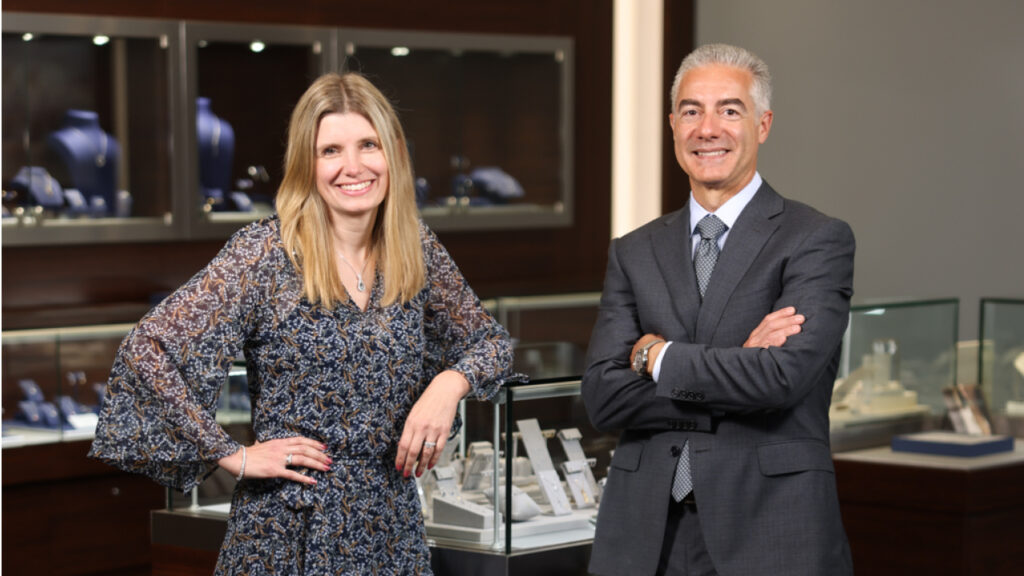
Adornment + Theory’s Viviana Langhoff has a similar view. She offers consumers both lab-grown and natural diamonds, as well as a myriad of nonconventional gemstones for engagement rings.
“We ask our customers, ‘What delights you, and what can you afford?’” she says. “If you’re classic, maybe a diamond is for you. If you wear black every day, maybe we look at a black spinel. We allow our clients to lead that conversation.”
With gold and gemstone costs now higher than ever and still rising, many US retailers continue turning to synthetic diamonds to offer customers an affordable option. “There’s a real difference in the consumer mind-set between Americans, Europeans, and other countries,” says Langhoff. “Nobody wants to say it, but we [Americans] love a deal. We’re addicted to cheap.”
Main image: Engagement ring from Bromberg’s with an oval diamond and baguettes. (Bromberg’s)