 WhatsApp
 Email
Email
 Facebook
 Twitter
 LinkedIn
History loves a tiara, especially those from Chaumet, the master jeweler of tiaras. Since Marie-Étienne Nitot established the French maison in 1780, Chaumet has made more crowns, tiaras, diadems and aigrettes than any other jeweler. Its tiaras have consistently set a high bar for design, materials and craftsmanship over nearly 250 years. Through these glittering ornaments, one can follow the prevailing styles of a given period: the colorful lives of European royals and other historical figures, from French empresses Joséphine and Marie Louise to Britain’s Queen Victoria, or the whims and desires of wealthy clients such as American artist and socialite Gertrude Vanderbilt Whitney. Indeed, from the early 19th century on, these creations in diamonds and assorted gemstones offer a glittering timeline of French history. That’s a remarkable feat.
Catching the emperor’s eye
The Chaumet story begins on a foundation of power and sentiment, with royal couple Napoleon I and Joséphine as the first of Nitot’s important clients. In 1801, Napoleon had Nitot mount the 140-carat Regent diamond in his consular sword. Around the same time, Joséphine became impressed with the work of Nitot and his son, François-Regnault, and they received the title of official jewelers to the French court. At his coronation in 1804, Napoleon carried the consular sword, and Joséphine wore a tiara by Nitot containing 1,040 diamonds.
The impact of the tiara was unambiguous: Power, nobility and beauty would define Napoleon’s reign while also affirming the quality of French design. Nitot’s jewels soon gained renown throughout Europe, with other leaders commissioning him to make crowns and various jewels.
What the Nitot family began, the company’s successive owners continued. Nitot & Fils became Fossin & Fils in 1815 when Jean-Baptiste Fossin took over, followed by Prosper Morel in 1862 and then Joseph Chaumet, who married Morel’s daughter and assumed running the company in 1885. Four years later, the firm officially took the name Chaumet. The tradition of the family-owned house remained in place until 1999, when LVMH acquired the business. From 1780 to the close of the 20th century, each of the owners added to the maison’s strength and legacy.
Natural wonders
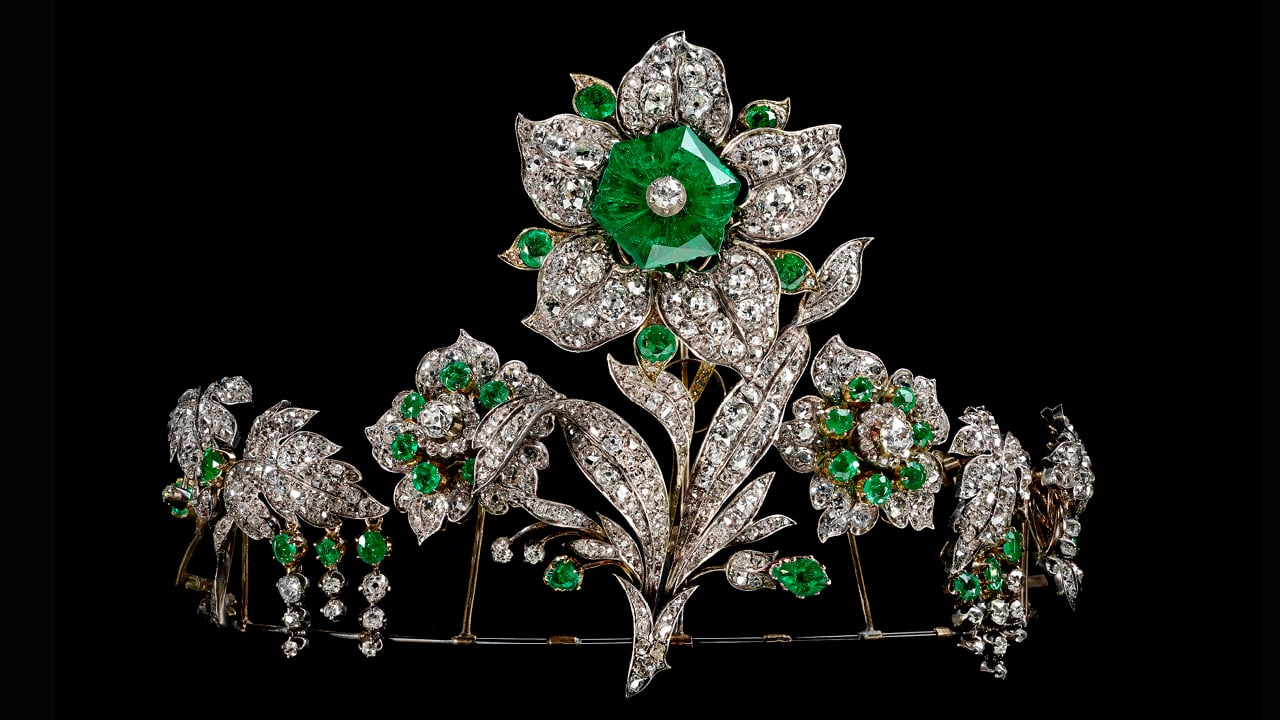
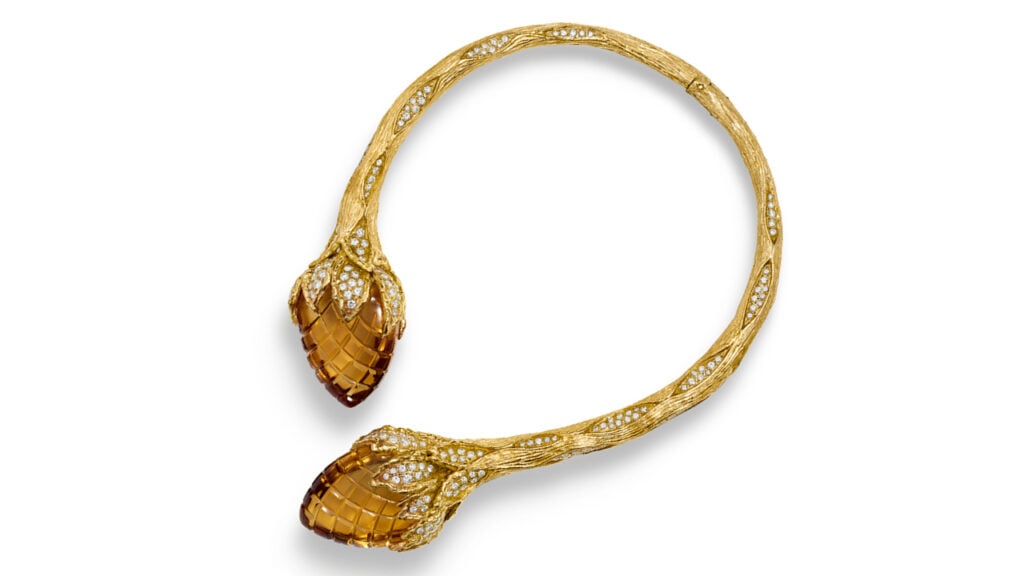
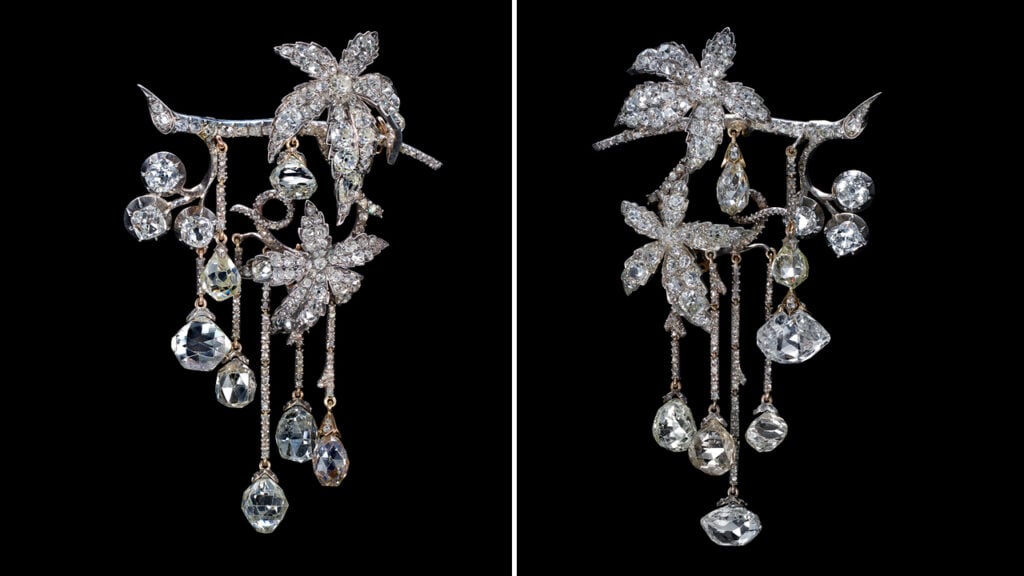
Naturalism has been a steady through line in Chaumet’s designs, with its emphasis on laurel leaves, birds, flowers, and wheat sheaves. Two standouts are the Mancini brooches and the Leuchtenberg tiara. The former, a pair of en tremblant diamond and platinum floral jewels from circa 1840 that double as hair ornaments, were named for King Louis XIV’s great love, Marie Mancini. The tiara, circa 1830 to 1840, is a stunning creation of diamond flowers with emerald centers and can transform into a brooch and hair ornaments. Both have been attributed to Fossin.
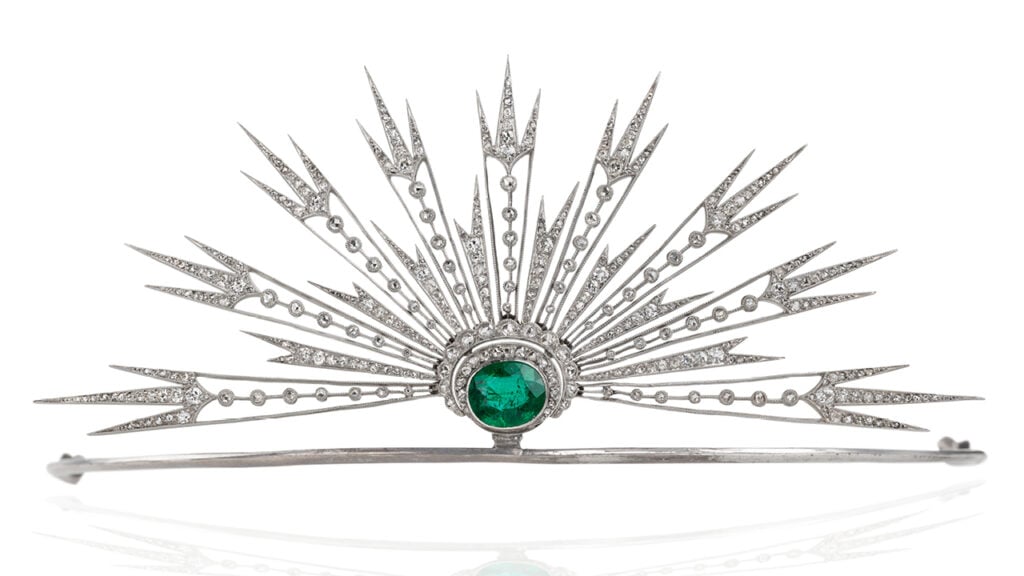
Chaumet truly soars when it comes to jewels of flight. The aigrettes — French for “egrets” — that populate the Chaumet archives are fanciful “tiara lite” creations. Less imposing than the more formal tiara, they are high-wire acts of design, diamonds on the thinnest of frames meant to nest gently in the hair. Some feature hummingbirds and swallows whose wings hover above a woman’s chignon, while others are tiny floral sprays; an occasional feather stands vertically to add height and an aura of fantasy.
The quintessence of the bird designs is the Wings aigrette of 1910, which Joseph Chaumet designed for Vanderbilt Whitney. Blue enamel and 1,274 diamonds make up the dramatic pair of wings, each nearly 6 inches wide and mounted on a frame. With her flair for drama, the heiress must have made quite an impression.
Under the hammer
At auction, historical Chaumet works with notable provenance have commanded significant results. Consider the Bessborough diamond tiara from 1931, centering a large marquise diamond from De Beers. Christie’s Geneva sold it in 2023 for CHF 945,000 (about $1.2 million today). Or the Westminster tiara, a 1911 Belle Époque blue-enamel and diamond tiara in the Kokoshnik style, which sold for CHF 677,000 ($868,360) at Christie’s in 2015.
Chaumet’s Art Deco period has always been strong — a case in point being an emerald and diamond necklace from 1930, formerly belonging to the Rothschild family, that went for $3.6 million at Christie’s in 2023. Then there’s the remarkable Burmese-ruby ring that led the 2012 Christie’s sale of philanthropist Lily Safra’s jewels. The Chaumet creation, featuring a cushion-shaped, 32.08-carat ruby, sold for CHF 6.2 million ($8 million), all of which went to charity.
The Chaumet story continues in the collectible decades of the 1960s and ’70s: Designers like René Morin, Robert Lemoine, and Pierre Sterlé reinvigorated the Chaumet name with the longstanding qualities of the house: excellence in design, materials and craftsmanship, and above all, imagination.
The historian’s take
Jewelry historian Vanessa Cron reflects on Chaumet’s legacy and masterpieces
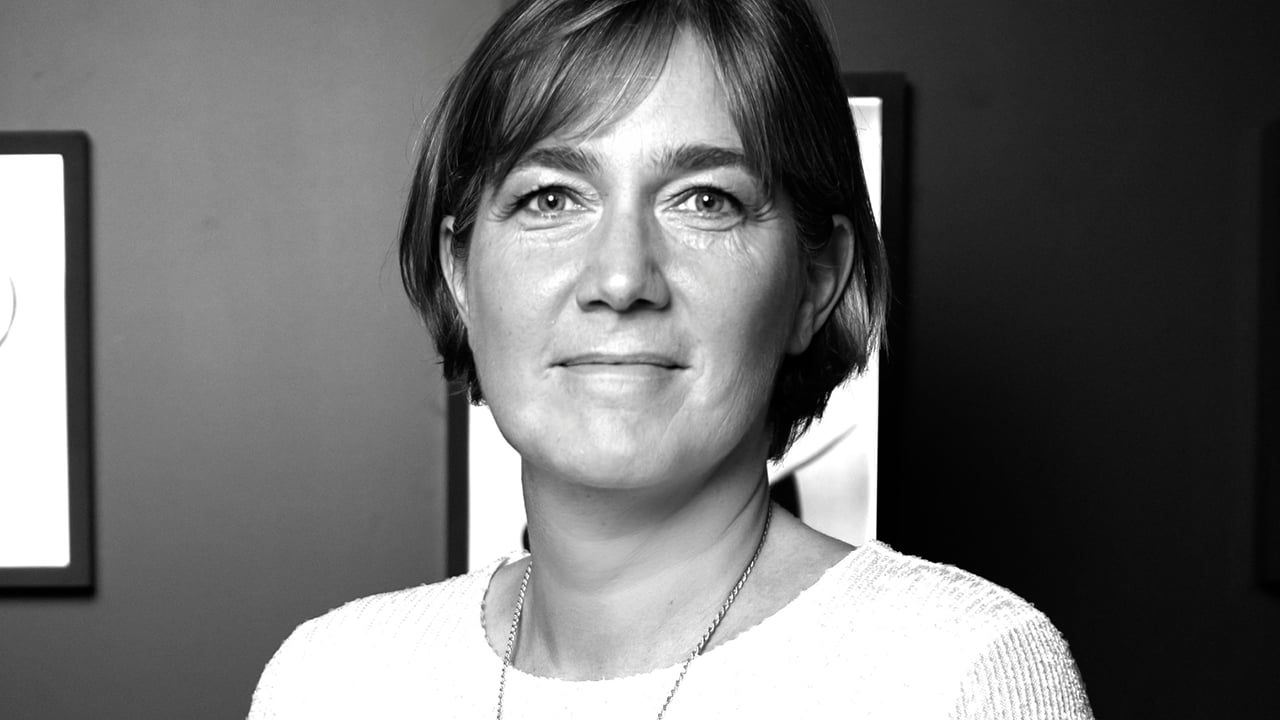
Chaumet has no single style, in part because it is one of the oldest French houses. But for me, the jewelry looks like the epitome of haute joiallerie at every stage of every decade and every style period, perhaps excluding the Art Nouveau style, which Chaumet did not really make. Through Chaumet’s production, through its craftsmanship and design, combined with the thousands of drawings and photographs in its archives, you have a blueprint for the pure history of jewelry. That is why I say that Chaumet is the best house to teach the history of jewelry.
My favorite Chaumet [pieces] are the Mancini hair ornaments, though technically they are brooches. These are my favorites because they used Taviz diamonds, which would have been unusual in mid-19th-century Europe. They came from India, where they were in fashion, [as they were] in the Middle East and Persia; you absolutely can’t find any other jewel set with Taviz diamonds in Europe at this time. One of the most important rubies I’ve ever seen was the Burmese ruby that was in the Lily Safra sale. It is one of the most important in the world, and it’s in a Chaumet mount. That’s pure high jewelry.
I also think people would be amazed by the quality of the client base at Chaumet. In spite of all the princesses and the maharajas [and other] provenance, the name that fascinates me is Gustave Eiffel. The same Eiffel who built the Eiffel Tower in 1887 also bought diamonds and rubies for his wife and daughter. I felt it was interesting that a man who had such an impact on architecture and who would be particular about craftsmanship would choose Chaumet.
When people ask me what the best jewelry is or what should they buy — meaning so that they can make money — my answer is always the same: “Buy what you like.” The best collections in the world have been put together by people who loved what they collected.
Image: Vanessa Cron
Main image: Emerald and diamond Leuchtenberg tiara by Jean-Baptiste Fossin, 1830-1840. (Chaumet)