 WhatsApp
 Email
Email
 Facebook
 Twitter
 LinkedIn
In the 1953 film Gentlemen Prefer Blondes, Marilyn Monroe famously sang that “diamonds are a girl’s best friend,” rattling off the names of Tiffany & Co., Cartier, Harry Winston, and Black, Starr & Frost-Gorham. Supposing someone rewrote the song today to reflect the most coveted jewels on the secondary market, the verse might sound much the same — only with Van Cleef & Arpels and Bulgari now joining the pantheon of desirable names.
Heritage brands remain the shorthand for enduring value, and in 2025, they continue to anchor the estate-jewelry market. Data from online luxury-collectibles marketplace 1stDibs underscores this dominance. Tiffany, Cartier, and Van Cleef & Arpels consistently rank among the top-selling houses, with Tiffany leading the pack in 2024, according to the resale platform’s latest Luxury E-Commerce Report. Orders for the US jewelry brand were up 41% year on year. Elsa Peretti’s Tiffany designs — from her Bone cuffs to her sculptural chains — surged in popularity, rising eight positions in the resale charts. Recent streaming series such as Halston — which spotlights Peretti’s close friendship with the fashion-house founder — and a Tiffany-produced book on her work have further amplified interest in her creations.
Meanwhile, demand for Bulgari’s Serpenti pieces, fueled by red-carpet appearances and nostalgia for the house’s mid-century glamour, pushed resale values up 140% last year, according to the report. Signed pieces from David Yurman and Verdura also recorded steady gains, but it is the combination of brand name and iconic design that sets the market leaders apart.
Enduring allure
Despite macroeconomic volatility, the jewelry trade’s estate sector is displaying remarkable resilience.
“High-end estate jewelry is somewhat insulated, because the buyers are less price-sensitive and accept higher prices,” says Russell Fogarty, partner at estate-jewelry buyer Kazanjian & Fogarty as well as e-commerce company Beladora in Beverly Hills, California. “However, at the mid-tier level, decreasing diamond prices, quickly increasing gold prices, and [US] tariffs ripple through both buying and selling. We can adjust the purchasing instantly, but we often narrow our margins when selling to be sure we pass along good value.”
Others say it’s not just the mid-tier level that’s seeing margin pressure. Patricia Faber has seen hesitation among buyers at the very top end, where original vintage jewels by the great houses are scarce — though when such pieces do appear, they sell competitively across dealer, consumer and auction channels, relates the co-owner of New York-based jeweler Aaron Faber Gallery. The middle range, meanwhile, remains consistently strong, since these secondary-market jewels offer both value and period styles that customers can’t find among today’s contemporary designs. Interest rates and inflation have not yet had a visible impact on demand, she adds.
The RealReal’s 2025 Resale Report offers further perspective. As the world’s biggest platform for authenticated luxury resale, the company has found that 47% of consumers now factor resale value into their new luxury purchases. Average selling prices for fine jewelry are up 17% since 2024, while sterling silver has hit record highs, and resale values for houses like Tiffany and Bulgari have set new benchmarks. Notably, searches for vintage engagement rings rose by a staggering 198% among brides-to-be this year.
Estate jewelry has firmly established itself in the mainstream, agrees Michelle Orman, head of PR and communications for US Antique Shows, which organizes the Original Miami Beach Antique Show and the Las Vegas Antique Jewelry & Watch Show, among others. “There’s more awareness about the marketplace in general; we’re seeing more and more stories in consumer media highlighting the appeal of antique, vintage and estate jewelry from a style and fashion perspective, and celebrity culture seems to have fully embraced mixing estate pieces into their contemporary collections.”
What’s (re)selling
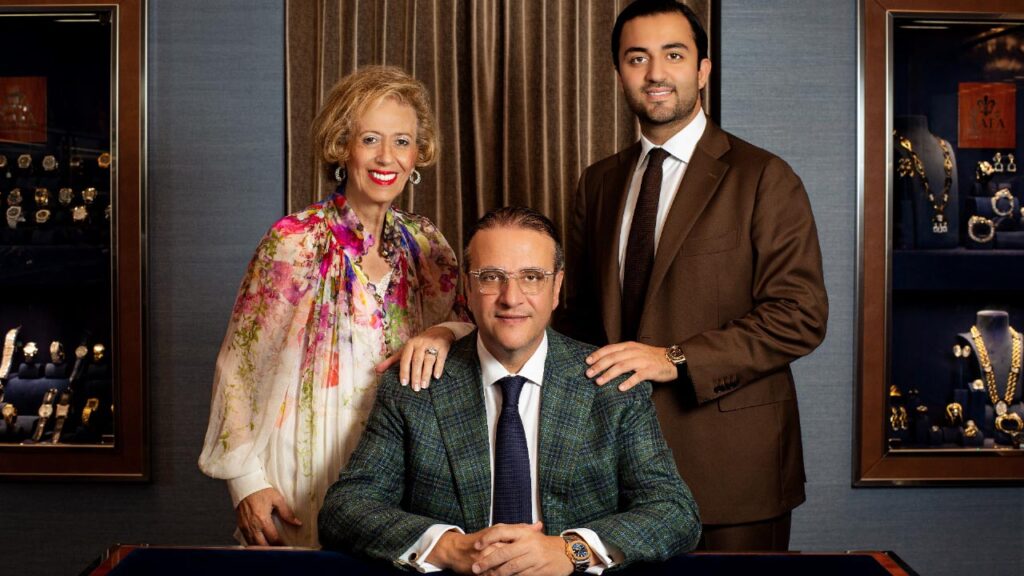
Collectors are also rethinking their approach to acquisitions. Buyers increasingly see jewelry as an “alternative asset,” comparable to art or watches, according to Tyler Moradof, principal at Yafa Signed Jewels in New York and Palm Beach, Florida. Instead of accumulating volume, his clients are curating intentional collections, focusing on singular, extraordinary pieces.
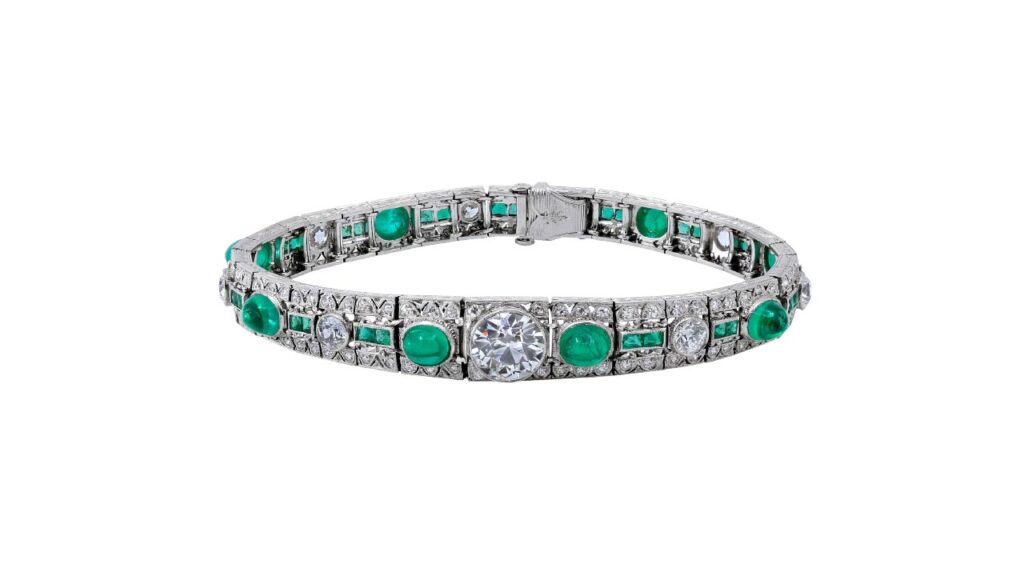
As for the eras attracting the most attention, Art Deco remains evergreen, its geometry and precision “as modern today as they were a century ago,” says Briony Raymond, founder and CEO of the eponymous New York jeweler. She also highlights the resurgence of bold, playful 1960s through ’80s designs, which clients are mixing with Deco classics to create fresh, individual collections.
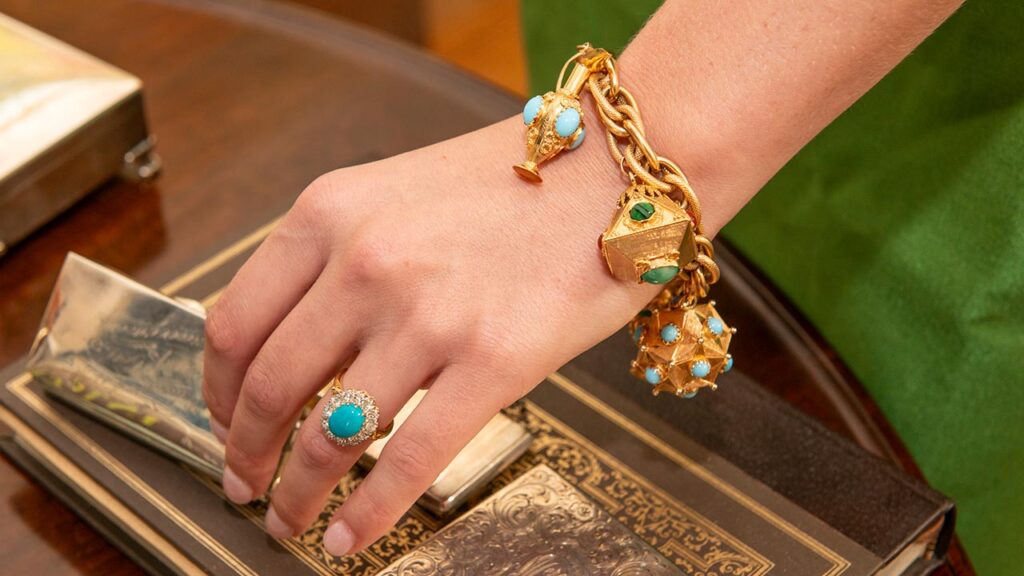
Gold and gem-set jewels from the ’70s and ’80s are on the rise as well, as they’re ideally suited to today’s more casual lifestyles. So say both Adam Patrick and Marianne Fisher — respectively the managing director at New York antique dealer A La Vieille Russie, and president of online platform The Jewelers Circle, which specializes in antique and signed pieces.
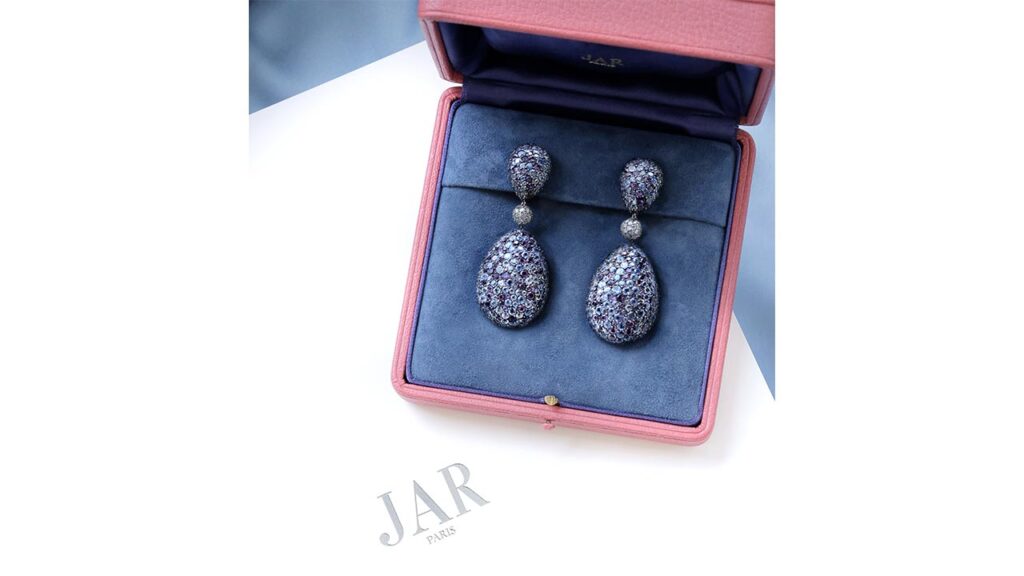
Jeweler Ben Macklowe has found that social habits are reshaping what clients are seeking. “Far more than the economics, we’ve felt the impact of an evolution of social demands: fewer — but still meaningful — black tie events and galas, more desire for everyday pieces,” says the co-owner of New York’s Macklowe Gallery. Buyers are seeking items that are both wearable and versatile, moving estate jewelry from the vault into daily life.
Like other dealers, Faber highlights a divergence between categories: High-end vintage wristwatches are climbing sharply in price as supply tightens, while jewelry buyers are essentially holding steady, with most transactions falling in the $2,500 to $10,000 range. Jewelry, she says, is a healthy mid-market segment where choice remains broader than in the vintage watch trade.
And appetite is far from waning. Macklowe has “not seen any slowdown” in the amount clients spend on estate jewelry, and in fact has seen the average spending amount rise. As brand-name houses raise their prices for new pieces, and with gold and gemstone values climbing, secondary-market jewelry is on a similar upward trajectory.
Beyond the signature
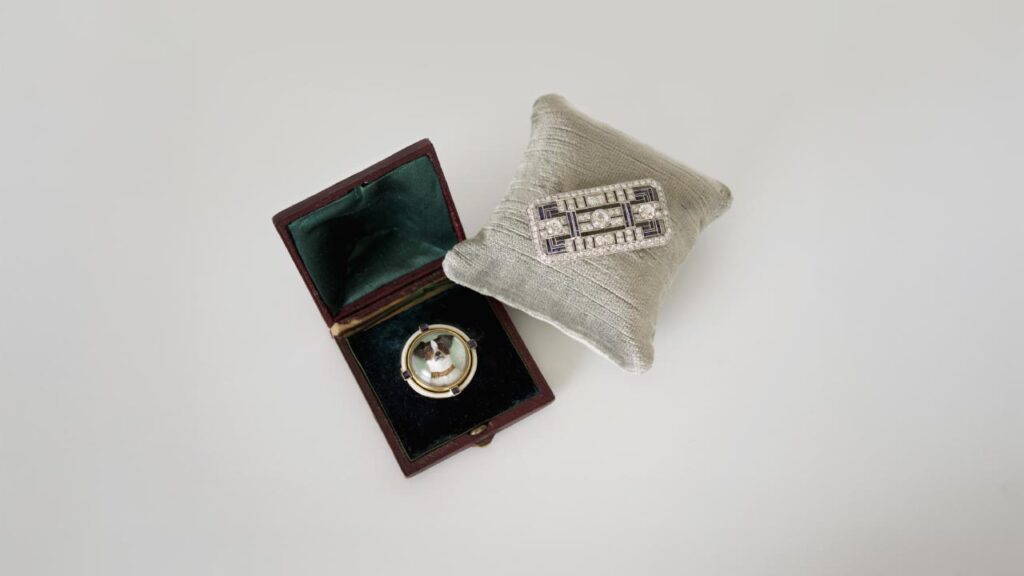
Signed pieces from heritage houses continue to command a premium, as their provenance and resale value reassure buyers. However, dealers note a growing openness to unsigned jewels, which can carry equal appeal — often at a more accessible price.
“While clients tend to trust the brands behind signed pieces like Cartier, Van Cleef & Arpels, and Bulgari, the growing demand for vintage jewelry and the rising cost of gold make unsigned antique and vintage pieces an attractive and cost-effective alternative [that’s] often just as beautiful,” comments New York-based jewelry dealer and designer Lauren Addison.
Michelle Orman of US Antique Shows sees this shift as a sign of growing sophistication.
“Signed pieces have always performed well, especially from major maisons like Van Cleef & Arpels, Cartier, David Webb, and Verdura, but we are seeing an increased interest in unsigned period pieces. People like a particular look, and they don’t necessarily need the piece signed by a major house, which tends to bring the price up significantly,” she explains. “Consumers are more educated and informed, and when they work with a trusted dealer who can point out hallmarks of quality, they feel good about their purchase.”
Ultimately what matters most is excellence. As designer Briony Raymond puts it, “whether signed or unsigned, if the design, materials and craftsmanship are extraordinary, that’s what truly sets a piece apart. The magic lies in owning something rare and exceptional — signature or not.”
Staying power, celebrities and the circular economy
The estate market appeals to a broad buyer base, from seasoned families building legacy collections to younger, globally minded connoisseurs. Moradof divides his clientele into two camps: established collectors who invest long-term, and younger demographics in cities like New York, London, Dubai and Hong Kong, who may acquire fewer pieces but are highly discerning, seeking strong heritage or symbolism. He expects that focus on discernment to deepen, with provenance and artistry carrying even greater weight as economic uncertainty lingers.
Indeed, the rising costs of the materials that make up fine jewelry have prompted many shoppers to see greater value in estate purchases, says Orman. “Nobody is looking at it as an investment in terms of something they may want to ‘flip,’” she clarifies; rather, “they feel more confident knowing their purchase will not only hold value, but increase in value.”
Celebrity culture has further magnified the segment’s popularity. Sebastian Kaufmann — cofounder and CEO of JWL, a digital marketplace for pre-owned fine jewels — points to pop icon Taylor Swift’s engagement ring, which introduced her hundreds of millions of followers to old mine cuts and bezel settings. He also credits the star-studded July 2024 Ambani wedding with bringing vintage looks to an audience in the billions.
Still, dealers agree that the core appeal lies deeper than celebrity styling.
“When celebrities get engaged with antique diamonds, it definitely drives attention,” acknowledges Joseph Denaburg, marketing director and digital strategist at Levy’s Fine Jewelry in Birmingham, Alabama. “But vintage engagement rings were already popular. What resonates is the idea of owning something one-of-a-kind, a jewel that has seen a century of life and will outlast us.”
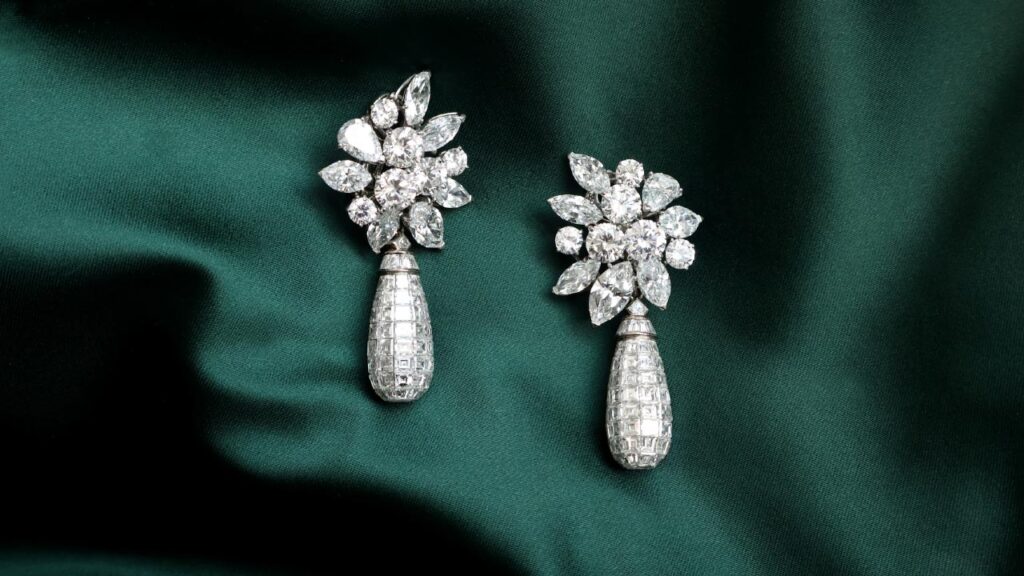
One of the estate-jewelry industry’s strongest narratives is its inherently sustainable model. “We love to call estate jewelry the world’s first recycling project,” says Rhett Ramsay Outten, co-owner of Croghan’s Jewel Box in Charleston, South Carolina. While sustainability is rarely the primary buying motivation, it provides a meaningful subtext for clients who are increasingly attentive to circular-economy values, she adds.
Raymond frames sustainability as inseparable from beauty: “Choosing vintage is inherently responsible. It honors existing craftsmanship and gives new life to jewels that already carry history.”
The supply side
Sourcing has become increasingly competitive as supply tightens. Fogarty estimates that 90% of pieces come from private sellers, either directly or indirectly, with auction houses and resale platforms also contributing to the mix. Macklowe emphasizes the importance of nurturing private client relationships, referring to them as “our best opportunity for discovering literal hidden gems.”
With auctions attracting more hobbyist collectors since the pandemic, seasoned dealers are doubling down on trusted private sources. At the same time, everyone is leaning into digital platforms. Online sales have democratized access, with signed jewels thriving because their hallmarks offer immediate reassurance of quality. Independent retailers are creating estate corners to meet demand, while veteran dealers with strong reputations continue to flourish by combining expertise with digital reach.
Despite healthy demand, supply remains the market’s chief challenge. “Fewer pieces are in circulation and coming to market, which creates a very competitive environment,” says A La Vieille Russie’s Patrick.
Dealers are also navigating volatile gold and diamond markets, and margin pressures can force even experienced players to walk away from standout jewels.
“There have been a few beautiful pieces that we have had to let go because they were priced too high to turn around and sell to our customers,” relates Ramsay Outten. “It is all about the negotiation, which can be challenging.”
Yet sometimes the right find will turn up organically. Collectors at the Original Miami Beach Antique Show often arrive without a plan but light up when they stumble upon the perfect piece, “like a kid in a candy store,” relates Orman. The new Coconut Grove Jewelry & Watch Show, which took place in Miami from November 14 to 16, featured more than 80 dealers and aimed to capture the same spirit of discovery.
While signed pieces from the most prestigious houses dominate demand, there is also renewed appreciation for unsigned jewels of quality.
“Most of our clients ask for signed jewelry,” says dealer Rick Shatz of the eponymous New York company, “but occasionally someone just wants something beautiful, regardless of the signature. That’s the beauty of this market: It has room for both.”
The new generation
Dealers are noticing a generational shift, with “younger customers [having] a renewed interest in the quest for estate jewelry and one-of-a-kind items,” says Rhett Ramsay Outten of Croghan’s Jewel Box. “Many of our local customers are used to collecting estate jewelry because their grandmothers and mothers did.”
Millennials and Gen Z in particular are driving growth, reports Julie Leriche Thompson, chief operating officer of The Jewelers Circle. “They are drawn to the uniqueness and sustainability of vintage jewelry — pieces with history and character that stand apart. They value authenticity, craftsmanship, and the idea of owning something that tells a story, while also appreciating that vintage offers access to iconic designs and renowned maisons at more approachable price points.”
Sebastian Kaufmann of JWL describes this new generation as layered and sophisticated: Some are expert enough to identify unsigned gems at entry prices, while others view signed pieces as investable assets, calculating how a vintage Bulgari will perform in the market.
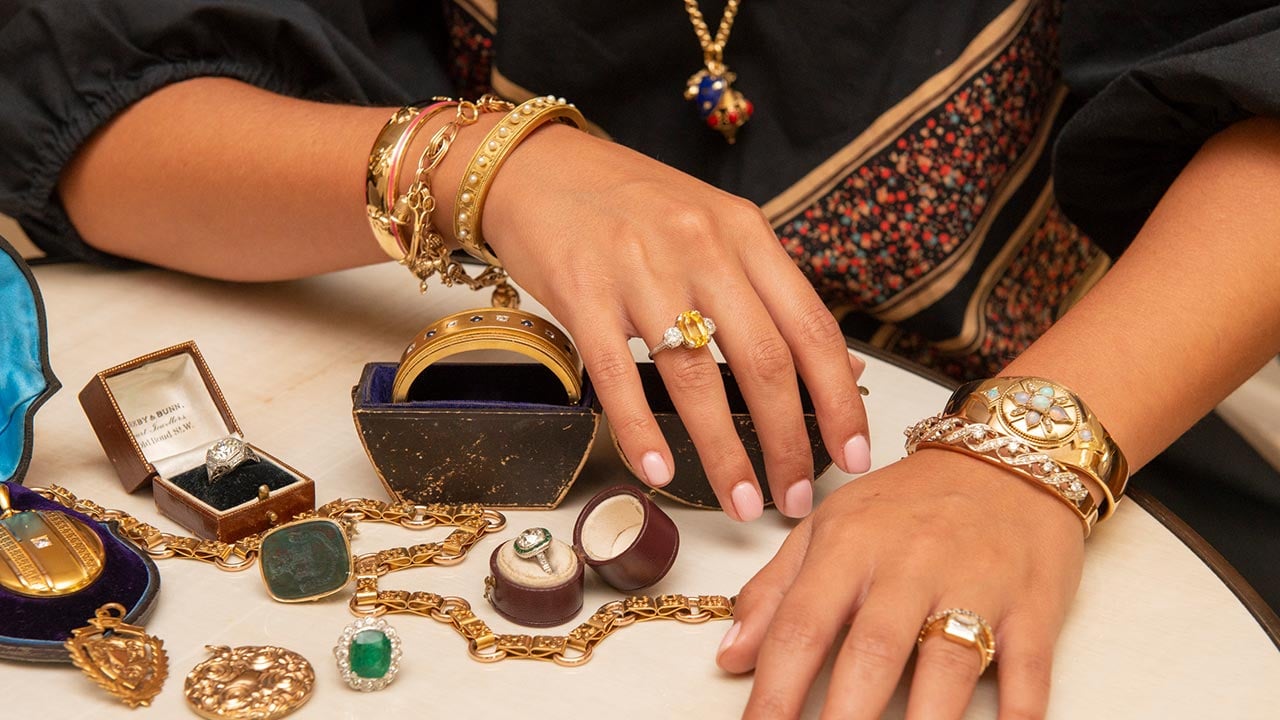
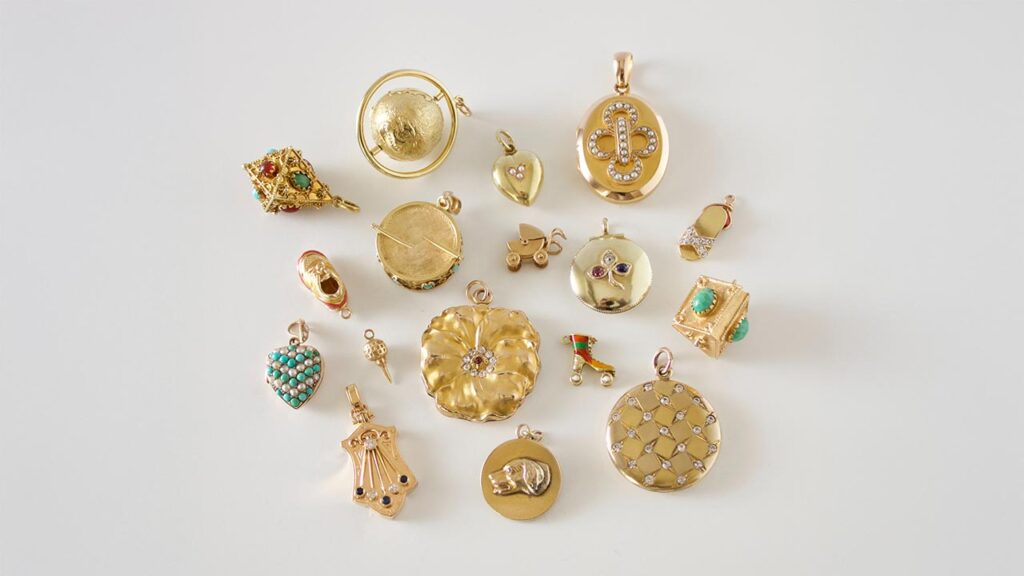
Main image: An array of pieces from Croghan’s Jewel Box. (Croghan’s Jewel Box)