
Pandora will disclose all carbon emissions on every synthetic diamond it sells, claiming its lab-grown has a 90% smaller footprint than a natural stone.
The Danish jeweler is introducing a “fifth C” for carbon footprint, alongside the traditional 4Cs: cut, color, clarity and carat. The information will include the entire synthetic diamond crafting process, from producing the raw materials used to grow the diamond, through the cutting and polishing phase, Pandora said Wednesday.
The company based the 90% figure on a comparison with carbon emissions involved in producing and cutting a mined diamond as noted in a 2019 study from the Diamond Producer’s Association, which is now the Natural Diamond Council (NDC).
“We believe the future is about making diamonds more accessible while giving customers clarity on what they’re buying,” said Pandora CEO Berta de Pablos-Barbier. “We craft our jewelry with sustainability in mind, and by introducing the fifth C, we’re empowering consumers to make informed choices.”
A 1-carat synthetic Pandora diamond has 12.58 kilograms of carbon dioxide emissions, which is around 90% lower than a mined diamond of the same size, the company claims. The jeweler likens the footprint to that of making a pair of jeans.
Pandora stopped using mined diamonds in 2021, and in May of that year, it introduced Pandora Brilliance, its first lab-grown line, in the UK. After a short test, it debuted the collection in North America in 2022. The stones are now available in the US, the UK, Canada, Australia, New Zealand and Denmark. It plans to extend the line to other countries soon, it said. Pandora claims to use 100% renewable electricity to create its stones.
External life-cycle assessment experts calculated the carbon footprint of Pandora’s lab-grown diamonds. The Danish jeweler then published the results in a study that auditing firm EY verified, the company explained. Pandora plans to share its findings with other jewelry makers, it said.
“As consumers demand greater knowledge of how their products are made, transparency is becoming a defining force for brands,” de Pablos-Barbier added. “We are happy to share our learnings with others.”
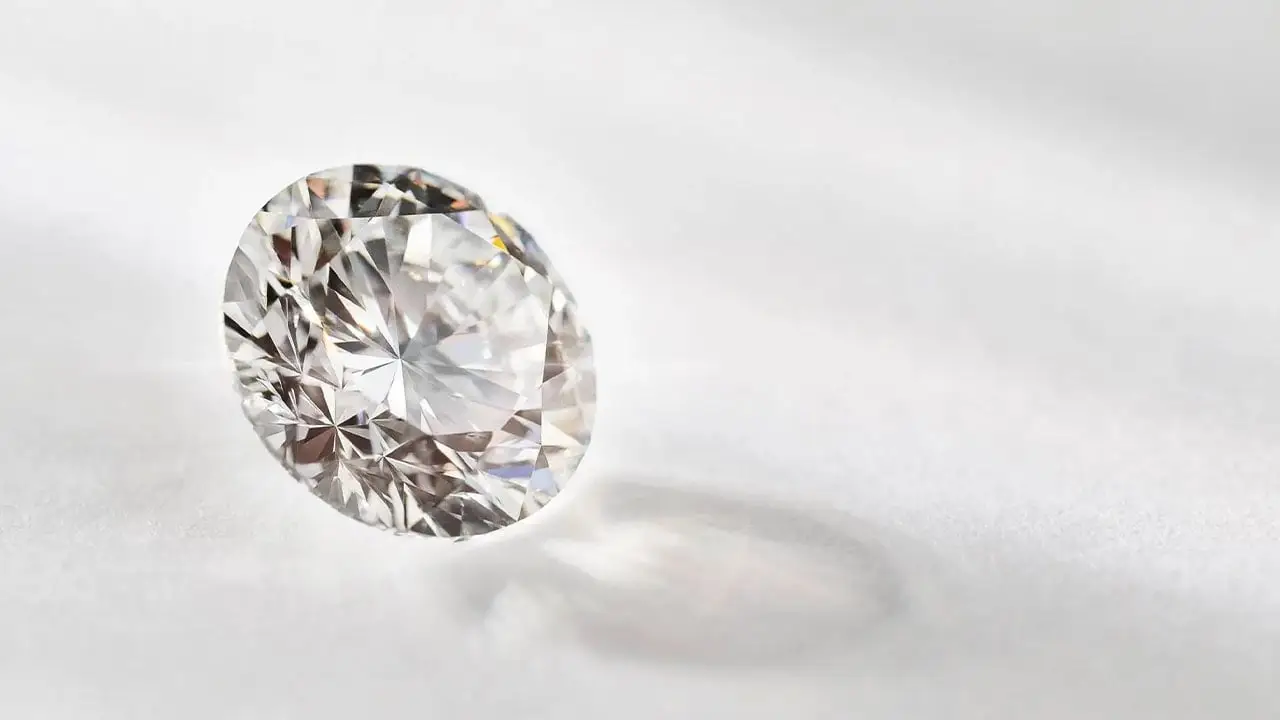
Image: A Pandora lab-grown diamond. (Pandora)