

RAPAPORT… The US Federal Trade Commission (FTC) has sent letters to
eight companies selling lab-grown or simulated diamonds, warning that their
marketing violates the government’s recently issued guidelines.
Some of the companies’
advertising may be deceptive to consumers, the FTC noted in the letters. In some cases their marketing implied that a simulated diamond, such as cubic zirconia or lab-grown moissanite, was in fact synthetic or mined diamond, the commission said. In other cases, the companies implied that a lab-grown diamond was natural, it added.
The FTC cautioned the companies — whose details were not released —
not to use the name of any precious stone, including diamonds, to describe a
simulated or lab-grown stone, unless the name is immediately preceded by a
“clear and conspicuous disclosure that the product is not a mined stone.”
It also advises companies selling diamond simulants to avoid
describing their products in a way that may falsely imply they have the same
optical, physical and chemical properties of mined diamonds. In July, the FTC
revised its guidelines, including its definition of a diamond, from which it
dropped the word natural, noting that lab-grown stones have the same properties
as a mined diamond. However, the chemical makeup of simulants is completely
different.
In addition, the consumer watchdog has issued warnings
against using claims such as “eco-friendly,” “eco-conscious” or “sustainable”
without qualification, noting that these terms can be misinterpreted to imply
certain specific environmental benefits. Sellers need to have a reasonable
basis for making these statements, the FTC said, explaining that such claims
are difficult to substantiate.
Within 10 days of receiving the letter, all companies are
required to advise the FTC how they plan to revise their marketing so that it
falls in line with the current guidelines. Failure to respond or meet the
regulations could result in enforcement actions or civil penalties from the
FTC.
The warning emphasizes the FTC’s intention to enforce its guidelines, the Diamond Producers Association (DPA) noted.
“The DPA welcomes the FTC’s warning to synthetic diamond manufacturers against misleading consumers with their marketing tactics,” it said in a statement to Rapaport News Wednesday. “This warning is an important step toward transparency and consumer protection.”
Image: A woman wearing a simulated-diamond necklace. (Shutterstock)

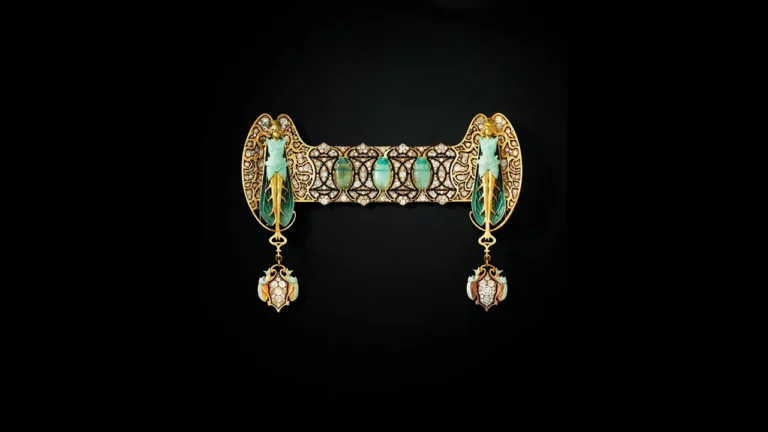
Lalique Ornament Could Top $1M at Sotheby’s
Piece is part of the collection of prominent French art and jewelry collectors Michel Périnet and Françoise Cailles.
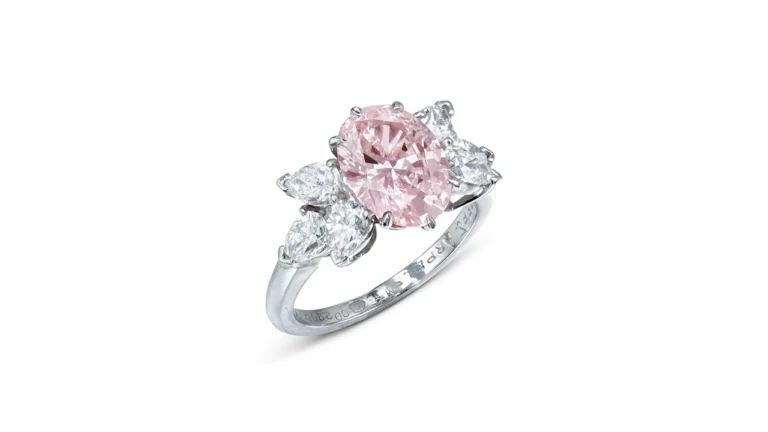
Van Cleef Pink-Diamond Ring to Lead Christie’s Sale
2.20-carat stone likely to fetch up to $153,050 in Hong Kong.

DDG to Fund Training in the Arts for 900 Botswana Youth
Organization will team up with actor Denim Richards to support children in diamond communities.