
RAPAPORT… The World Jewellery Confederation (CIBJO) has specified the
need to disclose treatments when it comes to both natural and lab-grown diamonds.
Sellers must make the disclosure clearly, both at the time of sale and before, the organization noted in guidelines it released last week. The same instructions apply to natural and synthetic colored gemstones, CIBJO said.
The guidelines apply to any stone that has been treated to
change its color, durability, stability or clarity, CIBJO explained. Those
treatments include irradiation, coating, heating and annealing, and High
Pressure-High Temperature (HPHT).
While disclosure of treatments for natural diamonds has not
been an issue of debate, applying the same rules to synthetic stones is more
controversial. The Federal Trade Commission (FTC) determined it was necessary
to disclose any treatment that significantly affects the stone’s value. However, De Beers
maintains it does not need to disclose treatments to the lab-grown diamonds in
its Lightbox brand, claiming they are just one more step in the manufacturing
process of a synthetic product.
CIBJO believes the rules for lab-grown
diamonds and gemstones should be the same as those for natural ones.
Sellers should use the descriptions “treated synthetic diamond,” “treated laboratory-created diamond” or “treated
laboratory-grown diamond” for these stones, a CIBJO spokesperson told Rapaport News last
week.
The “Do’s and Don’ts” guidelines for ethically responsible trading in diamonds, colored gemstones, pearls and corals discuss terminology for referring to
natural and synthetic stones, and the ways in which information must be
marketed and disclosed.
The new guidelines have yet to be added to CIBJO’s Blue
Book, which is updated every three years, it said. The new revisions to its
Diamond Blue Book will take place in 2020.
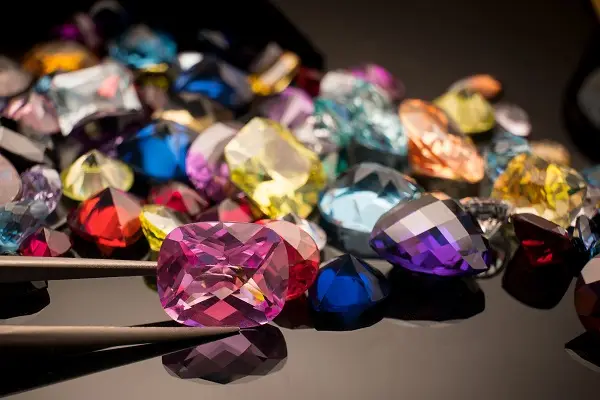
Image: Diamonds and colored gemstones. (Shutterstock)
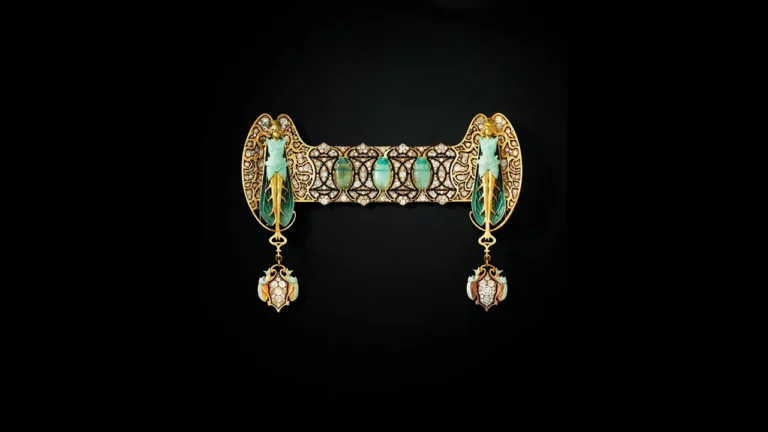
Lalique Ornament Could Top $1M at Sotheby’s
Piece is part of the collection of prominent French art and jewelry collectors Michel Périnet and Françoise Cailles.
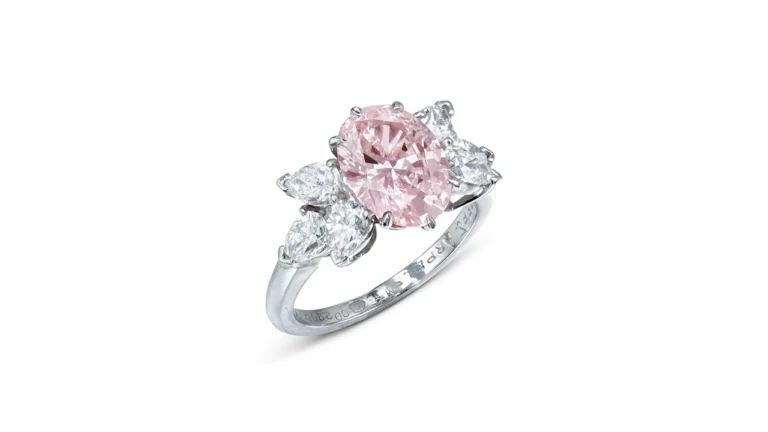
Van Cleef Pink-Diamond Ring to Lead Christie’s Sale
2.20-carat stone likely to fetch up to $153,050 in Hong Kong.

DDG to Fund Training in the Arts for 900 Botswana Youth
Organization will team up with actor Denim Richards to support children in diamond communities.