
The Swiss Parallel, an impressive report by the Dubai Multi Commodities Centre (DMCC) and Originalluxury on what the diamond industry can learn from Swiss timepieces’ comeback after the quartz crisis in the 1970s and 1980s, has been the main topic of conversation in the trade this week. It calls on the diamond sector to reposition diamonds as a rare, luxury investment product while ceding the mass market to lab-grown diamonds, just as the Swiss watch industry refocused on heritage and status after Japanese makers entered the market in the 1970s with cheaper, more accurate quartz timepieces. It also urges the sector to act immediately and as a unit, warning that it has less time to play with than the watch industry had. All these and more are essential if the natural-diamond industry is to save its future, it argues.
The reaction was also worth reading, especially Marc Bridge’s essay on The Jewelry Wire contending that it was brands and entrepreneurs that rescued luxury watches and not centralized strategy-makers.
I don’t want to take anything away from either, because they both raised important points and added valuable material to the debate. But as I read the DMCC/Originalluxury report I noted down a few differences between the diamond and watch industries that I believe make it hard, though not impossible, to act on the comparison. Some of them were already acknowledged in the report itself. I am sharing them in this unpolished and inexhaustive list:
- Expensive watches sell because of their brands and lend themselves to specific branding better than jewelry does, and far better than diamonds do. Watches have a face that you look at whenever you need to check the time. The brand name goes there. Anyone looking at your wrist can quickly see what brand you’re wearing. Jewelry branding can be possible, but it is less distinctive and more subtle, relying on recognizable styles and/or inscriptions that are hard to see. Diamonds, meanwhile, succeeded for decades because they themselves were the brand, benefiting from De Beers’ category marketing. That benefit has worn off, and now the options are to reinvigorate that generic brand (which takes years of marketing and investment) or to brand specific diamonds. The challenge with the latter is that you’re unlikely to know the diamond is branded unless the wearer tells you.
- You can easily tell a quartz watch from a mechanical watch. The problem of synthetic diamonds is that you can only tell them apart from natural ones with specialist equipment. This presents a handicap the watch industry did not have.
- Diamonds already had challenges before lab-grown became the main one. The existing hurdles were a long period without sufficient category marketing, the end of De Beers’ ability to protect supply and prices, a lack of production discipline, growing public skepticism about diamonds and their value, and shifts away from traditional consumer preferences and social behaviors. Solving the lab-grown “problem” would remove the biggest challenge but not the only one. Similarly, pushing the rarity line for diamonds is an uphill battle given how many consumers think the De Beers cartel still exists.
- The Swiss watch industry is, obviously, based in one country, which also happens to be one of the world’s richest and most sophisticated economies. Most prestige timepieces are made in a strip of land between Geneva and Basel. This is a very different situation from the diamond supply chain, which is fragmented across the world, incorporating different cultures and jurisdictions. When ASUAG and SSIH merged to form SSH (now Swatch Group) in 1983, two companies responsible for two thirds of industry sales – and located about two hours from each other by train – amalgamated into a single entity through one deal. Uniting even just the diamond-mining industry is harder than that, and if you’re trying to get the polished manufacturers on board, you are dealing with hundreds of companies in India, not to mention dealers and other industry participants across the US, Belgium, the United Arab Emirates (UAE), Hong Kong and Israel, many with competing interests.
- A minor point: Switzerland itself is a popular tourist destination, a fact the watch industry can use to its benefit. Brands can open their factories to tours, enhancing enthusiasts’ sense of brand advocacy. As the DMCC/Originalluxury report correctly noted, the diamond industry does not lend itself to this so well, and virtual alternatives are needed. It’s fair to say Geneva is more of a mainstream tourist destination than Surat or Angola, at least for now.
- While quartz watches are more accurate than mechanical watches, both still have a function. In fact, a windup or an automatic watch is a pretty cool piece of timekeeping technology.
- Back to the first point: What consumers want today is a brand they can identify with. Again, this is not easy in jewelry. But the maisons that succeed do so because customers want to buy their label and concept – not specifically because they want rare natural diamonds, but because of the whole package, as Marc Bridge explained. According to that approach, the industry’s strategy should be not to promote diamonds as the product, but to focus on brands, making lots of little Cartiers. This might be the more realistic solution.
There are more points to make. I welcome your views: Please email them to news@rapaport.com.
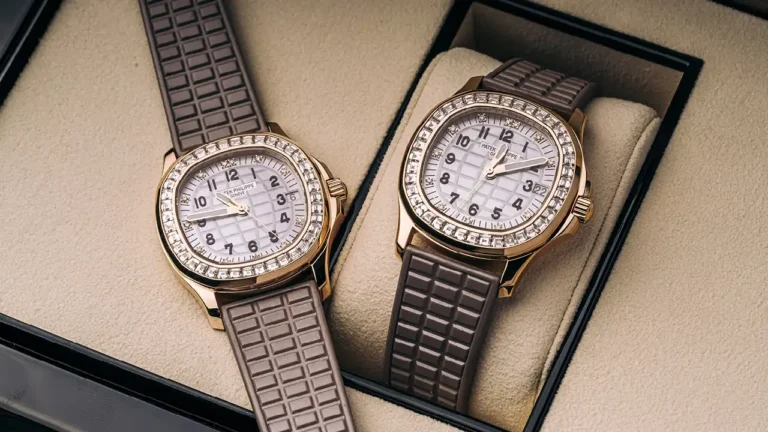
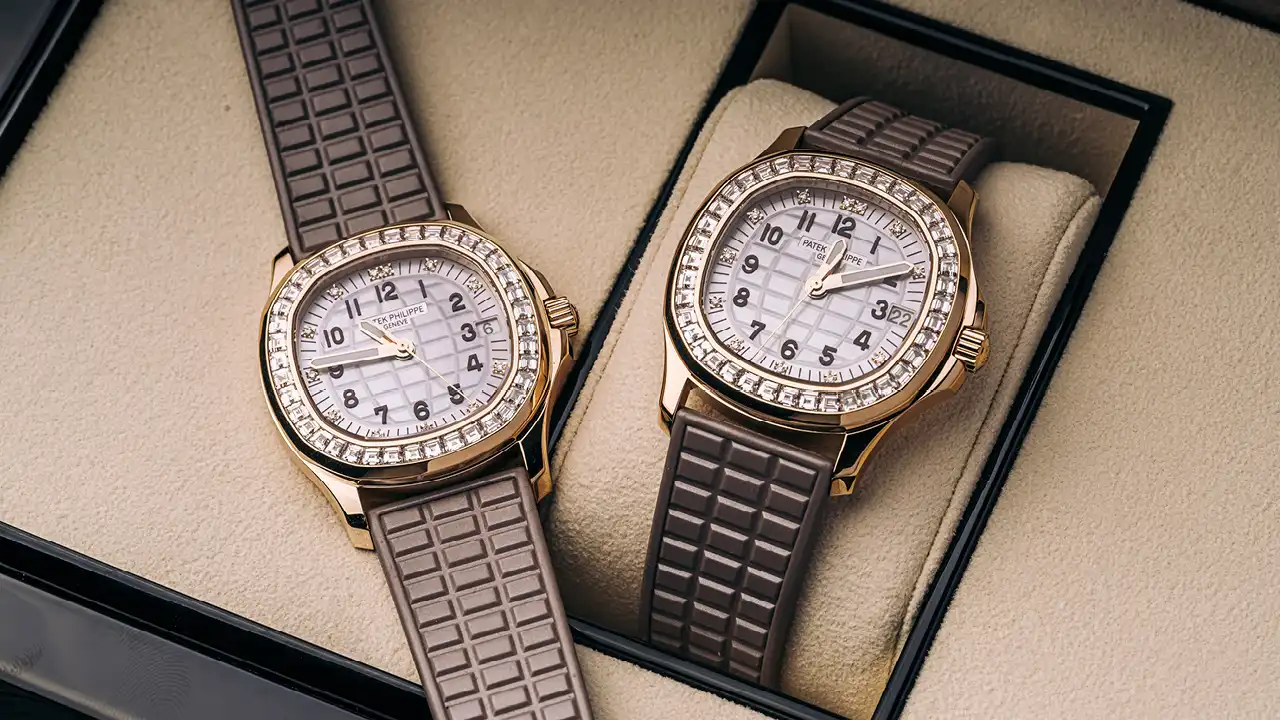
Image: Two Patek Philippe Aquanaut Luce Haute Joaillerie watches. (Shutterstock)