Retail remains one of the clearest windows into the health of the diamond and jewelry trade. While headlines often focus on shifting supply chains, lab-grown diamonds, and rising precious-metal prices, the reality on the sales floor tells a more balanced story.
Despite economic uncertainty in many regions, jewelry retail — particularly at the luxury level — continues to demonstrate resilience. Major luxury groups reported stable or improving performance in their jewelry divisions during the latest reporting period. Richemont recorded a 6% year-on-year increase in revenue from its jewelry maisons in the fourth quarter. Kering’s jewelry houses posted an estimated 9% improvement over the same period, while LVMH’s watch and jewelry division reported modest growth of 1%.
These results echo a broader dynamic that’s occurring across the market. Consumers may be more selective in their spending, but demand for meaningful, well-crafted jewelry remains strong — especially when it carries emotional value, rarity or brand heritage.
At the same time, the structure of the retail landscape is gradually evolving. The number of jewelry businesses operating in the United States has been declining by roughly 2% to 3% annually over the past decade, according to the Jewelers Board of Trade (JBT). While this represents a contraction in the number of retailers, it also reflects consolidation within the industry.
In many cases, the retailers that remain are stronger, more specialized businesses that combine traditional expertise with modern retail practices, including digital engagement and enhanced client services.
The industry is also adapting to new realities. Lab-grown diamonds have rapidly expanded their presence in certain segments of the market, particularly in fashion jewelry and some bridal categories. Meanwhile, rising gold prices and other input costs are forcing manufacturers and retailers alike to reassess pricing strategies and inventory management.
Periods of change often reveal an industry’s underlying strengths. Jewelry retail has always been about more than the product itself. It is about relationships, trust and the ability to guide consumers through some of life’s most meaningful purchases.
In this issue of Rapaport Magazine, we explore the current state of jewelry retail in the US and the ways in which the sector continues to adapt to shifting market conditions while maintaining its essential role at the heart of the diamond trade.
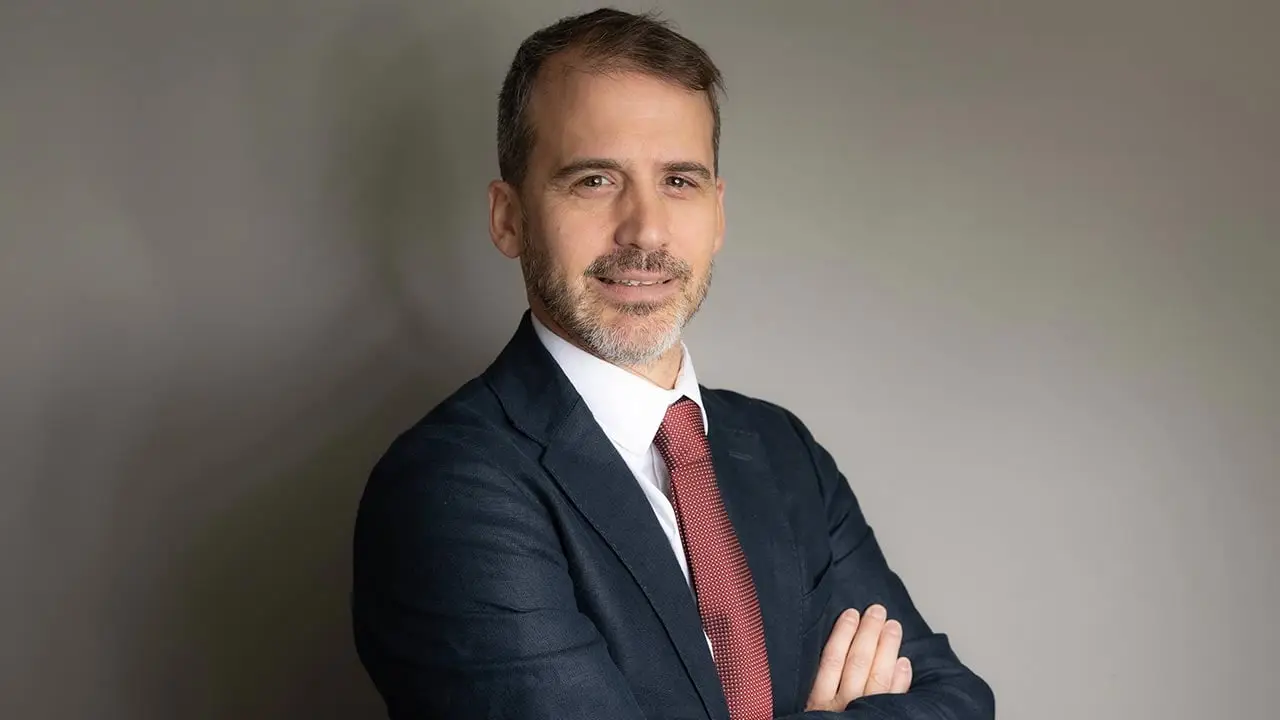
Main image: Rapaport Group CEO Dan Mano. (Orna Gutman Levy)