

RAPAPORT… Major gemological laboratories have rebuffed claims that detection machines are failing to spot synthetic diamonds that have undergone irradiation.
In a trade alert last week, Diamond Services argued that the treatment, generally used to alter the color of a stone,
can mask the phosphorescence effect when diamonds created using High Pressure-High
Temperature (HPHT) undergo scanning
at room temperature.
While detection machines can often identify HPHT diamonds
because they phosphoresce — or glow — under ultra-violet light, certain devices
fail to spot some of those stones that have been subject to irradiation, the Hong Kong-based diamond-technology company argued.
However, De Beers and the Gemological Institute of
America (GIA) have denied the impact of such a phenomenon on their machines’
ability to sift out HPHT synthetics.
“The International Institute of Diamond Grading and Research (IIDGR) confirms that its instruments AMS2, SYNTHdetect,
DiamondView and DiamondSure are all effective at screening HPHT synthetic material
which has been irradiated and is tested at room temperature,” the De Beers-owned grading unit said in a
statement last week.
“Any business using these devices can have full confidence
that any such material will be detected without the need to undertake tests at
different temperatures,” it added.
Meanwhile, although detection devices based on
phosphorescence may not be able to detect some HPHT-grown irradiated
synthetics, the GIA’s machines can spot them, the Carlsbad, California-headquartered
laboratory stressed.
“The ability of the instruments that GIA uses to
differentiate natural diamonds from HPHT and CVD [chemical vapor deposition]-grown
synthetic diamonds, including the GIA iD100 gem-testing device and the GIA
Melee Analysis Service, is not affected by irradiation treatment,” the GIA told
Rapaport News.
Examining
diamonds at the temperature of liquid nitrogen can be an extremely accurate method of detecting synthetics, while a technique called Raman spectroscopy is a
simple way of spotting irradiated diamonds, according to Joseph Kuzi, founder
and president of Diamond Services.
“Our latest findings indicate
that the diamond and jewelry trades should show extra caution, but we do not
claim that irradiated HPHT-grown synthetic diamonds are undetectable,” Kuzi
said.
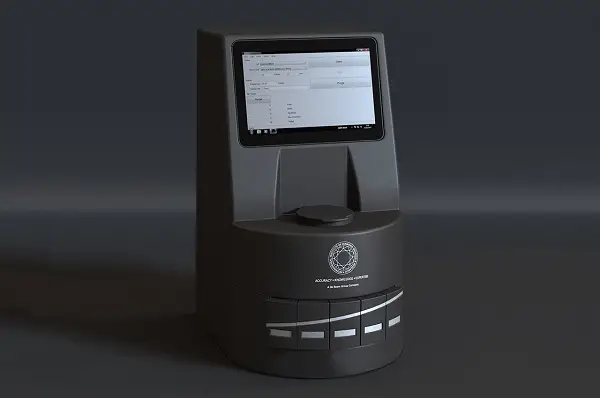
Image: IIDGR

US Holiday-Spending Growth to Outpace Last Year’s – Bain
Consumer outlay is likely to rise 4.5%, a slightly higher increase than in previous seasons.
London Diamond Bourse Touts ‘Synthetic Diamond’ Terminology
Exchange encourages UK trade to use term for grown stones, saying it is more accurate and internationally accepted.

Ruby and Diamond Earrings to Headline Sotheby’s Hong Kong Auction
Lot will be on offer for $2.6 million at High Jewelry sale.