

RAPAPORT… The Federal Trade Commission (FTC) has expanded its definition of “diamond” to include those grown in a laboratory, as part of several changes to its jewelry guidelines.
The FTC’s previous definition of a diamond stated: “A diamond is a
natural mineral consisting essentially of pure carbon crystallized in the isometric
system.” This is no longer applicable, the commission said Tuesday. The new listing
does not include the word “natural.”
“When the commission first used this definition in 1956,
there was only one type of diamond product on the market —
natural stones mined from the earth,” the FTC said. “Since then, technological
advances have made it possible to create diamonds in a laboratory. These stones
have essentially the same optical, physical and chemical properties as mined
diamonds. Thus, they are diamonds.”
The fact that diamonds exist “in the soil of [the] earth”
is not a necessary attribute, lab-grown producer Diamond Foundry argued after
the FTC requested input from members of the trade. The commission agreed.
One should also qualify the word “cultured” when describing man-made stones, the commission added, as the term on its own often leads consumers
to believe a diamond is mined. The commission suggests marketers use words such
as “man-made,” “lab-grown” or “foundry” to qualify “cultured,” thereby avoiding confusion about a diamond’s origins.
However, marketers should not use the word “synthetic” to qualify “cultured,” the FTC noted, as it creates confusion among consumers, who believe
the term indicates a stone is fake or artificial.
The Diamond Producers Association (DPA) declined to comment until
it had studied the implications of the new guidelines further. In January, the DPA was one
of several trade organizations that collaborated on a universal standard for
referring to diamonds, saying that “diamond” on its own implied natural origin.
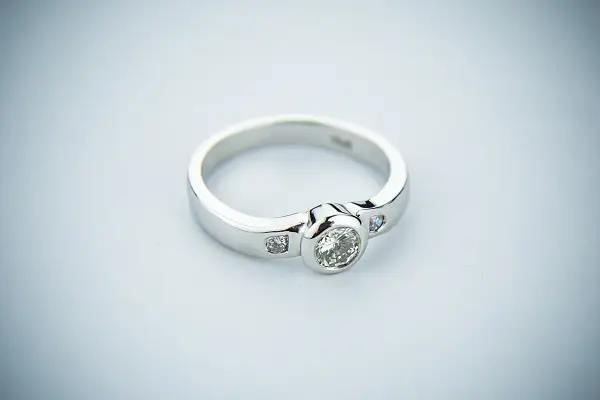
Image: Max Pixel

US Holiday-Spending Growth to Outpace Last Year’s – Bain
Consumer outlay is likely to rise 4.5%, a slightly higher increase than in previous seasons.
London Diamond Bourse Touts ‘Synthetic Diamond’ Terminology
Exchange encourages UK trade to use term for grown stones, saying it is more accurate and internationally accepted.
Ruby and Diamond Earrings to Headline Sotheby’s Hong Kong Auction
Lot will be on offer for $2.6 million at High Jewelry sale.