 WhatsApp
 Email
Email
 Facebook
 Twitter
 LinkedIn
The secondary market for luxury watches has always occupied a niche. It entered the spotlight during the pandemic from 2020 to 2022, when valuations skyrocketed to a few hundred thousand dollars a watch. But even before that peak, the market was growing courtesy of social media, marketplace websites such as Chrono24, online auctions, and improved access to educational materials.
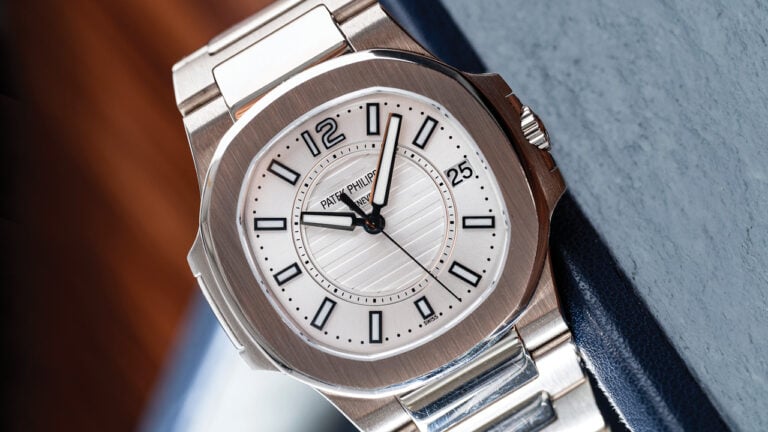
The market today is split into “modern collectibles” like Patek Philippe’s Nautilus, and “vintage” items such as cocktail watches from the early to mid-20th century. For some experts, the cutoff between the two categories is when the use of sapphire crystal became widespread during the 1970s and ’80s to protect the dial. Others believe the vintage category should only include watches with mechanical movements from before quartz entered the scene in the mid- to late ’70s. Although both segments have gained steam in the last decade, the modern-collectibles segment has attracted particular attention recently for the price fluctuations it’s experienced.
“When I established [luxury watch dealer] Horology Movement in 2016, pre-owned luxury watches traded maybe 10% above retail,” recalls Bangkok-based John Belmont. “For example, a Patek Philippe Nautilus 5712-1A, one of the most liquid watch models back then, was selling at $35,000 retail, and on the secondary market, you could sell it for $37,000 – a slight profit margin. Around 2018, prices started jumping. From 2018 to 2020, for top models of pre-owned luxury watches, prices might have gone up 50%, but from 2020 to 2022, prices went up by around 300% for certain models. I also noticed high demand from countries with unstable currencies. Watches became a hedge against currency fluctuations. Many customers viewed watches as an investment opportunity, with publications like Bloomberg talking about gains in the secondary market beating every other investment right before the bubble burst.”
The Covid-19 years
California-based luxury watch specialist Tim Bender agrees that “the pandemic years were crazy.” The founder of Collected, an inventory- and marketplace-solutions company for the pre-owned-watch industry, recalls that “$50,000 watches on my Instagram stories were selling within minutes because trillions of dollars had been pumped into the global economy, and people suddenly had both the money and the time. Certain watches were going up 10% week over week. It didn’t seem sustainable.”
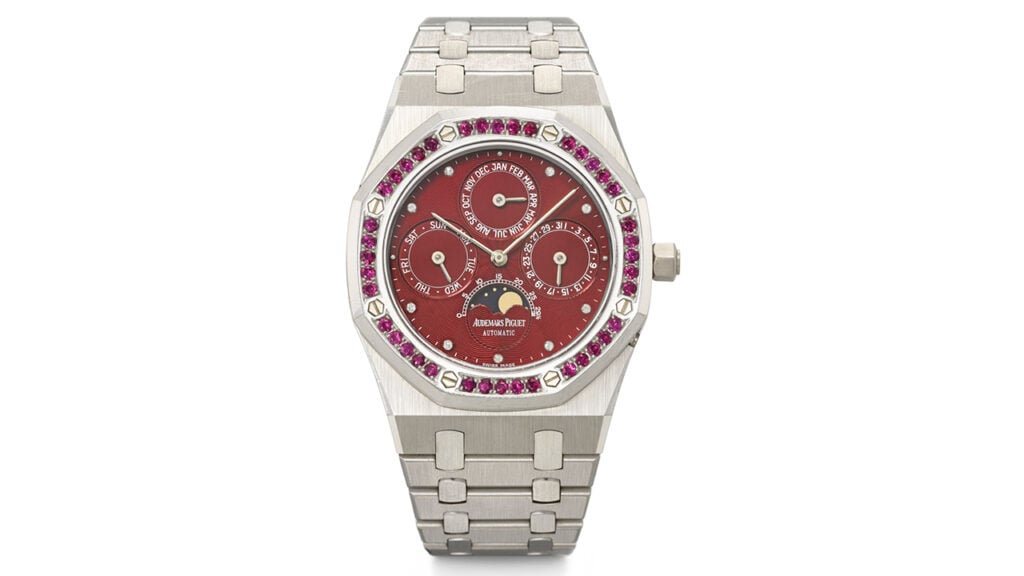
The peak of the market was in the first quarter of 2022. Between then and 2024, prices dropped by some 50%. One example is the limited-edition Royal Oak Ref. 26240ST that Audemars Piguet launched in January 2022 to celebrate the iconic model’s 50th anniversary. Collectors speculated that prices for that model would appreciate, based on the performance of Patek Philippe’s 40th-anniversary Nautilus Ref. 5976/1G chronographs, which had surged to over three times their original retail price on the secondary market.
“I sold an Audemars Piguet Ref. 26240ST for approximately THB 5 million ($153,000) after the launch,” recalls Belmont. “The retail was THB 1 million ($30,604). Today, the price for that model has dropped to THB 1.5 million ($45,900).”
The opportunists who were buying watches to flip for profit during the pandemic have mostly dropped out of the market since prices went down in 2022. This, says Belmont, has left mainly “the authentic collecting community” – those buying for the love of the product – “and we are seeing a 20% to 30% increase in organic demand in certain brands and models.”
Top-end names
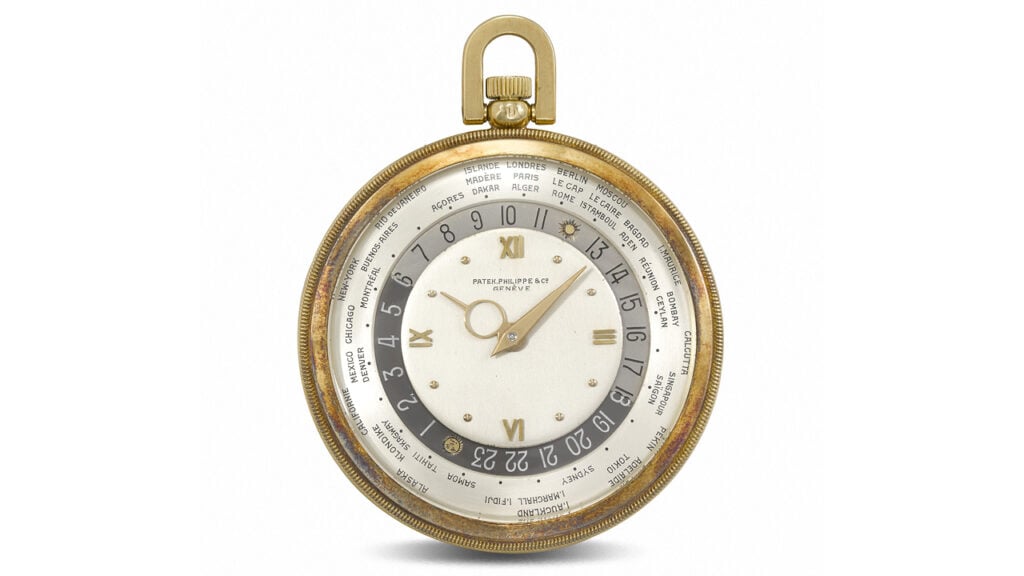
“Patek Philippe, Cartier, Rolex and even Omega are leading the recovery,” reports California-based Louis Briscoe, founder of pre-owned-timepiece dealer Louis and Company. “These brands are respected and continue to be the locomotives in the watch industry.”
Keeping watch production limited has a direct impact on the secondary market. Luxury watch boutiques today seem like museums: Walking out with the timepiece you desire is a near-mythical feat. “The leading houses have long understood that controlled production is the foundation of enduring value,” explains Briscoe. “Rolex, Patek Philippe, and Audemars Piguet deliberately limit the number of watches they release each year. The result is waitlists, premiums above retail, and a secondary market that rewards those who have access.”
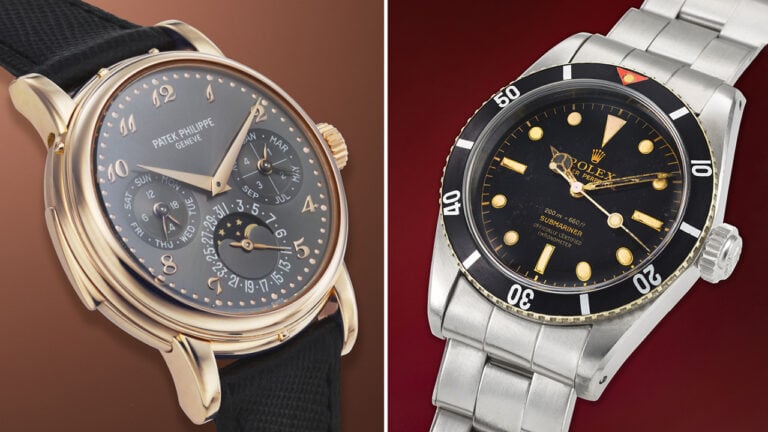
The traditional holy trinity of pre-owned watch brands is Patek Philippe, Audemars Piguet, and Vacheron Constantin, based on their heritage, technical superiority, innovation, and dedication to artisanship. That hierarchy has shifted, however, thanks to marketing, social media, ownership changes, increased production, the democratization of wealth, and other cultural factors. Today, certain experts hold up Patek Philippe, F. P. Journe, and A. Lange & Söhne as the new trio for collectors to consider. For others, it’s Patek Philippe, Rolex, and Audemars Piguet, along with Cartier, Vacheron Constantin, Jaeger-LeCoultre, Omega, Piaget, and Richard Mille.
Spotlight on Rolex
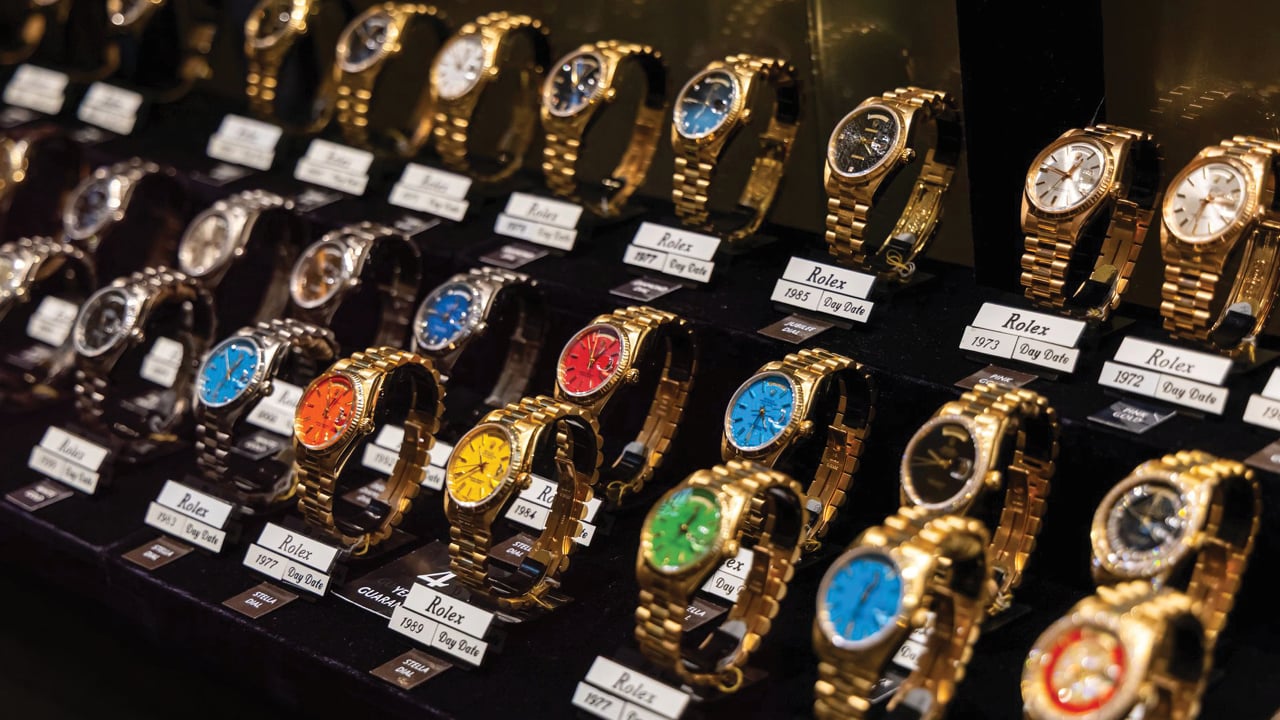
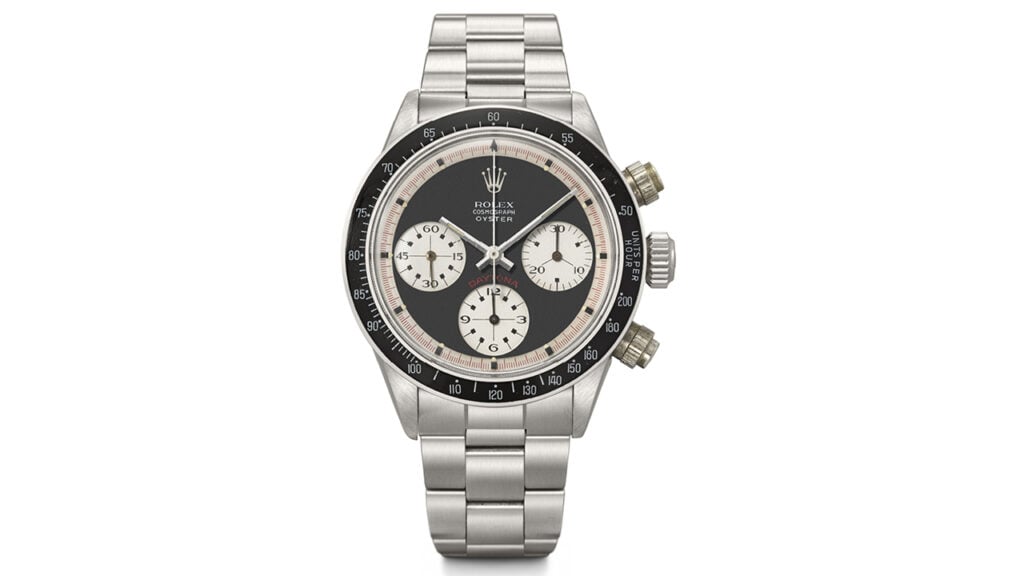
“The power of Rolex is culture, aspiration, history, film stars,” explains London-based dealer David Silver, whose Burlington Arcade boutique The Vintage Watch Company has over 2,000 vintage Rolexes on display. “When you see Zendaya at the Oscars with a full diamond ladies’ Rolex, it makes a cultural statement. It’s a lifestyle brand that transcends watches. No one’s ever going to tell you that a Rolex is better made than a Breguet or a Patek; however, its marketing is better. Rolex sponsors elite sporting events like tennis, golf, motor sports, yachting and equestrianism, and its recognizability is second to none. If you ask any person on the street to name a watch brand, Rolex will be the first they name. As a brand…it’s right up there with Coca-Cola.”
Remi Guillemin of Christie’s is among those who consider Rolex, Patek Philippe, and Audemars Piguet to be the big three, declaring them “the leading blue-chip brands of the secondary watch market, selling above their retail prices.”
Heritage and design
As head of watches for Europe, the Middle East and Africa (EMEA) and the Americas, Guillemin highlights the selling points of other brands that have done well at Christie’s, which became the first mainstream international auction house to introduce online-only watch auctions in October 2013.
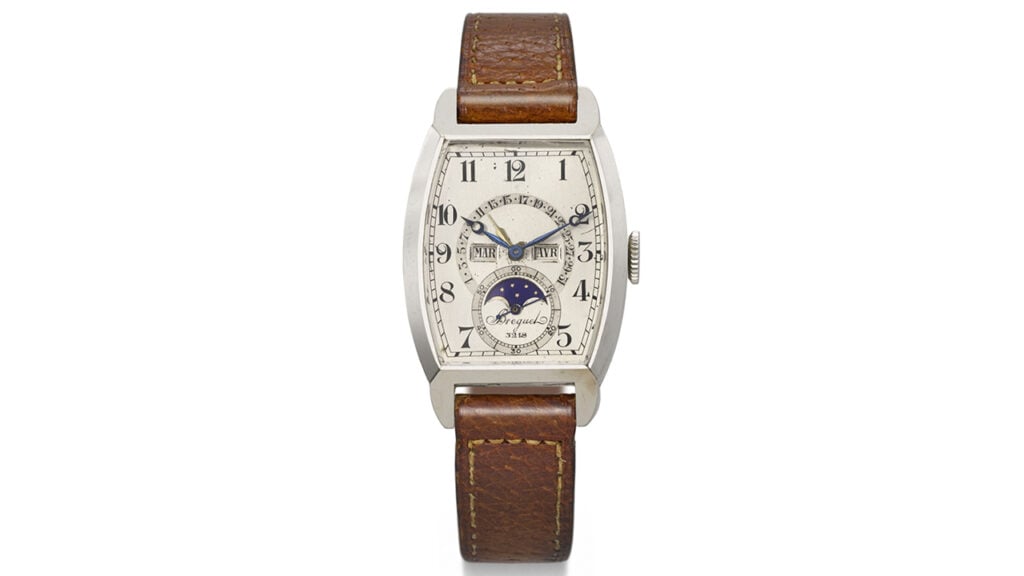
“Jaeger-LeCoultre [is] widely respected for highly technical and iconic timepieces [and has] a rich history,” he says. “Breguet [is] one of the most historically important names that changed the watch industry. Vacheron Constantin watches are of the highest quality and complexity. A. Lange & Söhne – highly desirable timepieces with very low production numbers. F. P. Journe watches are perceived as truly innovative, technical and charismatic timepieces, extremely limited in production, and [the company] proudly preserves its independent status.”
While complications were the dominant focus for secondhand-watch buyers 10 years ago, interest has since shifted more toward design, according to Charles Tearle, the London-based head of watches for Scotland’s largest auction house, Lyon & Turnbull.
“We’ve noticed an increase in the popularity of Cartier in the last five years, a brand that had been often overlooked by watch collectors,” he says. “Take the Cartier Crash model, a limited edition first created in 1967, relaunched in 1991. Demand on the secondary market was stagnant for this model, [which sold] for approximately GBP 25,000 ($33,580). If you want to buy a 1990s Cartier Crash today, it’s probably around GBP 250,000 ($335,800). If you want to buy a [model from the] 1960s, that would set you back over GBP 1 million ($1.3 million).”
Cause and effect
There’s a symbiotic relationship between the primary and secondary watch markets. The launch of well-designed watches and brand-building campaigns in the primary market – along with nominations and awards from the prestigious Grand Prix d’Horlogerie de Genève (GPHG), aka the Oscars of the watchmaking world – positively impact desirability in the pre-owned market. Similarly, high prices in the secondhand segment motivate buyers to consider the brand at the retail level.
One thing that accelerates secondary-market prices is the decision to stop producing a model. For example, says Belmont, “on December 26, 2021, Patek Philippe discontinued two models, 5711-1R and 5990-1A. If you bought any of those watches pre-owned in 2018, you may have paid around THB 2 million (about $6,000). After the discontinuation, at the peak, the 5711-1R was selling for THB 11 million (about $336,430) or more.”
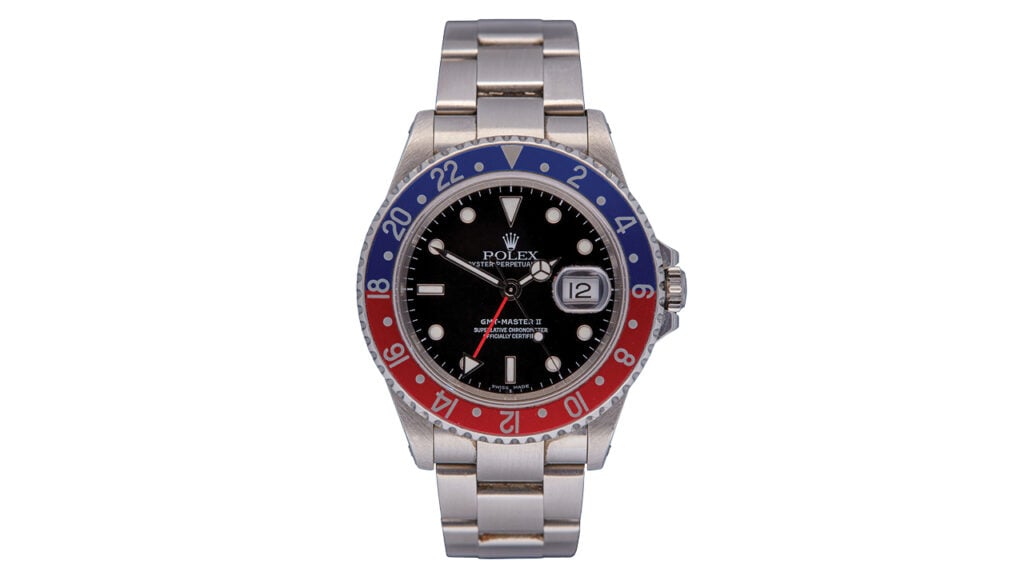
A similar situation materialized this year when Rolex discontinued its GMT-Master II “Pepsi” model, so called because of its iconic red and blue bezel. “After the Watches and Wonders exhibition [in April], the market saw an immediate 25% jump in prices,” says Silver.
What women want
Women’s watches typically feature diamonds, colored gemstones, detailed artisanship, smaller dials, and ornate bracelets. Their strong design focus is one of the many reasons Cartier and Piaget are both favorites among women.
“There is segregation in terms of what stylistically speaks to different genders,” says New York-based Zoë Abelson, founder of Graal Watches. However, she and Lyon & Turnbull’s Tearle both remember their tenure in Hong Kong, where women often drove Porsches and Lamborghinis and sported men’s watches.
The other distinction between the two genders is the way they acquire a timepiece. “Men can buy watches unseen, but women prefer to experience the timepiece in person,” explains Abelson. “Women also spend more time researching the brand and the model.”
How to choose
The sheer volume of information available across platforms and publications can be overwhelming. For collectors of vintage and jewelry watches, Briscoe recommends focusing on pieces that defined the golden age of Swiss watchmaking, featuring concealed bracelets and gemstone dials.
“The gem-set Cartier and Piaget watches are becoming rarer with each passing year, [and these Piaget models are benefiting from] the explosion of interest in stone dials,“ he says. ”Cartier, the epitome of style and balanced design, has attracted collectors from Asia to Europe.”
Choosing the right vendor is also important, notes Guillemin, who recommends familiarizing oneself with the available platforms to see which best suits the buyer’s needs. “Reputation, connoisseurship and efficiency are three important aspects to consider when choosing where to buy.”
Authentication is one of the top concerns for secondary-market collectors. Here, too, Guillemin advises buyers to study the market – to research the model, check the piece’s condition, and ensure it has an official certificate of authenticity.
Regarding the role of artificial intelligence in educating the watch buyer, Collected’s Bender believes that “things are about to get exciting with AI. For the longest time, dealers were the subject-matter experts, but soon there will be [AI] models smarter than all of us dealers combined. We’ll see the industry move toward confidence scores [measuring how certain the AI bot is of its assessment] across the entire market, where an AI model can evaluate the watch, the price, and the parties involved, flagging any red flags across the entire transaction.”
Watching the world
The US is the leading market for pre-owned luxury watches, followed by the UK and Europe, the Middle East, China, and India. While product rankings for watch brands and models are mostly homogeneous worldwide, there are a few cultural distinctions.
“Although there are no strict rules, the American buyer tends to be driven by brand heritage and prestige,” explains Remi Guillemin of Christie’s. “In Europe, buyers value craftsmanship, heritage, and mechanical excellence. The Middle East shows a strong appetite for luxury, [so] brand prestige would therefore be central, and diamond or gem-set timepieces are valued. Asian customers are driven by luxury, craftsmanship, and value retention. In all regions, social influence plays an important part with customers.”
Age is also a factor. “India, China and the Middle East are changing with the younger generation, especially those who have studied abroad,” comments David Silver of The Vintage Watch Company. “Culturally, ‘secondhand’ didn’t have a good ring to it in these markets” in the past, and it’s a consideration that still influences buying decisions.
It’s less of an issue in the US, which accounts for some 65% of London-based Silver’s clients. “And with the tariffs [having increased luxury watch prices in the United States], I am expecting more clients from the US buying in Europe and the UK.”
Buyers from the Middle East and Asia tend to appreciate detailed artisanship and beautiful embellishments, such as enameling, rare stones, or complicated movements. The vintage luxury watch market across Asia is growing because of a younger client base that has begun amassing wealth.
In Bangkok, 60% of dealer John Belmont’s clients are from Thailand, and 40% are international. Besides the classic top-tier watches, he says, Richard Mille is among the most coveted. “[Buying a Richard Mille is] an unapologetic show of wealth, but also an appreciation for a watch that’s not traditional; it’s cutting-edge.”
Main image: A selection of Rolexes on display. (The Vintage Watch Company)