 WhatsApp
 Email
Email
 Facebook
 Twitter
 LinkedIn
Women have long collected watches. What is new is the scale of their participation. Driven by platforms like Dimepiece and social media voices such as Zoë Abelson, founder of watch marketplace Graal, this once relatively discreet segment of the market has become more prominent and better informed.
“I think this shift should be credited to a lot of female influencers, as well as female executives within watch brands,” says Yoni Ben-Yehuda, head of watches at jeweler Material Good, which has boutiques in New York, Boston, Miami and Dallas.
Demand from female buyers is strong and growing, increasingly shaped by personal taste rather than traditional “ladies’ watch” categories. Jonathan Darracott, global head of watches at Bonhams, has seen women confidently bidding across different brands, sizes and designs at auction, reflecting a broader shift toward individual style in watch collecting.
Inside boutiques, the same confidence is evident. New York-based Melanie Hoffmeier, vice president and watch director of Wempe US, describes clients who arrive “already knowing the reference numbers, the movements, the story behind the piece.” They are often purchasing watches to mark personal milestones or simply as part of their jewelry wardrobe, she says.
Vintage or new?
For many, new watches remain the preferred starting point. At Wempe, buyers value provenance, warranty, and long-term service, according to Hoffmeier – particularly for pieces they’ve chosen for daily wear and long-term ownership.
At the same time, the secondary market plays a distinct and expanding role. Pre-owned timepieces appeal to buyers who want to source discontinued references, access pieces immediately, or build a collection through a more curated, exploratory process.
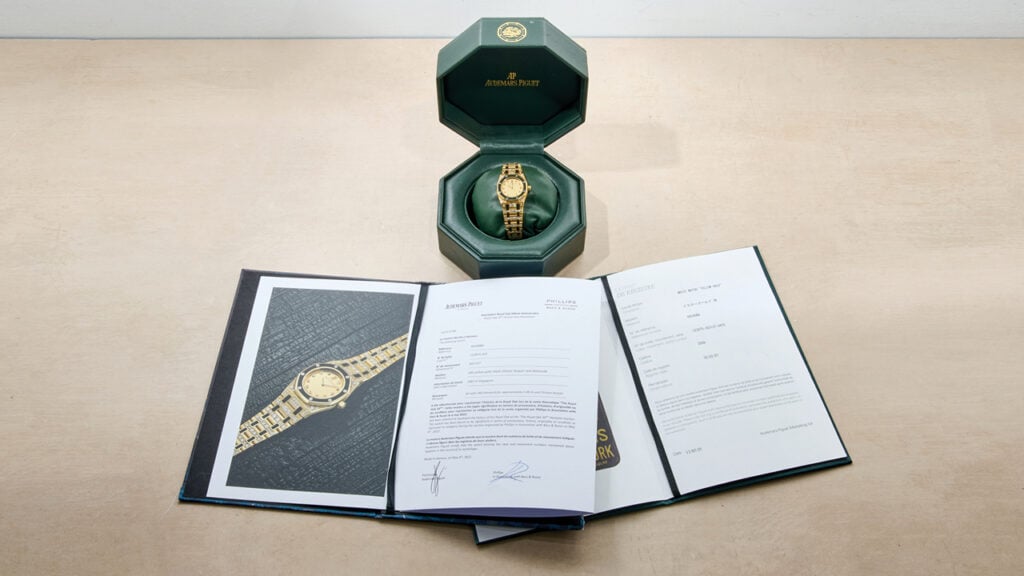
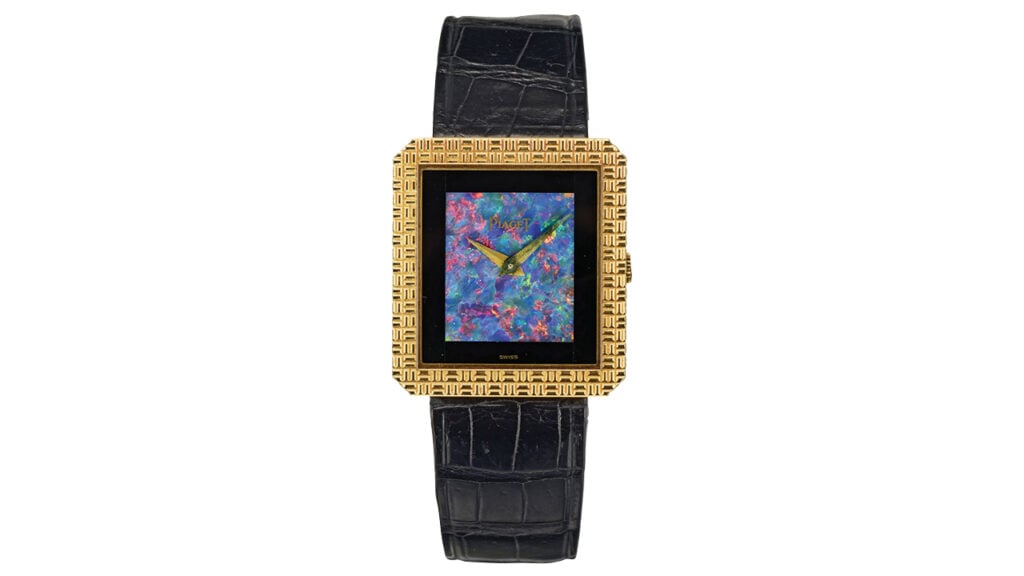
James Lamdin – founder and vice president of vintage and pre-owned at Analog:Shift, part of the Watches of Switzerland group – sees “well-represented interest across the spectrum,” with women buying brands such as Piaget, Cartier, vintage Baume & Mercier and Bueche Girod, and smaller editions of the Audemars Piguet Royal Oak, alongside stalwarts like Rolex and Patek Philippe.
Vintage design continues to inform demand. Pieces from the 1970s and ’80s, particularly integrated bracelet styles, resonate both in their original forms and in contemporary reinterpretations. Icons such as the Bulgari Serpenti, smaller Patek Philippe Nautilus references, and classic Patek Philippe models – including the 3800 and 4900 – remain highly sought-after.
Small, sporty, and everything in between
If there is a defining characteristic of today’s female watch buyer, it is range. “Female collectors absolutely buy from what would traditionally be considered the men’s watch category,” says Ben-Yehuda. The choice is less about size than about comfort and design integrity, with as much emphasis on how a watch feels to wear as on how it looks.
At one end of the spectrum, miniature timepieces have surged in popularity, such as vintage Rolex Datejusts and the small-scale Royal Oaks – the latter a model that Audemars Piguet designer Jacqueline Dimier originally created in the 1970s.
Hoffmeier also points to enduring designs such as the Cartier Panthère and the Jaeger-LeCoultre Reverso. “They’re instantly recognizable, but they never feel loud. They become part of a woman’s signature.”
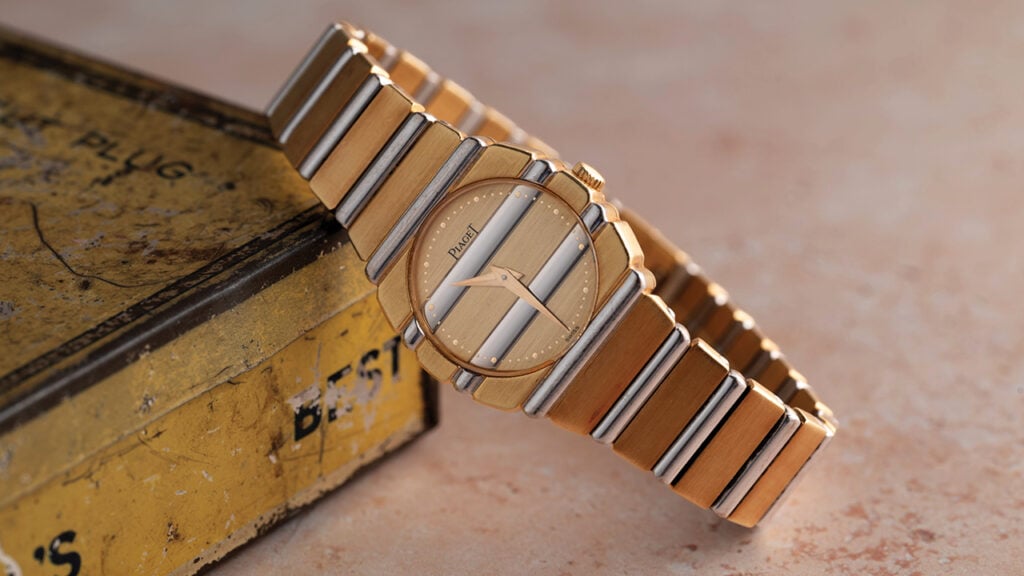
Yet many collectors are equally drawn to sportier models with a stronger visual presence. The Chopard Alpine Eagle and Piaget Polo Date exemplify this shift toward bolder, more architectural designs. Collections increasingly combine both approaches.
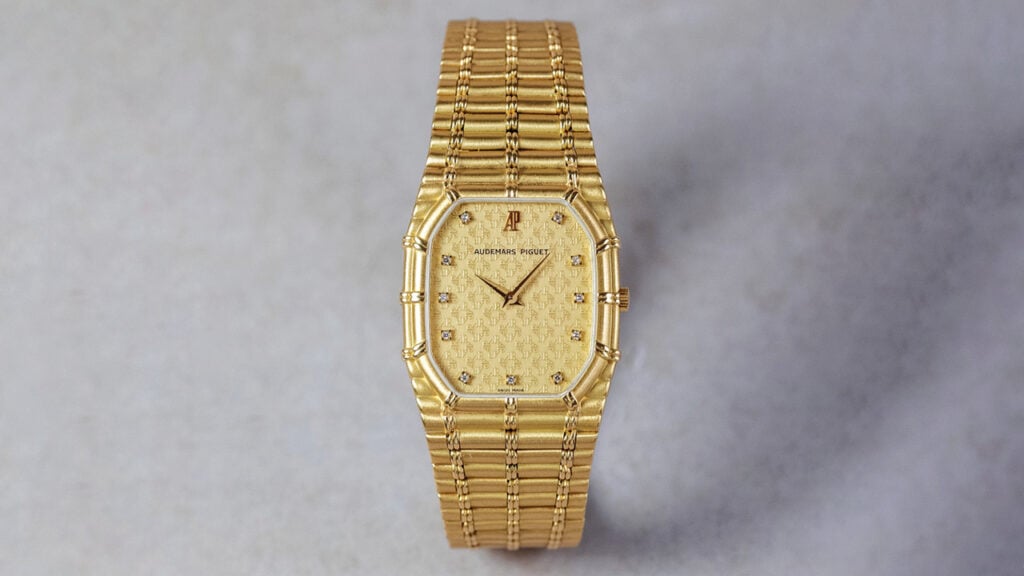
Looking ahead, Ben-Yehuda points to growing interest in vintage yellow-gold Patek Philippes, the smaller Nautilus references, and more experimental designs such as Audemars Piguet’s bamboo-inspired models. He also sees rising curiosity about independent brands, such as Biver and Vanguart.
Beyond that, he says, there’s been a deepening engagement with watchmaking itself. “Some women, especially lately, have really been delving into the complications of timepieces and discovering perpetual calendars, the connection with the cosmos, and also high complications like tourbillons.”
Age: Not just a number
While demand spans age groups, the motivation for buying varies by generation.
Gen Z approaches collecting through discovery and identity. “They’re looking to social media – particularly TikTok – and celebrities to discover what’s ‘cool’ in the watch world,” says Abelson, who founded the Graal watch marketplace in 2021.
Millennials, now a core buying group, are typically in expansion mode, building collections anchored by iconic references that balance style and long-term value, Hoffmeier explains.
Gen X, she continues, appreciates timelessness: They often lean toward classics, but their buying is extremely purposeful – either consolidating into fewer, stronger pieces or expanding thoughtfully into specific complications or higher watchmaking.
Boomer collectors approach the market with established tastes and greater purchasing power. They often refine existing collections, adding complications, precious metals, or higher-value pieces. “Boomers are over the hype and just want watches they will actually wear,” Abelson says.
Material and design preferences also diverge. Lamdin generally sees younger buyers opting for colored metals and practicality, while older collectors are more inclined toward white metals and gem-set pieces. Yet these distinctions are not absolute; as Hoffmeier observes, “the same iconic model can resonate with a 28-year-old and a 58-year-old for entirely different reasons.”
What emerges is not a single profile, but a spectrum of approaches unified by a growing sense of autonomy.
“[Women] are not waiting to be gifted a watch,” states Hoffmeier. “They’re building intentional collections over time, curating pieces that reflect who they are at different stages of life. It’s thoughtful, confident, and firmly long-term in perspective.”
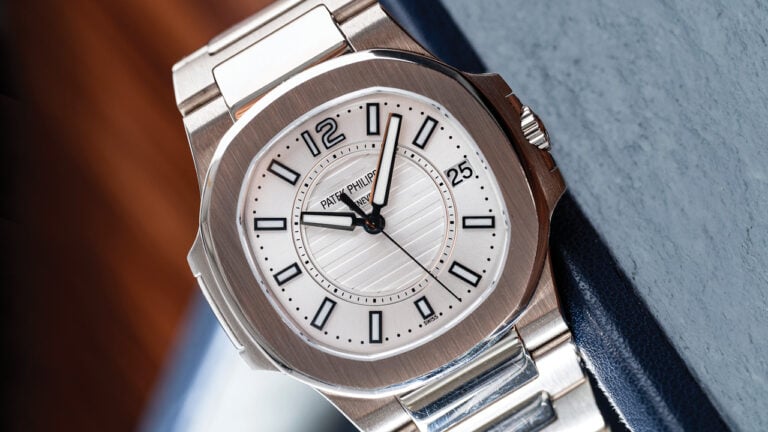
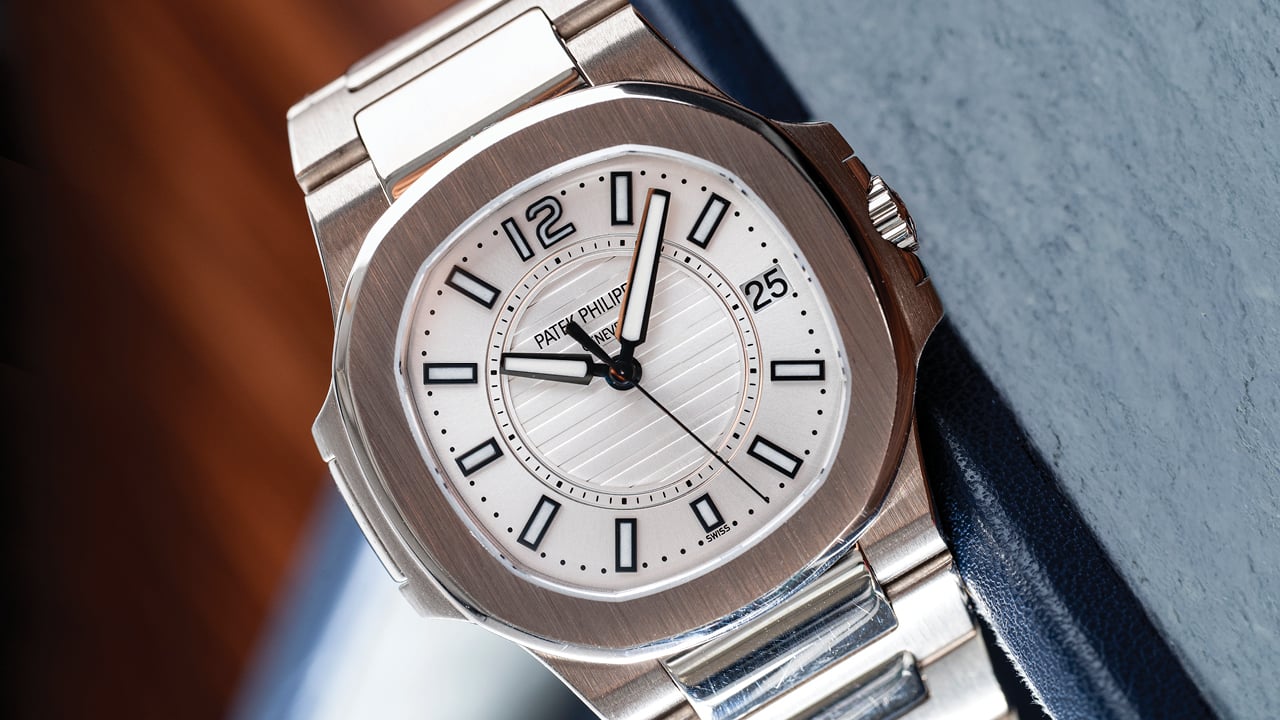
Main image: Patek Philippe Nautilus Ref. 7011/1G-001. (Analog:Shift)