 WhatsApp
 Email
Email
 Facebook
 Twitter
 LinkedIn
The luxury watch market has spent much of the past decade analyzing the purchasing power of Millennials. Now attention is shifting to the next cohort of buyers: Gen Z, the generation born between 1997 and 2012.
Many of these younger consumers are discovering watches through the same online platforms that shape how they engage with fashion.
“Gen Z’s approach to dressing is rooted in self-expression, and it’s shaped in public, through Pinterest boards, deeply curated Instagram feeds, and TikTok rabbit holes that collapse decades of design history into a bite-sized video,” says Trang Trinh, founder of Girls O’Clock, a platform dedicated to women’s watchmaking and educating the next generation of horology enthusiasts. “Growing up with that level of visual access changes the entry point, and by the time they consider a watch, they already have context, taste and a point of view.”
Rather than viewing a timepiece as a milestone or marker of status, many younger consumers respond first to design heritage or aesthetics.
“Brand prestige still carries cultural weight, but it has to align with identity rather than simply signal status,” says Trinh. “A glossy launch campaign on its own rarely converts them. A vintage or pre-owned piece that fits the aesthetic narrative they have built for themselves feels just as, if not more, compelling.”
Beyond their years
This openness to pre-owned watches is already visible in market data. At online watch marketplace Chrono24, 62% of Gen Z revenue comes from pre-owned pieces, compared with 38% from new watches.
“We are seeing a massive shift,” says Balazs Ferenczi, Chrono24’s head of brand engagement. “Gen Z’s market contribution on Chrono24 has nearly quadrupled over the last seven years. But it is not just about volume. It is about taste. They are the trendsetters now.”
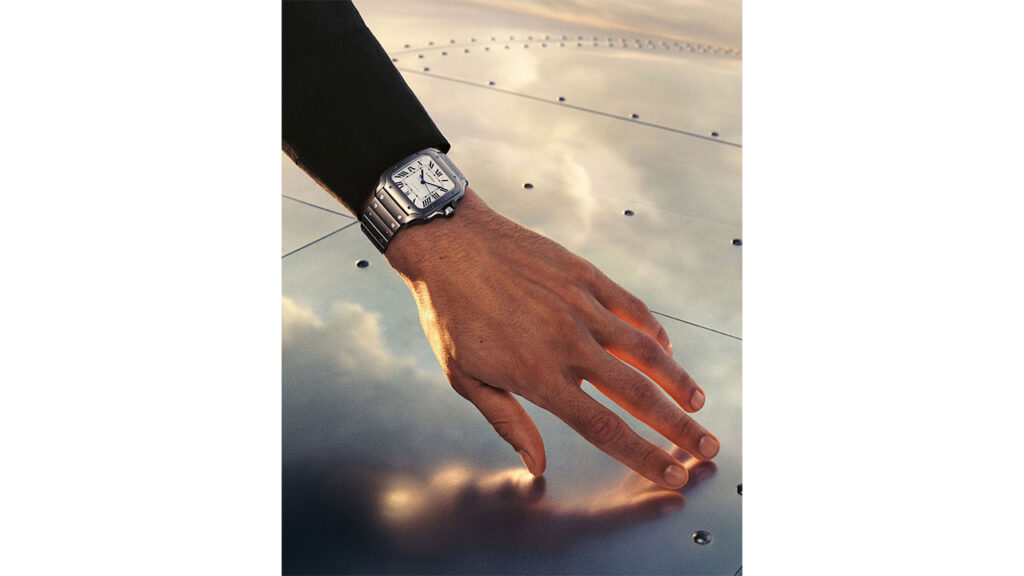
He points to Cartier as a perfect example. “Gen Z engagement with the brand has exploded, capturing a higher market share in this demographic than in any other. They are moving away from the standard sport-watch hype into design-led icons.”
The secondary market has played a key role in this trend. “Used is no longer a compromise for them; it is a smart, style-conscious choice,” says Ferenczi, who has seen a surge in demand for neo-vintage pieces from the 1980s and ’90s. “This generation understands that a 1990s Omega, Rolex or Cartier offers incredible value and often better proportions than modern equivalents.”

Aspirational taste
While entry-level watches remain an important gateway, Gen Z buyers are also willing to spend at higher price points.
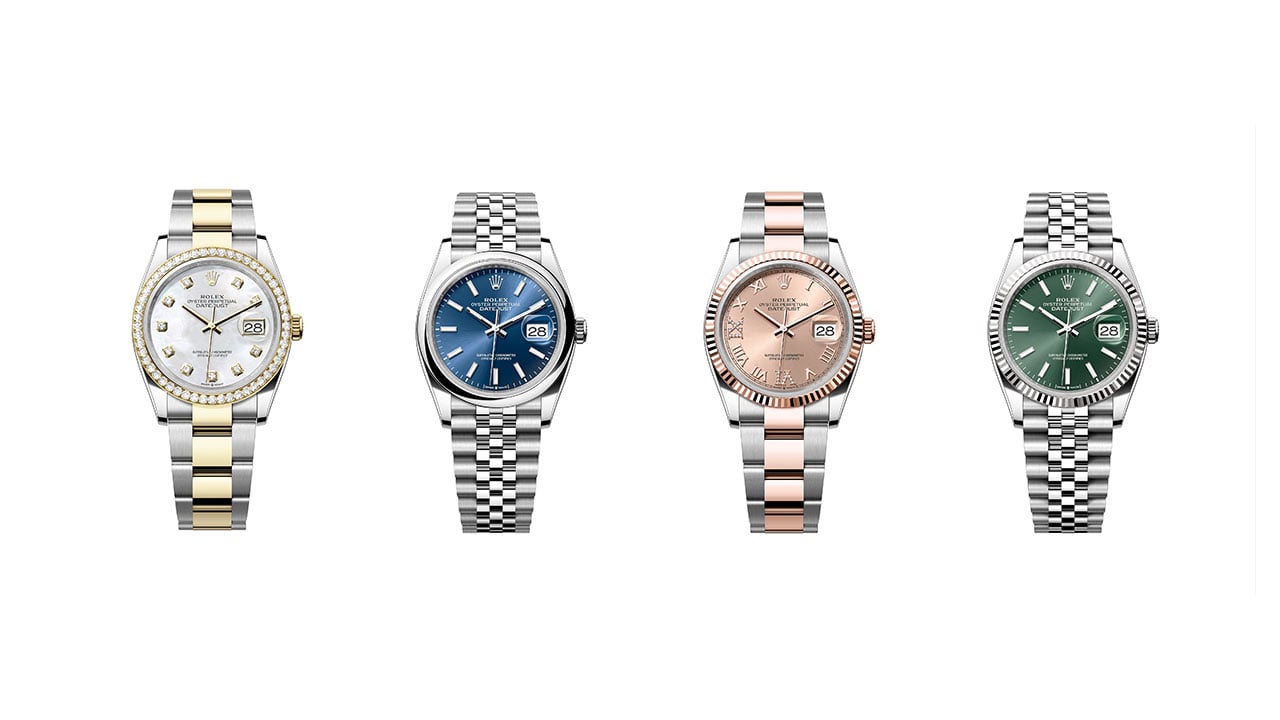
“Naturally their share of the entry-level market, under EUR 1,000 [$1,160], is double that of older generations,” says Ferenczi. “However, they are aspirational. When they do spend big, they stick to heritage.” Top performers include the Rolex Datejust, Omega Constellation and Cartier Santos, while brands like Seiko and Hamilton are driving volume, serving as the entry point into mechanical watchmaking.
Another notable trend is how Gen Z builds collections. Whereas Millennials have often purchased watches with the intention of holding onto them, Gen Z appears more willing to move through timepieces as their tastes – and budgets – develop.
“[Gen Z buyers’] ‘flipper’ mentality is about extracting cash from the market,” Ferenczi explains. “Gen Z tends to trade up. They start with a Seiko or Tissot, enjoy it, and then sell it specifically to fund the next step up, maybe a Tudor or Omega. It is a journey of refinement rather than speculation. They are churning their collections to find their taste, not to generate return on investment.”
This behavior, he argues, could prove influential for the future of the secondary watch market. “Gen Z is the leading indicator for the broader market. They triggered the current shift back to smaller, elegant dress watches long before the big brands adjusted their collections.”
An emphasis on value
Still, buying a watch remains a deeply personal purchase for Gen Z, Trinh stresses.
“A watch, even at an entry-level price point, is rarely casual spending,” she says – though she acknowledges that recent inflation in designer-handbag prices may have “desensitized” luxury consumers to spending large sums of money. Gen Z consumers “can admire a diamond-set Breguet Reine de Naples and still reach for a vintage Longines as they get dressed. In the world of style and self-expression, emotional value and practical joy coexist.”
If Gen Z is approaching watch collecting differently, it may simply reflect the cultural environment in which they grew up. Yet their growing presence in the market suggests that the fascination with mechanical watches is not fading; it’s evolving.
“Their behavior signals that the future of the market will be driven by aesthetics and neo-vintage value hunting rather than just chasing the latest hype release,” Ferenczi says.
Main image: A selection of Rolex Datejusts. (Rolex)