 WhatsApp
 Email
Email
 Facebook
 Twitter
 LinkedIn

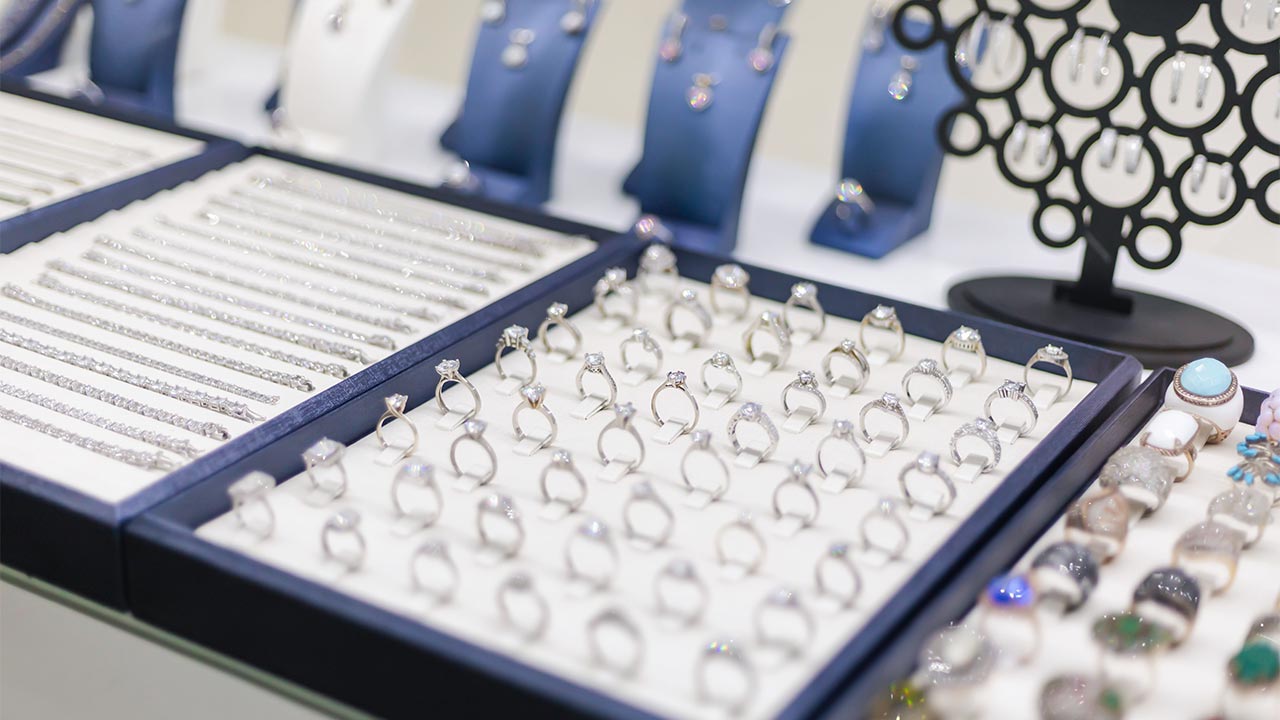
Jewelry spending declined between 0% and 5% in China in 2025 amid rising gold prices, an improvement from the 15% to 20% drop the previous year, according to a recent luxury report from Bain & Company.
“Consumers, particularly those focused on value preservation, continued to gravitate to jewelry purchases, especially fine jewelry,” Bain commented. “The increasing price of rare metals also reinforced the asset value represented by jewelry.”
Watches remained under “severe pressure,” with an estimated drop of 14% to 17% as consumers turned to other investment assets and secondhand alternatives.
Overall, in 2025, the luxury market slipped 3% to 5%, a much gentler decline than the sharp drop seen in 2024. Sales were also stronger, with consumers spending less overseas. Some 65% of Chinese luxury spending occurred within the mainland, while only 35% took place abroad, Bain said.
Consumer confidence stayed cautious for most of the year, but early recovery signs emerged in the third quarter, supported by a weak comparison base the previous year, a stronger stock market and a slow increase in sentiment.
“After the turbulence of 2024, the market in 2025 began to stabilize, although consumer confidence remained fragile,” said Bruno Lannes, senior partner at Bain. “What we are seeing is not a broad-based rebound, but the start of a recalibration phase, with early signs of recovery emerging in the second half of the year. This recalibration is also segment specific, with the ‘very important clients’ continuing to represent a large share of the market, while younger aspiring consumers have delayed entry into the luxury category.”
In the luxury market, beauty was the strongest performer, with 4% to 7% growth, while fashion slid 5% to 8% and leather goods dropped 8% to 11%.
China’s secondhand luxury market expanded by 15% to 20% in 2025, receiving a boost from its rising popularity among younger and more price-sensitive buyers. Leather goods and bags accounted for 50% to 55% of the market, followed by watches at 25% to 30% and jewelry at 10% to 15%.
Bain expects China’s personal luxury-goods market to improve modestly in 2026, despite ongoing volatility and uncertainty.
Image: A display of luxury jewelry. (Shutterstock)