
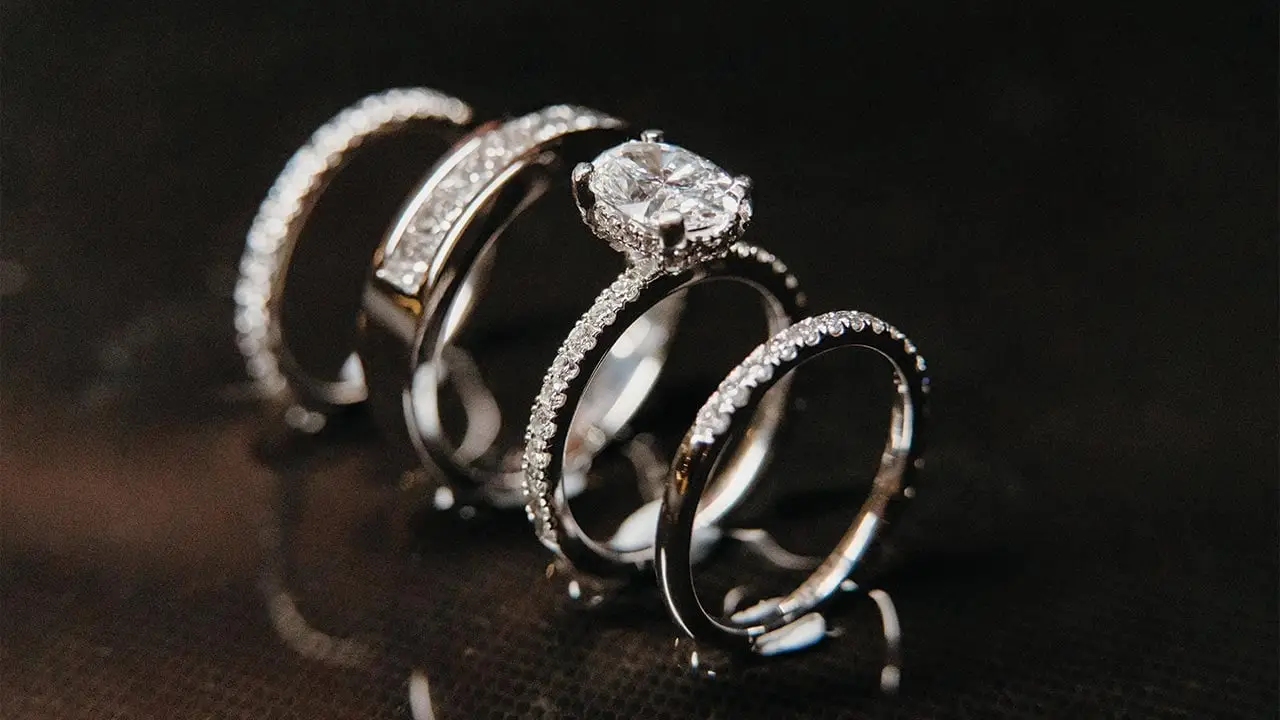
Jewelry was the top category for global luxury spending in 2025, as the overall market reached EUR 1.44 trillion ($1.64 trillion), according to Bain & Company.
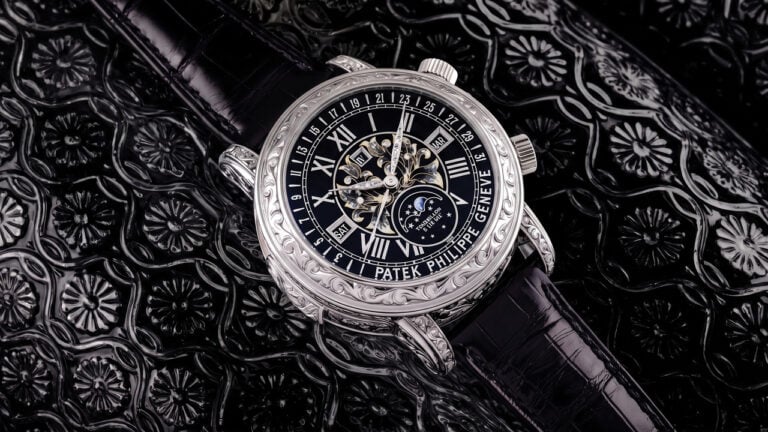
Other categories that performed well included apparel, eyewear and fragrances, according to a report consultancy group Bain released together with Italian luxury goods industry organization Altagamma last week. Cosmetics remained weak, while leather goods and footwear continued to face challenges, though both were on an upward trajectory. In watches, collectors prioritized craftsmanship and rarity over hype, fueling momentum in the resale market.
Personal luxury spending dipped slightly to EUR 358 billion ($408.18 billion) in 2025, compared to EUR 364 billion ($415 billion) in 2024. However, sales for 2026 are likely to grow 2% to 4% to between EUR 365 billion and EUR 373 billion ($416.32 billion and $425.44 billion). Bain presented this as the most realistic outcome, with a 70% probability, assuming the Middle East continues to stabilize, local spending remains resilient, and Chinese demand recovers gradually.
The luxury consultancy also set out a more optimistic growth scenario of a 4% to 6% rise, but it gives that a 20% chance of eventuating, as it would require geopolitical tensions to ease further, a boost from renewed momentum in the US market and an accelerated rebound in China. Alternatively, the year could see flat to 2% growth – which has a 10% probability of occurring – resulting from renewed Middle East escalations or weakness in the Americas.
Meanwhile, overall global luxury spending, which includes cruises, luxury hospitality and fine dining, is expected to be EUR 1.44 trillion to EUR 1.47 trillion ($1.64 trillion to $1.68 trillion), Bain reported.
“The luxury market is stabilizing, but this is not a return to the old rhythm – it is the emergence of a new one,” said Claudia D’Arpizio, Bain & Company senior partner and global leader of the firm’s fashion and luxury practice. “Consumers are not stepping back from luxury. They are stepping forward into a new relationship with it – one defined by meaning, not just by product.”
However, regional performance in the personal luxury-goods market is diverging sharply. Sales in the Americas are rising, but they are lagging in Europe and the Middle East. Luxury spending in China is beginning to recover, albeit cautiously, as online luxury sales increased 25% to 35% year on year in the first quarter.
Younger consumers are driving the trend in the US, with shoppers under 35 increasing their spending about four percentage points faster than older generations. The resale market continues to gain momentum, while around half of luxury consumers turn to the secondhand market before purchasing new items.
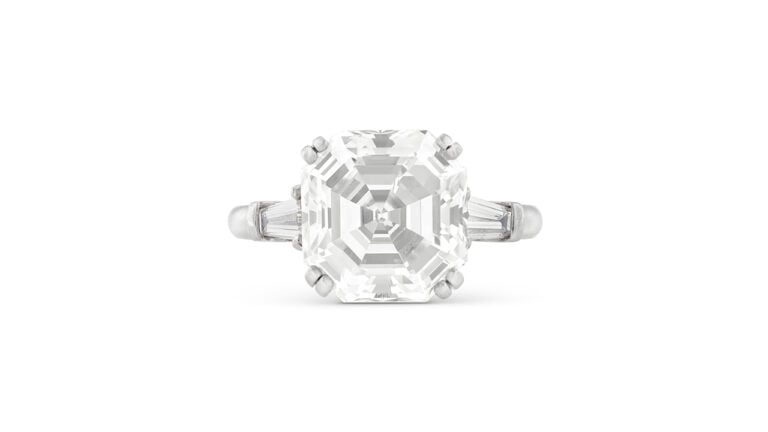
Image: Diamond rings. (Shutterstock)