 WhatsApp
 Email
Email
 Facebook
 Twitter
 LinkedIn

The latest US import tariffs will not apply to natural diamonds cut in Europe, ending the 10% duty imposed over the past six months.
The move will strengthen the diamond sector in Antwerp, which is Europe’s leading cutting hub, the Antwerp World Diamond Centre (AWDC) said last week. Belgium exported $2.1 billion worth of polished diamonds to the US in 2024, it added.
The region initially secured the exemption in September 2025, following consultations and lobbying by the AWDC and the European Commission. The reason for the exception was that the US has no domestic diamond mining or cutting industry that needed protection from European imports.
“The reasoning behind the exemption agreed in September 2025 is…still entirely valid today,” said AWDC CEO Karen Rentmeesters. “No diamonds are still being mined or cut in the US. There is therefore no domestic industry that needs to be protected from European imports. In recent months, we have once again put that message front and center.”
The exemption expired in February 2026, after the US Supreme Court ruled that President Donald Trump’s reciprocal tariffs – under the International Emergency Economic Powers Act (IEEPA) – were unlawful. The administration then introduced a new 10% general import surcharge under Section 122 of the Trade Act, which also applied to European polished diamonds.
After the general 10% US import surcharge expired on July 24, the US government implemented Section 301 of the Trade Act as the legal basis for new tariffs on certain products. The measure allows duties on countries that fail to take adequate steps to prevent imports linked to forced labor. Unlike the time-limited Section 122 authority, Section 301 has no set expiration date or maximum tariff rate, making it a potentially long-term trade measure. According to the US Trade Representative (USTR), the European Union is among the entities that currently lack sufficient safeguards, as its new forced-labor regulations will not be fully implemented until December 2027.
The AWDC maintained that natural diamonds should not be subject to this regulation, as they are already a highly regulated and controlled product. Existing systems are in place to verify diamond origin and ensure compliance with due-diligence requirements, it pointed out.
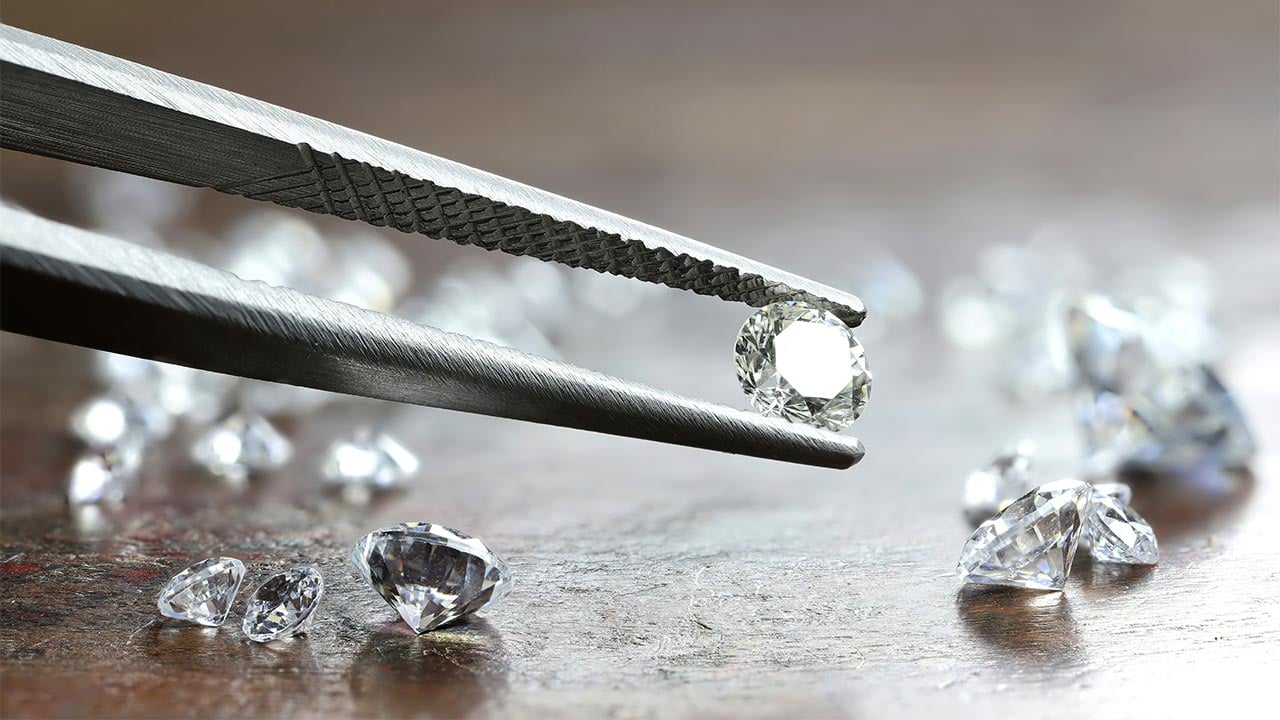
Image: Polished diamonds. (Shutterstock)